Techniques and Trends in 3D Nail Art with Acrylic Powder
Intro
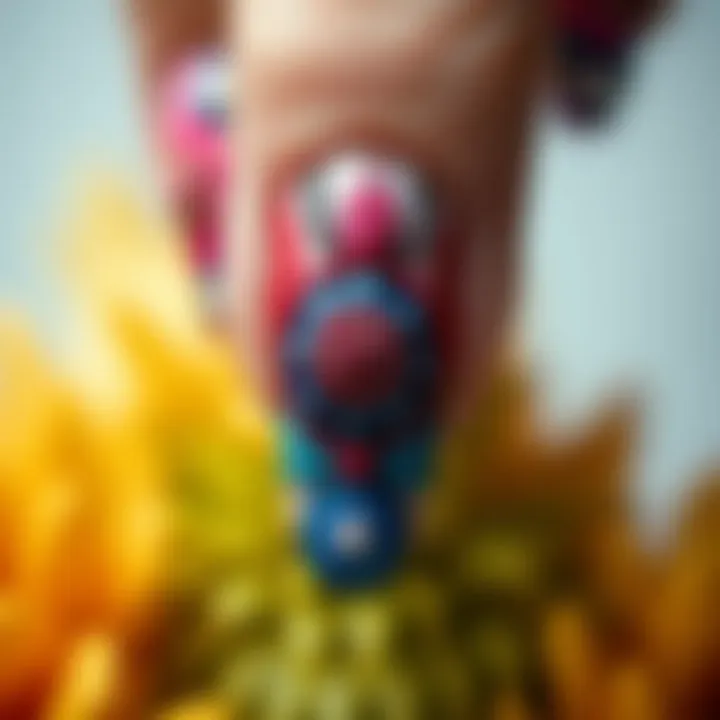
In the realm of beauty where creativity knows no bounds, 3D nail art emerges as a captivating frontier that pushes the envelope of traditional manicures. This intricate form of nail design utilizes acrylic powder, a material that can be sculpted into a stunning array of shapes and textures. The purpose here is simple yet profound: to explore not merely the aesthetic appeal, but also the techniques, trends, and their resounding implications in contemporary fashion.
As we journey through the various facets of 3D nail art, it’s crucial to grasp the significance of this technique. The potential for self-expression through nail art transcends mere decoration; it intertwines with individual identity and the ever-evolving landscape of fashion. This article aims to unravel the complexity of 3D nail art, offering valuable insights for both enthusiasts and professionals eager to refine their craft and stay ahead of the trends.
Understanding Acrylic Powder
Acrylic powder acts as the cornerstone for creating intricate 3D nail art designs. Its significance cannot be overstated because it serves as the primary medium for artistry on nails. The versatility that acrylic powders bring to nail design allows for a range of effects, from smooth finishes to elaborate three-dimensional shapes. It caters to a variety of styles and preferences that make it popular among nail artists and enthusiasts alike. To fully appreciate the breadth of possibilities with acrylic powder, it's important to delve into its composition, quality indicators, and the types available in the market.
Composition of Acrylic Powder
Chemical Structure
The chemical structure of acrylic powder generally consists of polymerization agents—most notably, polymethyl methacrylate (PMMA)—which provides durability and strength. This particular compound has a unique feature: it cures to form a hard, glossy finish that is resistant to chipping and fading, making it a popular choice for nail art. The combination of such a robust structure with the ability to be molded and shaped enhances its appeal for creating 3D nail designs.
One key characteristic is the powder's capability of bonding seamlessly with the natural nail when activated with a liquid monomer. This fusion is essential for achieving the clean, professional results that nail artists strive for. Nonetheless, while acrylic powders are favored for their robustness, improper application can lead to lifting or damage to the natural nail—a crucial factor to consider for anyone wishing to use them.
Types of Acrylic Powders
Acrylic powders can be categorized mainly into two types: transparent and colored. Transparent acrylic powders are celebrated for their ability to create a polished, glass-like effect, providing a blank canvas for further embellishments. This option is particularly popular for artists wishing to showcase intricate nail designs beneath a clear cover. Conversely, colored acrylic powders offer a spectrum of hues that can replace traditional nail polish, allowing for bold designs without additional layers.
The unique feature of colored powders is their vibrant finish, which can remain intact without the need for a topcoat. However, it is worth noting that colored powders can sometimes require more than one application to achieve the desired opacity, which may not be ideal for everyone.
Quality Indicators
Purity and Grain Size
When evaluating acrylic powder, purity and grain size are crucial indicators of quality. High purity levels ensure that the acrylic is free from additives or impurities, contributing to a smoother application and a more consistent texture. This element is vital for professionals who need reliable performance for their designs. Additionally, the grain size of the powder significantly affects its workability; finer powders are often easier to manipulate and produce a more refined finish, while coarser grains can yield structural effects in 3D work.
It’s also worth considering the source of the acrylic powder; reputable brands typically offer products with specifications and testing that reassure users about purity. This ensures that nail artists can trust the materials they are using.
Brand Reputation
Brand reputation plays a significant role in selecting acrylic powders. Renowned brands typically have a long-standing history in the beauty industry, often backed by positive reviews and endorsements from professionals. Such brands usually prioritize quality control and invest in research and development to enhance their products, making them a dependable choice for anyone looking to create stunning 3D nail art.
Beyond just product quality, a brand's reputation can also indicate the level of customer service, availability of support resources, and the overall community engagement they have established. Brands with a strong reputation often encourage skill-building by providing tutorials or recognized certification programs. This becomes an added benefit for those aiming to advance their nail art techniques.
"Choosing high-quality products, especially when it comes to something as intricate as 3D nail art, can make all the difference between a masterpiece and a mess."
The Techniques of 3D Nail Art
The realm of 3D nail art manifests an exciting fusion of creativity and technical skill. Understanding the techniques associated with this craft enables enthusiasts and professionals alike to push the boundaries of nail design. The possibilities are as expansive as the imagination itself; this section will delve into fundamental and advanced methods that can transform basic nail art into striking three-dimensional creations. By mastering these techniques, artists can enhance their portfolios and cater to a diverse range of client preferences, thereby solidifying their place in the bustling beauty industry.
Basic Application Methods
Method Overview
Diving into the basic application methods for 3D nail art, it’s crucial to comprehend how these foundations will dictate the potential for creativity. The common approach typically involves creating a base layer with acrylic powder, followed by sculpting various shapes atop that base. This method contributes significantly to the overall aesthetic, allowing a seamless transition from a mere manicure to an artistic showcase. The key characteristic of this method is its versatility; artists can generate soft, rounded forms or sharp geometric designs with relative ease. This adaptability makes it a go-to choice for both novice and seasoned technicians. However, while this method is beneficial, overuse can lead to cluttered designs, which may detract from focus points in a piece.
Necessary Tools
An effective setup hinges on having the right tools at hand. Necessary tools for basic application methods include quality acrylic brushes, a dappen dish for liquid monomer, and a nail file for refining shapes. Each of these has a unique feature that contributes to the process: for instance, a good brush should have fine tips for precision detailing but a sturdy body to handle product without wear. This balanced functionality is essential because it enhances the accuracy and overall execution of designs. Notably, poor-quality tools can hinder results, so investing in reputable brands is often a wise choice.
Advanced Techniques
3D Sculpting and Shaping
As we move on to advanced techniques, 3D sculpting and shaping become fundamental for those looking to elevate their nail art game. This technique focuses on building up acrylic powder into freeform designs, enabling artists to create elaborate structures, such as flowers, bows, or themed accessories. The key characteristic of this method is its dynamic nature; it encourages experimentation and artistic expression far beyond the basic design. Its unique feature lies in the depth it adds, allowing for shadows and highlights that play beautifully with light. However, a disadvantage might be the time investment required; perfecting the sculpting technique often takes diligent practice and an eye for detail.
Texturing Techniques
Texturing techniques offer yet another layer of sophistication to 3D nail art. This method involves adding patterns and textures to the surface of the acrylic application, which can significantly enhance visual interest. These textures can vary from subtle, wavy lines to bold, raised designs that catch the eye instantly. The important part here is that it breathes life into solid colors and shapes, adding character to the designs. It is a popular choice among artists because it provides a means to express individuality while maintaining a polished look. However, it requires precision; incorrect application could lead to designs appearing messy or unfinished.
"The right technique can transform a simple nail into a work of art that communicates personal style."
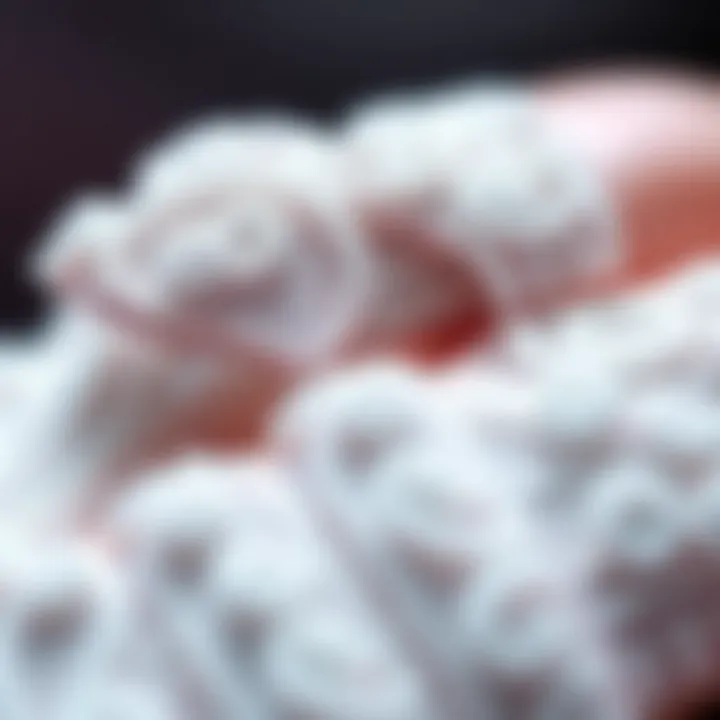
Investing time into mastering these techniques not only helps in creating stunning 3D nail art but also builds a solid foundation for all future experimentation and growth. Engaging with these methods allows artists to discover their unique voice within the vast landscape of nail design, paving the way for innovative expressions.
For further insights, resources like Wikipedia or community discussions on platforms such as Reddit can provide additional creative inspiration and support. Sharing experiences with peers enhances both learning and enjoyment in this craft.
Creative Ideas for 3D Nail Art
The world of 3D nail art using acrylic powder is not just a realm of technical precision but also one of boundless creativity. This section will dive into a variety of imaginative ideas that can inspire artists and enthusiasts alike. Considerations such as seasonal themes and cultural motifs play significant roles in shaping these designs, showcasing how art can reflect environments and backgrounds. The exploration of creative ideas allows for personal expression and adaptation to current trends, emphasizing both individuality and connection to larger narratives.
Seasonal Themes
Spring Inspirations
Spring carries a sense of renewal and brightness, making it an ideal backdrop for 3D nail art designs. The very essence of spring is captured through motifs of blooming flowers and vibrant colors. Invoking images of fresh starts, these designs are often characterized by pastel colors and floral sculptures. Incorporating elements like butterflies or raindrops can enhance the overall spring aesthetic.
One might favor spring inspirations because they resonate with a time of celebration and rejuvenation, perfect for social gatherings or festive events. Additionally, these designs allow artists to explore delicate shaping and blending techniques with acrylic powders, fostering intricate and beautiful results. However, care must be taken to avoid overly complicated designs that might detract from the simplicity and elegance typically associated with spring.
Autumn Aesthetics
As the leaves transform into a spectrum of warm hues, autumn provides a rich palette for nail art. The earthy tones—think oranges, deep reds, and warm yellows—create stunning backgrounds for 3D designs that evoke the spirit of the season. Traditional symbols like pumpkins, acorns, and falling leaves can easily be incorporated into intricate nail art.
Autumn aesthetics bring warmth and a cozy feel, often celebrated at harvest festivities and family gatherings. Like spring, these designs allow for unique artistic expression. However, the risk here lies in making designs too complex, which can overshadow the natural beauty of seasonal colors. Striking the right balance between detail and simplicity is key.
Cultural Inspirations
Traditional Motifs
Drawing inspiration from various cultures offers a fascinating exploration of traditional motifs that can enhance 3D nail artistry. Cultural patterns, whether from indigenous art or global folklore, can manifest through the creative use of acrylic powders. This methodology not only introduces a narrative element but also fosters appreciation for unique artistic expressions from around the world.
Traditional motifs can be rich in symbolism and depth, often telling stories of heritage and family. The detailed techniques required for such motifs can elevate the nail art, as artists learn to manipulate acrylic powders to form intricate patterns. Nevertheless, sensitivity is critical; understanding the history and significance of these motifs before crafting them ensures respectful representation.
Global Trends
Global trends in nail art reflect an ever-evolving tapestry of styles. Observing popular trends from different regions can provide fresh ideas and directions for 3D nail art. For example, Japanese nail art often incorporates whimsical designs and an abundance of detail, while European styles may lean towards minimalism or elegance.
Embracing global trends means artists can appeal to diverse audiences and adapt their styles accordingly. The eclectic nature of such inspirations can make 3D nail art a global conversation. However, with such variety comes the challenge of maintaining a coherent personal style amidst the myriad influences.
"Creativity is contagious, pass it on." — Albert Einstein
These creative ideas for 3D nail art not only highlight the versatility of acrylic powder but also impact the contemporary fashion landscape, making it crucial for artists and enthusiasts to adapt and innovate continually. By merging personal stories with broader themes, the artistry of 3D nail design becomes an avenue for both expression and celebration.
Essential Tools for 3D Nail Art
Creating stunning 3D nail art requires not just skill but the right set of tools. Without the appropriate instruments, even the most talented artist might struggle to achieve their vision. This section explores the essential tools that every 3D nail artist should have, with a focus on their specific elements, benefits, and considerations. A well-informed selection can elevate an ordinary nail design into a work of art.
Must-Have Tools
Brush Selection
Choosing the right brushes is fundamental for any nail technician. The brushes come in various shapes and sizes, each designed for specific tasks. A common favorite among artists is the acrylic brush, which typically has a long, tapered shape. This characteristic helps in both application and manipulation of the acrylic powder. Artists favor these brushes not just for their versatility but also for the control they provide when sculpting intricate designs.
For example, a size #8 acrylic brush can discharge enough product without overwhelming the nail, allowing for intricate details without risking clumpy application. However, it requires some practice to master the art of controlling this tool, and beginners might find it a bit intimidating.
On the other hand, a detail brush is invaluable for fine lines and adding texture. The fine tip allows you to create delicate designs and intricate detailing, which highlights the three-dimensional aspect of nail art. These brushes may be less versatile than their larger counterparts but provide the precision that makes detailed designs pop.
Other Accessories
Accessories play a vital role in enhancing the nail art experience. Items such as dotting tools, sponges, and nail forms contribute significantly to the art development process. A dotting tool helps in creating dots of various sizes, making it easy to apply designs like polka dots or small flowers, which are essential for a variety of 3D designs.
Moreover, nail forms support sculpting 3D masterpieces without having to commit to the design permanently. They also enable the artist to craft a perfect nail shape before the acrylic powder even touches the nail. These accessories are often overlooked but can make a substantial difference in the ease and quality of the work.
Maintenance of Tools
Proper care of tools is just as crucial as selecting them. Taking good care of your brushes and accessories ensures that they perform optimally and last longer, which ultimately saves money and enhances the quality of nail art.
Care for Brushes
Brushing off particles between uses is only the tip of the iceberg regarding care for brushes. Using a gentle soap mixed with lukewarm water is often recommended to clean brushes thoroughly, ensuring that acrylic residues don’t compromise future applications.

The key characteristic of maintaining brushes is understanding the filtration of cleaning materials you use. Avoiding harsh solvents prolongs the lifespan of your brushes, allowing them to perform accurately without fraying or losing their shape. A well-maintained brush can make all the difference, providing smooth and consistent application with every use.
Cleaning Accessories
Accessories also require diligent cleaning to maintain hygiene and efficiency. For instance, sponges that collect acrylic residues need to be cleaned properly; otherwise, they can harbor bacteria, which is not great for nail health. Using a simple mixture of mild soap and warm water can ensure that the sponges return to their original state, ready for your next imaginative design.
Moreover, ensuring that any tools that come in contact with nails are cleaned regularly can prevent cross-contamination and keep your workspace sanitary. This attention to detail might seem tedious, but it leads to professional and beautiful results.
"Good tools make a good job. To create masterpieces in 3D nail art, it’s essential to have not just the skills but the right set of tools and habits to maintain them."
Common Mistakes to Avoid
When it comes to 3D nail art using acrylic powder, avoiding common pitfalls can be the difference between a masterpiece and a disappointing outcome. Mastering the art form requires attention to detail and a keen understanding of the various processes involved. Mistakes during application and finishing stages can lead to unsightly nails, and for professionals, it can impact reputation and client satisfaction. Here, we delve into notable errors and practical tips to steer clear of them, ensuring your designs not only look great but also stand the test of time.
Application Errors
Overworking the Powder
Overworking the powder is a common mishap that both novices and experienced artists sometimes face. This mistake occurs when you manipulate the acrylic powder excessively during the application phase. Essentially, it can lead to a few major issues: the integrity of the design might weaken, and the final appearance may turn uneven. One key characteristic about overworking is that it changes the powder from a workable item to a sticky mess that does not adhere well.
While it can be tempting to keep adjusting the design, doing so can undermine your efforts and ruin the aesthetic.
Overworking may lead to various disadvantages such as longer curing times and potential lifting when the nails are dried. If you find yourself in this situation, take a step back and allow the product to settle before trying to manipulate it again. Sometimes, less is more.
Incorrect Layering
Another prevalent error is incorrect layering of the acrylic. This can happen when layers are applied too thick, too thin, or without sufficient drying time in between. The key characteristic of layering is to maintain even application to achieve a smooth finish. Incorrect layering can result in unwanted bumps or uneven surfaces, which detract from the overall beauty of the art.
This mistake often occurs during the rush of a session, where excitement leads to sloppiness. What happens is that the layers may not bond properly, potentially causing issues like chips and cracks later on. To combat this, practitioners should focus on proper technique and patience—allow each layer to cure adequately before adding another. This will not only ensure a more durable finish but also enhance the design’s longevity.
Finishing Flaws
Edge Overlap
Edge overlap happens when the acrylic powder extends beyond the intended boundaries of the nail. This flaw can compromise the sleekness of your design, making the edges look unkempt. The unique feature of edge overlap is that it can be easily avoided with careful brush control and monitoring your application angles.
The issue with edge overlap is not just aesthetic; over time, it can lead to lifting of the nails. Clients may find this unsightly, and it can diminish your credibility as an artist. To prevent this, meticulous attention should be paid to the parameters of the nail. Using a smaller brush can help increase precision, ensuring clean edges without risk of overlap.
Uneven Surface
An uneven surface is yet another noteworthy mistake that can frustrate any nail technician. This issue arises when the finish does not have a smooth texture, crying out for improvement. One major characteristic about uneven surfaces is that they can break the visual harmony of a nail art design. The roughness not only looks unprofessional but can also feel uncomfortable for clients.
The unevenness usually comes from insufficient buffing or improper layering techniques. While a quick fix might seem appealing, deeper correction will often yield a more satisfactory result. The tools for smoothing the surface should always be kept in good condition. A strong filing system will mitigate this issue significantly, providing a more polished finish.
The Role of 3D Nail Art in Fashion
The importance of 3D nail art within the sphere of fashion cannot be overemphasized. As an evolving form of self-expression, it serves as an extension of personal style, allowing individuals to showcase their creativity and personality. In an age where appearances often speak louder than words, the intricacies of nail design—including the use of acrylic powder—have become a focal point in defining trends and individual aesthetics.
Influence on Style Trends
Runway Inspirations
The impact of runway inspirations on 3D nail art is compelling. High-fashion designers increasingly incorporate bold and innovative nail designs into their shows, enhancing the visual narrative of their collections. Nail artists collaborate with fashion houses to create signature looks that synchronize with the themes of the garments, showcasing an integral connection between nails and overall fashion. This melding of disciplines has made 3D nail art a beneficial element in contemporary runway shows, as it adds depth and visual interest. However, the challenge remains how these intricate designs resonate with everyday consumers, who may find some runway styles too avant-garde or impractical for daily wear.
Influencer Impact
The emergence of social media has catapulted the influence of beauty and fashion influencers on nail art trends. Influencers have a unique ability to bring 3D nail designs into the mainstream, positioning them as must-have accessories. Their platforms serve as a canvas to showcase unique styles and applications, often leading followers to adopt similar designs. This democratization effects has been a game changer in making high-end design elements accessible to the average consumer. Yet, while influencer-driven trends can swiftly elevate a technique's popularity, there's also a risk of oversaturation, which can lead to rapid obsolescence of once-cherished styles.
Cultural Significance
Symbolism in Nail Art
Nail art also holds significant cultural meanings, often reflecting deeper societal themes. Different patterns, colors, and styles can symbolize various ideologies, emotions, or identities. For example, certain colors might represent significant cultural holidays or personal milestones. Recognizing these symbols can enhance one's nail art practice by connecting designs to specific narratives or meanings. This aspect makes it a rich and beneficial choice in the broader conversation about identity and expression in fashion. However, it's important to approach cultural symbols with sensitivity, ensuring that they are used respectfully and thoughtfully.
Global Perspectives
From a global standpoint, 3D nail art is a visual language that transcends borders. Nail styles vary vastly from one culture to another, each with its own set of techniques and aesthetics. For instance, traditional Japanese nail art often showcases intricate designs that tell a story or celebrate seasonal changes. Understanding these global perspectives not only enriches the practice of nail art but also encourages an appreciation of diverse cultures within the beauty industry. However, one must be cautious when blending different cultural elements, as appropriation can arise if not handled with respect and knowledge.
"Nail art has transformed beyond mere beauty; it has become a platform for cultural expression and storytelling."
Through these lenses—style trends, influencer dynamics, cultural significance—3D nail art emerges as not just a superficial trend but rather as a vibrant platform for individual and collective expression. This potential for deeper connection with designs elevates its role significantly within the fashion landscape.
Future Trends in 3D Nail Art
Future trends in 3D nail art are shaping the way beauty enthusiasts approach their craft. As the beauty landscape evolves, it becomes increasingly significant to keep an eye on emerging technologies and practices within the nail art space. Anticipating future trends allows both professionals and amateurs to remain relevant and innovative in their designs. It is crucial to understand these trends as they influence not only personal styles but also broader fashion movements.
Technological Advancements
Smart Tools
Innovation is at the forefront with the introduction of smart tools in nail art. These devices, ranging from smart nail printers to UV lamps with built-in sensors, enhance accuracy and precision in application. A key characteristic of smart tools is their ability to automate complex tasks that were once labor-intensive. This becomes a beneficial choice for anyone looking to streamline their process and achieve flawless results.
One unique feature of smart tools is their integration with mobile applications, which allow for easier design customization and color selections. While these tools may come with a higher price tag, the benefits often outweigh the costs. They can drastically reduce the time spent on each client, improving overall productivity.
Online Learning Platforms
The rise of online learning platforms has revolutionized how people learn nail art techniques, providing a wealth of knowledge at their fingertips. These platforms offer video tutorials, live classes, and forums that foster community discussion. A notable characteristic of online learning platforms is their accessibility; anyone can join and learn from anywhere in the world.
These platforms often focus on current trends, ensuring users stay up to date with the latest innovations in 3D nail art. A unique feature of these educational resources is their interactive nature, allowing learners to engage with instructors directly. On the downside, self-discipline is essential. Without structured settings, some may find it difficult to stay committed to their learning journey.
Sustainable Practices
Eco-Friendly Products
A growing focus on sustainability is leading to a demand for eco-friendly products in the beauty industry. This shift not only benefits the environment but also appeals to a conscious consumer base that prioritizes ethical consumption. A key characteristic of eco-friendly products is their formulation, which avoids harmful chemicals commonly found in conventional nail products.
These products usually boast biodegradable materials and recycled packaging, making them a popular choice for those wishing to leave a lighter footprint. However, some may find that the range of colors and options are limited compared to traditional products, posing a challenge for those who crave variety.
Ethical Sourcing
Ethical sourcing practices in nail art materials bring attention to the conditions under which products are made. This encompasses the sourcing of raw materials, ensuring fair labor practices, and a commitment to human rights. A defining characteristic of ethical sourcing is transparency; brands that prioritize these practices often provide information about their ingredient origins.
The advantage of ethical sourcing lies in its alignment with modern consumers' values. They seek brands that not only deliver quality but also foster positive social impacts. However, ethical products might cost more, which can deter budget-conscious consumers. Yet, as awareness increases, such investments are proving worthwhile for many.
The evolution of 3D nail art is not just about creativity—it's also about responsibility and staying ahead in a rapidly changing industry.
In closing, the future of 3D nail art is bright and complex, driven by technology and a growing commitment to sustainability. Keeping abreast of these trends equips nail artists with the tools they need to thrive in both creative expression and business.
End: The Importance of Mastery in 3D Nail Art
Diving deep into the world of 3D nail art reveals a dizzying array of techniques and applications, highlighting the importance of mastering this craft for both amateurs and professionals alike. Mastering 3D nail art is not merely about creating stunning designs; it intertwines skill development, creativity, and the ever-evolving nature of beauty trends. In a realm where first impressions matter, the ability to deliver impeccable nail art can set one apart in a crowded market.
Skills for Success
Continuous Learning
Continuous learning stands as a cornerstone in mastering 3D nail art. The landscape of beauty is always shifting, and styles that were popular yesterday might fade away tomorrow. Keeping up with new techniques, materials, and trends ensures that artists stay relevant and competitive. One key characteristic of continuous learning is adaptability; nail artists who embrace new methods are often the ones who thrive.
The unique feature here is the plethora of resources available today, from online tutorials to workshops. This accessibility empowers artists at all levels to refine their skills and experiment with new approaches. One advantage of continuous learning is that it opens doors for collaboration and innovation in design, pushing personal boundaries further than ever before. However, it can be overwhelming, as not every new trend suits every artist’s style, which can lead to inconsistency in personal work unless carefully filtered for what truly resonates.
Networking in the Industry
Networking in the industry serves as a vital aspect for success in 3D nail art. Building connections can yield opportunities for collaboration, mentorship, and even job offers. A key characteristic of networking is the exchange of ideas and feedback, enriching the learning experience and encouraging growth. Establishing a strong professional network not only enhances skills but provides a support system of fellow artists who share similar challenges and triumphs.
One unique feature of robust networking is the potential for showcasing talent through influencers and beauty events. Such visibility can lead to increased clientele and elevated status within the community. However, there is a potential downside: the pressure to conform to networking norms can feel burdensome, leading some artists to shy away from initiatives that might enhance their careers.
Personal Expression Through Nail Art
Crafting Unique Designs
Crafting unique designs serves as a fundamental aspect of personal expression in the realm of nail art. Each piece becomes a canvas for self-expression, allowing artists to translate their thoughts and feelings into tangible art. The essence of crafting unique designs lies in originality; it is the spark that sets individual artists apart from the masses. This uniqueness is a beneficial trait, as clients often seek styles that reflect their personal taste which can hinge on the artist’s creativity.
A standout feature of this concept is the ability to merge traditional techniques with innovative ideas, enabling the creation of unprecedented styles that can captivate audiences. One main advantage of crafting unique designs is that they foster a sense of pride and ownership in the work, while the challenge can sometimes be the pressure of constant originality, which may lead to creative burnout.
Building a Personal Style
Building a personal style encapsulates the culmination of various skills and experiences accumulated through the journey in nail art. When artists invest time in developing their unique aesthetic, they establish themselves in a crowded market. A key characteristic of this is cohesion; strength in style emerges when designs are consistently recognizable as an artist's work.
The unique feature about building a personal style is that it often attracts a specific clientele who resonate with that aesthetic. Artists can leverage social media to showcase their work and attract like-minded customers. However, a downside could be the potential complication of being pigeonholed into one style, which can stifle creative exploration and growth in the long run.
In summary, the mastery of 3D nail art transcends beyond just the application; it encapsulates a journey of continuous learning, networking, personal expression, and style development. As the beauty industry continues to evolve, those who invest in honing these elements will find themselves not just as nail artists, but as innovators shaping the future of nail art.