Exploring Sponge Hair Curlers: Techniques and Tips


Intro
Sponge hair curlers have carved a niche in hairstyling, offering an intriguing blend of effectiveness and ease. As simple as they are in design, these tools can work wonders for all types of hair, making them an appealing choice not only for seasoned stylists but also for beginners.
Tracing back their lineage, sponge curlers may not be the flashiest styling tool on the block, but they bring some substantial perks to the table. Unlike hot styling tools, which can fry your tresses, sponge curlers use a gentle method to create curls. This makes them particularly appealing to those who cherish the health of their hair.
The mechanics are straightforward. By simply wrapping sections of hair around a sponge roller, you can achieve an array of curls, from beachy waves to tighter ringlets. This adaptability has fueled their popularity across diverse demographics, from young trendy influencers to seasoned professionals.
In this guide, we’ll explore the various facets of sponge hair curlers—from time-tested techniques to vibrant styles that are trending this season. So whether you're looking to mix things up or simply want to master the art of curling, there’s something here for everyone.
Preamble to Sponge Hair Curlers
Sponge hair curlers have gained traction among fashion enthusiasts and everyday users alike, thanks largely to their user-friendly nature and effectiveness in achieving beautiful curls. These versatile tools offer a gentler approach to hairstyling compared to traditional heat-based methods, which can often lead to damage. With the increasing awareness about hair care, spong curlers have carved a niche, appealing particularly to those who wish to embrace the beauty of curls without the trade-off of hair health.
These curlers are made from light, soft materials that create defined curls and waves. They work by being wrapped around sections of damp hair, and as the hair dries, the shape of the curler helps form the curls. The beauty of sponge curlers lies not just in their performance but also in their simplicity, making them accessible for a broad audience ranging from seasoned stylists to those just starting their hair styling adventure.
Notably, sponge curlers come in various sizes and shapes, which allows for diverse styling options. Large curlers create loose waves perfect for a beachy look, while small ones can provide tighter and more defined curls.
One of the important considerations with sponge curlers is the need for proper hair preparation. For best results, hair should be slightly damp and possibly treated with styling products that enhance curl definition. This small detail can make a significant difference in the final results.
Using these curlers not only helps achieve desired styles but also encourages a more health-conscious approach to hairstyling. No heat means less risk of brittle hair and split ends, a win-win for those looking to maintain their locks' integrity.
In summary, sponge hair curlers offer a simple yet effective way to style hair while caring for its health. Their gentle nature and versatility make them indispensable tools in the beauty arsenal of anyone looking to create stunning hairstyles without the worry of damage.
"Sponge curlers serve not only as tools for styling but are also symbols of a shift towards healthier hair care practices."
The exploration of these curlers will provide insights into their historical context, functionality, and techniques, making them an excellent focus for anyone interested in enhancing their hairstyling repertoire.
History of Hair Curling Methods
Understanding the history of hair curling methods provides insight into how cultures have expressed beauty through various styles across time. The significance of these historical practices not only lies in the techniques themselves but also reflects the societal trends and innovations related to hair care. The methods we utilize today, including sponge hair curlers, have roots that intertwine with these ancient practices and evolving technologies. By piecing together the puzzle of hair curling history, one can clearly see how beauty standards and hair styling have changed, while also navigating the path of innovation that has led to contemporary tools and techniques.
Ancient Practices
In ancient civilizations, curling hair was often considered a mark of beauty and status. For instance, Ancient Egyptians would use a combination of heated metal rods and special oils to achieve curls. This method showed the level of sophistication and the importance placed on hair aesthetics in society. Similarly, in Ancient Greece, women adorned their hair with curls to signify femininity and charm. The Greeks utilized various implements, often made of wood or bronze, to create curls that would accentuate their hairstyles.
Throughout various cultures, hair curling techniques were not just about aesthetics; they also held cultural significance and were sometimes intertwined with rituals and traditions. For example, in some African cultures, intricate hairstyles that included curls were symbols of heritage and identity. The materials varied – from animal fat used in the Middle Ages for creating curls to clay used by tribal societies.
These ancient practices laid the foundation for the myriad of ways people still curl their hair today, emphasizing that the pursuit of curly hair is a timeless endeavor.
Evolution to Modern Techniques
As societies evolved, so did the techniques used for curling hair. The Renaissance saw the introduction of more sophisticated tools, like heated curling irons that started to appear in France. Fast forward to the 20th century, when fashion magazines began documenting and shaping popular hairstyles, curling methods became more standardized.
With the introduction of sponge and foam curlers, which took root in the mid-20th century, the approach to styling changed drastically. Unlike the heated tools, sponge curlers provided a gentler way to create curls without the damaging effects of heat. People found these tools particularly appealing, as they offered a more comfortable experience while sleeping, and could be used overnight for effortless curls by morning. This shift not only emphasized health in hair care but also supported a more laid-back lifestyle in beauty routines.
As technology advanced, the variety of curling devices grew, bringing us to the present day where sponge hair curlers have become a staple in many households. They serve as a reminder of the evolution of hair curling methods, showing our collective journey from rigid structures to flexible, user-friendly solutions that cater to various hair types and personal preferences.
Understanding Sponge Hair Curlers
In the realm of hair styling, sponge curlers have carved out a unique niche that marries creativity with practicality. Understanding sponge hair curlers is not merely about knowing how they are used or which styles can be created with them; it's about recognizing the profound impact they can have on one’s overall hair health and appearance. The benefits these tools offer can be substantial, especially for individuals seeking a gentle yet effective method of achieving curls without subjecting their hair to high-heat damage.
The significance of sponge curlers lies in their design, which is intended to work in harmony with the natural texture of the hair. Unlike traditional heated tools that can leave a trail of frizz and dryness, sponge curlers encourage a gentler process. They rely on the simple concept of moisture retention and air circulation, which allows curls to form naturally while minimizing breakage. Thus, the importance of sponge hair curlers extends beyond mere aesthetics; they advocate for healthier hair practices in today's fast-paced world of styling.
Furthermore, understanding sponge curlers involves acknowledging their versatility and adaptability to different hair types. From fine and straight strands to thick, textured locks, there is a sponge curler method suitable for everyone. This adaptability not only makes these tools accessible to a broad audience but also makes it easier for hairstylists and individuals alike to customize their curling techniques according to specific preferences.
"Sponge curlers empower users to express their style without compromising hair health, effectively blending design with functionality."
The aesthetics that sponge curlers can provide are also noteworthy. Those compared to conventional curling methods often produce softer, beachy waves—an effortless look that so many individuals seek. By considering the material composition and design variations of sponge curlers, we can appreciate the nuances that contribute to their popularity in the styling scene. They serve not only as tools but as enablers of creative expression, allowing individuals to embrace their unique hairstyling choices.
Material Composition
The material composition of sponge hair curlers plays a vital role in their effectiveness and user experience. Most commonly, these curlers are made from soft, porous materials that enable them to absorb moisture. This characteristic is crucial since moisture is a key component in forming lasting curls. Many sponge curlers feature a high-density foam material, which is lightweight and easy to manipulate, making them practical for everyday use.
In addition to basic foam, some modern variations integrate innovative materials designed to enhance performance. For example, curlers may contain infused properties aimed at smoothing hair cuticles and reducing frizz during the curling process. The right material composition can improve the curl's longevity and provide a smooth, shiny finish to the hair.
Moreover, after using sponge curlers, a user might notice reduced tangles and overall better manageability. This can be attributed to the soft nature of the material which gently supports hair without grabbing or pulling it. The contrast with harsher materials used in conventional tools makes sponge hair curlers particularly appealing to those cautious about hair damage.
Design Variations
The design variations of sponge hair curlers significantly contribute to their adaptability and ease of use. From large, donut-shaped curlers designed to create voluminous waves to smaller, tapered designs for tight spirals, the breadth of options caters to diverse styling needs. Each design variation serves distinct functions, allowing users to tailor their look according to personal preference.
- Donut-shaped Sponge Curlers: These are widely favored for achieving soft, bouncy curls. Their circular design allows for easy wrapping of hair, leading to that coveted, fuller look while minimizing heat exposure.
- Short and Thick Curlers: Ideal for individuals with shorter hair, these curlers provide the flexibility to create tight coils or waves. Their design ensures that even the shortest strands can achieve beautiful curls without hassle.
- Multi-sized Sets: Some brands offer sets that include curlers of varying diameters, giving users the freedom to mix and match designs to create a luscious, layered effect in their curls.
Additionally, the colors and patterns of sponge curlers can also be a point of personal preference. While functionality is key, aesthetics certainly play a role especially among younger users who gravitate towards vibrant and trendy options.
In summary, the material composition and design variations not only enhance the effectiveness of sponge curlers but also underscore their significance as a versatile tool for curling enthusiasts. Understanding these aspects ensures that users can pick the right curlers that fulfill both their styling needs and their commitment to maintaining hair health.
How Sponge Hair Curlers Work
Understanding how sponge hair curlers work is fundamental to fully appreciate their benefits and the styles they can create. At the heart of these curlers’ appeal lies their unique ability to form curls without the damage often associated with heated styling tools. With sponge curlers, one can achieve bouncy, natural-looking curls with a gentler approach to hair care.
Mechanics of Curl Formation
The mechanics behind curl formation with sponge curlers involve a simple yet effective process. As hair is wrapped around the soft, porous structure of the sponge, it retains moisture and shape. Unlike traditional curling methods that apply heat, sponge curlers work through the principles of tension and time.
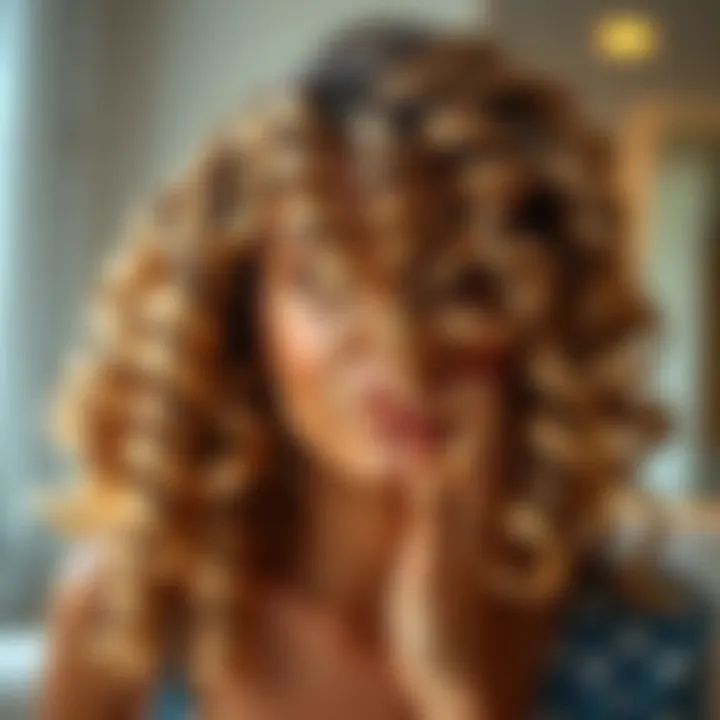
When you wrap a section of hair around a sponge curler, the hair is stretched tightly and held in place. This creates an even distribution of pressure on the hair strands, allowing them to create and hold the desired shape.
As the moisture in the hair is slowly absorbed by the sponge, it assists in locking in the curl formation without needing excessive heat. The longer you let the hair sit, the tighter and more defined the curls can become. Moreover, because sponge curlers allow for air circulation, they support healthier hair that doesn’t suffer from the overheating that can lead to split ends or breakage.
"Gentle on the hair, yet potent in style; sponge curlers strike the right balance for those looking to tidy up their tresses without the heat."
Temperature and Hair Health
When discussing temperature and hair health, it’s crucial to highlight the stark contrast between sponge curlers and heated styling tools. High temperatures used in traditional curling tools can lead to dehydration of hair fibers, causing brittleness over time. The heat can strip moisture, leaving hair looking lackluster and prone to damage.
In contrast, sponge curlers offer a heat-free alternative that prioritizes hair integrity. By using the sponge’s natural absorbent properties, the curls can set without exposing the hair to harmful heat, making it a preferable choice for individuals concerned about their hair’s long-term health. This method is particularly significant for those with delicate or fine hair types, where the risk of heat damage is more pronounced.
Some key points to keep in mind regarding temperature and hair health when using sponge curlers include:
- They help in maintaining moisture levels, keeping hair nourished.
- Curls formed without heat often have a more natural appearance.
- Extended use of sponge curlers can result in healthier hair over time, reducing the need for frequent trims due to damage.
With their simple mechanics and the advantage they offer for hair health, sponge curlers represent a significant tool for anyone seeking to enhance their styling regimen responsibly. Understanding these processes lays the groundwork for effectively employing sponge curlers in everyday routines, thus making them not just a passing trend but an essential part of modern hairstyling.
Advantages of Using Sponge Hair Curlers
When it comes to hair styling, the tools you choose can make all the difference. Sponge hair curlers stand out in the crowd for several compelling reasons. Their unique design and method of use offer distinct advantages over other curling tools, making them an appealing option for a wide variety of users. In this section, we will explore these benefits in detail, shedding light on why sponge curlers deserve a prominent place in your styling routine.
Gentler on Hair
One of the most significant advantages of sponge curlers is that they tend to be gentler on the hair compared to heated styling tools. Heat can be a real troublemaker, leading to damage, dryness, and breakage over time. Sponge curlers, on the other hand, rely on a non-damaging method of curling hair, which preserves the natural moisture in the strands.
Using sponge curlers can reduce the risk of frizz and split ends, allowing users to maintain healthier hair. Unlike traditional curling irons or heated rollers that can leave hair looking dull and lifeless, sponge curlers provide a more natural finish—perfect for those who prefer a soft, bouncy curl.
"Using sponge curlers means saying goodbye to heat damage! Their soft texture just hugs your hair and leaves it looking vibrant and healthy."
Versatile Styling Options
Sponge hair curlers offer a fantastic array of styling options. Whether someone wants tight, defined curls or loose, beachy waves, these tools can deliver a wide range of looks. The versatility lies not just in the way they curl hair, but also in how they can be styled while being worn.
- Different Sizes: Sponge curlers come in various sizes, catering to different curl types and styles. Larger curlers create voluminous waves, while smaller ones yield tighter curls.
- Day and Night Styles: They can be worn overnight for beautifully set curls by morning or used during the day for a quick styling boost.
- Accessory Pairing: The flexibility of sponge curlers allows them to be used in conjunction with other hair accessories, like ribbons or clips, enhancing creative flair.
Thus, for fashion designers and stylists, sponge curlers can become a canvas for artistic hair creations and adaptable styles.
Ease of Use
When it comes to hair tools, convenience matters. Sponge curlers offer a user-friendly experience that saves time and minimizes fuss. Unlike complicated gadgets with intimidating setups, sponge curlers are straightforward in application.
To curl hair with sponge curlers:
- Start with damp hair: A little moisture helps to set curls while reducing friction on the hair.
- Choose the right size of curler: Pick based on the desired curl tightness.
- Roll and secure: Simply twist the hair around the curler and secure it in place. No need for complicated techniques.
This simplicity makes sponge curlers an excellent choice for both novice users and professional stylists alike. On top of this ease, they offer a mess-free experience—no cords, no heat, and relatively few styling tools needed.
The advantages of sponge hair curlers are clear, making them a worthy investment for anyone looking to enhance their hair styling repertoire. Whether you’re a seasoned stylist or just starting, incorporating sponge curlers into your routine will bring a multitude of benefits to your hair care and styling practices.
Popular Techniques for Curling Hair with Sponges
Utilizing sponge hair curlers offers both creativity and practicality, giving one the ability to achieve beautiful curls without harsh heat treatment. These techniques resonate with those desiring versatility in their styling routine.
The techniques discussed here represent a bridge between ease of use and exceptional results. From fashion designers to bloggers, anyone with an eye for style can benefit from mastering these methods. With the right technique, sponge curlers can enhance any look—from casual waves to more refined, elegant styles.
The Twisting Method
The twisting method is one of the most straightforward yet effective ways to create curls with sponge curlers. This technique allows individuals to incorporate twist-like movements to manipulate hair into curls, making it ideal for those who favor a more organic, effortless look.
To perform this technique:
- Start with clean, slightly damp hair. Applying a light styling mousse can add hold; just be careful not to weigh it down.
- Section the hair into manageable parts—aim for smaller sections if you want tighter curls.
- Take a section of hair, place it against the sponge curler, and begin twisting it around the curler. Ensure that the hair is wrapped evenly.
- Once you have twisted all the way down, keep the curler secured in place with the attached band or clip, if available.
- Allow the hair to set for a few hours or overnight for best results before unwrapping the curlers.
This method not only creates curls but can also suit various hair types and lengths, proving its versatility.
The Rolling Technique
Another robust method employed with sponge curlers is the rolling technique, which yields curls that can range from loose to more defined, depending on the size of the sponge. The rolling technique is particularly favored for its ability to deliver a smooth finish with minimal frizz, maintaining hair health.
Here's how to efficiently perform the rolling technique:
- Similar to the twisting approach, start with slightly damp hair. Applying a bit of leave-in conditioner might be useful to provide the hair with additional nourishment.
- Section off the hair, opting for slightly larger sections if broad curls are desired. Smaller sections will yield tighter curls.
- Position the sponge curler at the end of the section of hair and begin rolling it upwards toward the scalp. Make sure to keep the hair taut as you roll.
- Secure the curler in place to prevent it from slipping as your hair dries. Again, leaving the curlers in for several hours or overnight is ideal.
This technique can produce a nice bounce and volume, particularly helpful for individuals looking to add body to fine hair types.
By utilizing these techniques effectively, one can discover a world of style possibilities all while looking after the health of their hair.
Best Practices for Sponge Curler Application
Using sponge curlers can be a game-changer for those seeking effortless waves and curls, yet the key to achieving the best results lies in applying them correctly. Understanding and following best practices enhances not only the effectiveness of curl formation but the health of your hair as well. This section delves deep into the strategies that will help you maximize your styling experience.
Hair Preparation
Before working with sponge curlers, proper preparation is essential. Think of your hair as a canvas: just as an artist prepares their surface before painting, your hair needs a solid foundation for the curls to adhere well. Start by washing your hair with a suitable shampoo and conditioner. This will remove any residue that could affect styling and ensure your hair is at its cleanest.
After washing, gently towel-dry your hair to eliminate excess water. Rubbing your hair vigorously can create frizz. Instead, pat it dry to maintain the texture. Following this, apply a leave-in conditioner or a light styling product. This will help in keeping your hair hydrated and will support the curls throughout the day.

"Preparation is half the battle in hair styling."
Sectioning the Hair
Once your hair is prepped, sectioning it properly becomes the next step. Proper sectioning not only simplifies the curling process but ensures that each curl receives equal attention.
Start by dividing your hair into manageable sections. Depending on the thickness and length of your hair, you may find it helpful to create four to six sections. Use clips to hold sections away from the part you’re currently styling. This prevents the hair from unwinding and getting tangled. Aim for uniform sections, about an inch wide. If sections are too thick, the sponge may struggle to create a defined curl, leading to disappointing results.
Securing the Curls
After curling is complete, the way you secure the curls can significantly influence their longevity. For sponge curlers, gently press or roll the hair into the sponge without twisting it too tightly. Once in place, ensure it’s secured but not overly tight, as this can pull at your roots and potentially cause damage. Use clips or hair ties that won’t snag on the hair.
Letting the curls set for a good amount of time is crucial. Depending on your hair texture, this could range from a few hours to overnight, especially if you want long-lasting curls. Once you’re ready to remove the curlers, do so gently to prevent breaking the curls. If your curls feel too tight, lightly run your fingers through them to loosen and soften them.
By following these best practices, you will not only achieve beautiful curls but also maintain the health and integrity of your hair. This thoughtful approach to sponge curler application is what sets apart a good hair day from a great hair day.
Sponge Curlers and Hair Types
When it comes to achieving perfect curls, understanding the relationship between sponge curlers and different hair types can make all the difference. Sponge curlers are celebrated for their versatility and gentle approach to styling, which can be particularly beneficial for a variety of hair textures. This section aims to shed some light on which hair types are best suited for sponge curlers, as well as the unique considerations to keep in mind for permed and textured hair.
Suitable Hair Types
Sponge curlers shine in their adaptability to various hair types, catering well to straight, wavy, and even curly hair. One of the standout characteristics of sponge curlers is their ability to create curls without excessive heat, which significantly reduces the risk of damage. Therefore, they are ideal for:
- Straight Hair: For those with naturally straight locks, sponge curlers can introduce soft waves or bouncy curls without needing to resort to heated tools. Straight hair often holds curl well, and the sponge provides a cushion that helps maintain curl longevity without the fuss.
- Wavy Hair: If your hair already has a bit of wave to it, sponge curlers can amplify that texture beautifully. They can be used to enhance natural waves, helping to define and accentuate the curls, giving that sought-after beachy look.
- Curly Hair: For individuals with curly hair, sponge curlers are also an option, especially when looking for a different style. They can create looser, more relaxed curls, while minimizing breakage and frizz, which often comes from heat styling.
It’s important to note that the effectiveness of sponge curlers can also depend on the length and thickness of the hair. Longer or denser hair might require larger sponges or more time to ensure that curls form properly.
Permed and Textured Hair Considerations
Hair that has been permed or has a distinctive texture presents its own unique set of considerations when using sponge curlers. While such hair types can benefit from the gentleness of sponge curlers, achieving the desired curl pattern requires some care:
- Understanding Your Perm Type: Different perm styles tend to react variably to sponge curlers. If one has tight, spiral perms, using larger sponge rollers can yield a soft, refreshed look by softening the existing curls without flattening them.
- Moisture Level: Textured or permed hair often requires extra hydration to maintain bounce and reduce frizz. Before applying sponge curlers, ensure that the hair is not overly wet but slightly damp. This helps the curlers grip the hair effectively while preserving that moisture balance.
- Avoiding Over-processing: For those with textured hair, it's essential not to overdo the process by leaving curlers in for too long. Beware of the potential of developing an unwanted frizz if the hair is left too long while shaped in a sponge. Instead, experiment with time, and start with shorter durations to determine the ideal curl.
In summary, sponge curlers offer a flexible and hair-friendly alternative suitable for a variety of hair types. Understanding both the benefits and nuances involved can help you make informed decisions that elevate your styling game. For a deeper dive into hair curlers, including sponge curlers’ role in hair care routines, feel free to visit resources such as Wikipedia or Britannica for more insights.
Maintaining and Caring for Sponge Hair Curlers
When it comes to styling tools, sponge hair curlers may seem like a simple accessory, but proper maintenance and care are essential to ensure they remain effective and sanitary. Just as a painter wouldn’t use a dirty brush, relying on poorly maintained curlers can compromise both the quality of your curls and the health of your hair. In this section, we’ll unpack the importance of maintaining sponge curlers, share effective cleaning methods, and offer practical storage tips to extend their lifespan.
Cleaning Methods
Cleaning your sponge curlers might not be the most glamorous task, but it’s crucial in preventing product build-up and bacteria accumulation. Over time, residues from hair products or oils can seep into the material, impacting the performance and potentially harming your strands. Here are a few effective methods to keep your curlers in tip-top shape:
- Gentle Washing: Use warm water mixed with a mild detergent to soak the curlers. Gently rub the surface with your fingers to dislodge any trapped residue. Rinse thoroughly afterward to avoid any detergent traces.
- Disinfecting: After washing, you can spray your curlers with a mixture of water and vinegar. This not only helps eliminate lingering odors but also acts as a disinfectant. Let them sit for a few minutes before rinsing again.
- Drying: Always ensure the curlers are completely dry before storing them. You can air-dry them in a well-ventilated area or use a soft cloth to pat them dry gently.
Regular cleaning not only maintains the curlers but also promotes healthier hair by reducing the risk of product build-up.
Storage Tips
Storing your sponge curlers correctly can make a world of difference in their longevity and effectiveness. Here’s how to do it right:
- Keep Them in a Dry Place: Moisture can lead to mold growth, so opt for a cool, dry spot to store your curlers. Avoid areas like bathrooms where humidity tends to linger.
- Avoid Crushing: When placing your curlers away, do not stack them too tightly. This can cause them to lose their shape. Instead, consider using a designated storage box or pouch that keeps them from being squished.
- Organize Properly: If you have multiple curlers, use dividers or separate compartments within a box. This not only protects their shape but also ensures you can find the right size quickly when needed.
Maintaining and caring for your sponge curlers is more than just a chore; it’s about fostering a regimen that ensures your styling tools are always ready when you need them. A little bit of care goes a long way in enhancing your curl experience and ultimately your hairstyle.
Cultural Trends Surrounding Hair Curling
Cultural trends play a significant role in shaping how individuals perceive and utilize hair curling methods. In this article, we delve into how sponge hair curlers are influenced by broader cultural shifts, especially in terms of aesthetics, the representation of beauty, and hair care rituals. The significance of understanding these trends lies not only in witnessing the cyclical nature of fashion but also in appreciating how social values are reflected in our hairstyling choices.
Influence of Celebrity Styles
One cannot overlook the powerful impact of celebrity culture when discussing hair curling techniques. Celebrities often serve as trendsetters; their hairstyles are scrutinized, emulated, and transformed into beauty benchmarks. Take for instance the effortless waves often seen on red carpets or in magazine spreads. Stars like Zendaya and Ariana Grande frequently showcase styles created with tools like sponge curlers, elevating their status in the beauty realm. Their influence filters down to everyday individuals, who through mere social media feeds might find themselves inspired by these glamorous looks.
Moreover, when a celebrity endorses a particular styling method, such as sponge hair curlers, it can create a domino effect on consumer behavior. Followers might rush to purchase these tools, hoping to reproduce the same effortless flair. This link between celebrity endorsement and public buying habits highlights a crucial interplay between culture and commerce, illustrating how trends are birthed and sustained.
Social Media Impact
In today’s digital age, social media serves as a powerful catalyst for changes in hairstyling trends. Platforms like Instagram, TikTok, and Pinterest have transformed how we discover and share hair styling techniques. These platforms have turned casual consumers into influencers, creating a space where anyone can showcase their hair creations using sponge curlers. The hashtag #spongecurlers has seen thousands of posts, enabling users to not only share their results but also exchange tips and tricks for optimal results.
Sometimes, it feels like there’s a trampoline effect in the way trends bounce from one user to another. People are inspired not just by professional hairstylists but also by everyday individuals sharing their unique styles. The result is a melting pot of creativity, where diverse hair types and textures take center stage. This inclusivity fosters a broader acceptance of various hairstyles across different demographics, showcasing a wide array of sponge curler techniques.
"The beauty of social media is that it transforms everyone into a potential trendsetter, breaking barriers of accessibility to hair styling tips."
Furthermore, through platforms, tutorials and DYI videos have become readily accessible, empowering users to experiment with sponge curlers without a salon visit. This easy access to information underscores the shift in how hair trends circulate in a digital-first world, promoting an understanding that these techniques are attainable, regardless of one’s hair expertise.
Thus, as we navigate through the current cultural landscape surrounding hair curling, it’s crucial to recognize how celebrity styles and social media dramatically influence our choices, preferences, and ultimately, the evolution of sponge hair curling techniques. This intertwining dance between culture, technology, and beauty continues to shape the hair industry in profound ways.
Comparative Analysis of Curling Tools
The world of hair styling is a vibrant tapestry woven from various techniques and tools, each with their unique features, benefits, and target audiences. The comparative analysis of these curling tools, including sponge curlers, heated tools, and traditional rollers, is key for anyone looking to elevate their hairstyling skills. By understanding the distinctions among these options, users can make informed choices that suit their hair types, styling needs, and personal preferences.
When diving into the merits of different curling tools, several specific elements emerge. First, the ease of use is paramount. While some tools may provide stunning results, if they take a degree of skill that is beyond what the average user can muster, they may not be the best fit. Then, there are considerations like safety and hair health. Heated tools, while popular for their rapid results, can subject hair to damaging temperatures, ultimately leading to split ends or dryness. On the other hand, sponge curlers offer a gentler method that helps maintain the integrity of the hair.
Furthermore, the longevity of the style is another factor worth consideration. How long can users expect their curls to last after styling? Sponge curlers can often create softer, more relaxed curls that may not hold up as long as the structured curls achieved through heated methods or traditional rollers. These differences matter for those who prefer a look that stands the test of time.
Ultimately, engaging with this comparative analysis helps demystify the advantages and disadvantages of each curling method, creating a pathway towards healthier and more effective hair styling.
Sponge Curlers vs. Heated Tools
When considering sponge curlers and heated tools, the divergence in their application and results cannot be overlooked. Sponge curlers, often made from soft foam, rely on the mechanical method of wrapping hair around the curler to encourage curl formation. This process generally promotes healthier hair since it avoids direct heat exposure. For individuals concerned about damage, sponge curlers may serve as the more prudent option.
On the contrary, heated tools, such as curling irons and wands, deliver instant results, allowing users to achieve tight curls or waves in a matter of minutes. However, the trade-off is significant; the high temperatures can lead to overheating the hair fibers, causing potential long-term damage. Users need to weigh the immediate gratification against the risk of harmed hair.
In addition to hair health, styling versatility also comes into play. Heated tools typically offer a variety of temperature settings and styles, allowing ample innovation. In contrast, sponge curlers produce softer, more natural curls ideal for casual, day-to-day looks. This diverts back to personal preference, helping a user to determine which tool better aligns with their aesthetic goals and the amount of time they wish to invest in styling.
Sponge Curlers vs. Traditional Rollers
Comparing sponge curlers to traditional rollers reveals notable differences in technique and comfort. Traditional rollers have been a staple for decades, and while they deliver effective curls, they often require a certain degree of dexterity to apply correctly. Typically, they must be secured with clips or pins, making the overall experience somewhat more involved than sponge curlers.
Sponge curlers, in contrast, easily wrap hair without the need for additional securing aids. This might be particularly appealing for those new to curling methods or those who might struggle with dexterity. Additionally, sponge curlers allow for a more comfortable sleep experience. Many individuals choose to wear these curlers overnight, as their soft texture doesn't dig into the scalp, making it feasible for extended use.
However, traditional rollers tend to provide more firm curls and waves. The rigidity of the material allows for a stronger hold, achieving a more dramatic styling outcome when desired. It’s important for users to consider how much curl and volume they want, and match their choice of tool accordingly.
Both options have their right place within a stylist's toolkit, but knowing when to use which can dictate the outcome of a styling session.
Styling Ideas with Sponge Curlers
Sponge hair curlers are not just tools for making curls; they can significantly elevate your styling game. The key attribute of these curlers is their versatility. Whether you are looking for soft waves or defined curls, sponge curlers provide a canvas for myriad styles. With the increasing demand for hair styling techniques that cater to various occasions, sponge curlers come as a breath of fresh air. This section showcases how to apply their unique capabilities for both casual and formal settings, allowing for a more personalized hair expression.
Casual Looks
Casual hairstyles often strike a balance between effortless and stylish. Creating this look with sponge curlers can be as simple as rolling sections of hair while you go about your daily activities.
- Loose Beachy Waves: To achieve loose waves, begin by preparing your hair. Slightly damp hair works best. Take a section of hair, wrap it around a sponge curler, and allow it to set as you carry on with your day. After a few hours, your hair will reveal soft waves, providing that relaxed beach vibe.
- Half-up Styles: For a trendy half-up look, curl the bottom half of your hair. Once the curls have set, you can pull back the top section and secure it with a soft hair tie or clip. This creates an airy, carefree look without too much fuss.
- Pineapple Bun: Another fun casual style is the pineapple bun, where you create curls at the ends of your hair and then gather the top section into a loose bun. The curls will add personality to the bun, making it an easy way to step up your style without extra effort.
These ideas capitalize on the simple yet chic appeal of sponge curlers, proving that achieving style doesn’t have to be a chore.
Formal Styles
When it comes to formal occasions, the complexity of the hairstyle often elevates your overall appearance. Sponge curlers are well-equipped to help you create elegant styles that maintain an air of sophistication.
- Structured Updo: For a polished updo, start by curling the hair with sponge curlers to achieve defined curls. Once your curls have cooled, gather your hair into a bun at the nape of your neck. Pin the curls around the bun to create an intricate look that won’t budge throughout the evening.
- Soft Romantic Curls: If you’re going for a softer look, loose curls can be the way to go. After curling your hair, brush through gently to loosen the curls into waves. This can be paired with a jeweled hair clip or a simple hairpin to make it ideal for wedding attire or formal dinners.
- Side-swept Glam: For a more dramatic flair, consider a side-swept hairstyle. Curl your hair fully, and then create a deep side part. Sweep your curls to one side and use bobby pins to secure them. This timeless style speaks elegance and pairs well with off-the-shoulder dresses or gowns.
Using sponge curlers for formal styles ensures that your hair remains healthy and damage-free while still looking stylish. With their ease of use and flexible outcomes, these techniques help define a poised appearance worthy of any occasion.
In summary, styling with sponge curlers opens a world of opportunities, whether dressing down for a casual outing or dressing up for a monumental occasion. The various techniques described ensure that anyone—from fashion students to seasoned stylists—can play around with their hair to find a look that’s uniquely them.
Environmental Considerations of Styling Tools
In today’s world, where sustainability has risen to the forefront of consumer choices, understanding the environmental implications of styling tools like sponge hair curlers becomes crucial. Many people don’t think twice about the source and longevity of the products they use, but as awareness grows, so does the demand for eco-friendly options. This section not only uncovers the direct impact sponge curlers have on our environment but also emphasizes how adopting sustainable practices can influence the beauty industry.
One important aspect is the raw materials used in sponge hair curlers. Traditional materials might contribute to plastic waste, and with the planet’s resources dwindling, this is a concern that resonates with many consumers. If you’re using a product daily, you want to ensure it’s not doing more harm than good.
"Sustainable beauty is not just a trend; it’s a necessity for the planet’s future."
Sustainability of Sponge Materials
Sponge hair curlers are often made from synthetic materials, which raises questions about biodegradability. The foam typically used may not decompose effectively in landfills, taking eons to break down. However, many brands are starting to recognize this issue and are shifting towards more sustainable foam alternatives like natural cellulose sponges, which are more biodegradable.
- Natural Sponges: These come from the ocean and don’t require harmful chemicals for production.
- Biodegradable Materials: Some manufacturers are exploring materials that offer flexibility and durability but break down much quicker than traditional plastics.
With changing manufacturing processes, the goal is to find a balance: durable enough for repeated use yet gentle on the planet. Environmental certification can be a good indicator that a product meets certain sustainable criteria. Consumers might want to look for certifications from recognized organizations to ensure they are making an eco-conscious choice.
Eco-friendly Alternatives
Alternatives to sponge hair curlers are gaining traction among eco-conscious consumers. Innovative options include cloth curlers made from organic cotton or bamboo. Not only are these materials sustainable, but they are also known for being gentle on the hair, reducing heat damage.
Moreover, bamboo wood-based curlers are seen as a sustainable choice since bamboo grows quickly and does not require heavy fertilizers or pesticides. This leap towards embracing natural materials helps reduce reliance on synthetic options that populate landfills.
- Homemade Curlers: For the resourceful, fabric scraps can be turned into DIY curlers.
- Heatless Styling Methods: Techniques like braiding damp hair can also achieve a curled look without tools.
These eco-friendly alternatives are becoming more prevalent in the beauty market and may even elevate personal style while minimizing ecological footprints. Manufacturers are urged to innovate responsibly, leading to products that not only beautify but also respect our planet, fostering an industry-wide culture of sustainability.
Epilogue
In this article, we have journeyed through the multifaceted world of sponge hair curlers, exploring their history, mechanics, and the myriad styling choices they offer. The significance of sponge hair curlers cannot be overstated, particularly in the context of modern hairstyling. They stand out as a unique tool that not only caters to a broad range of hair types but also promotes healthier hair practices.
Key Takeaways
- Gentle on Hair: One of the key benefits of using sponge curlers is that they don’t rely on high heat, thus avoiding the damage commonly associated with traditional heated tools. This aspect is crucial for anyone seeking to maintain their hair’s integrity while still achieving chic styles.
- Versatility and Creativity: This tool offers a multitude of styling options. From soft, beachy waves to tighter curls, sponge curlers provide flexibility that appeals to both casual users and professionals in the hair fashion space.
- Simplicity in Use: They can be utilized easily with minimal fuss, making them suitable for anyone irrespective of their styling experience.
Considerations
While sponge curlers are highlighted for their benefits, it's essential to consider factors such as the quality of the sponge material and hair type compatibility for optimal results. Not all sponges are alike, and investing in a good quality curler ensures better curls and longevity of the product. Furthermore, the process of curling is not merely about the curlers themselves; it's equally about the preparation and care that one gives to their hair before and after use.
Ultimately, as we have seen, sponge hair curlers are more than just a tool; they are a pathway to expressing individual style and creativity in hair fashion.
Further Reading and Resources
In the realm of hairstyling, knowledge is as vital as the tools themselves. While this article offers a thorough examination of sponge hair curlers—from their historical framework to contemporary applications—further reading and resources can provide additional insights and broaden the understanding of this subject.
Enhancing one’s expertise in using sponge hair curlers not only simplifies the styling process but also helps in making informed choices about products and techniques. Here’s why seeking out more resources can augment your hair styling repertoire:
- Deepening Knowledge: Accessing advanced materials about hair care, trending styles, and curl maintenance helps to deepen one’s understanding. Resources like blogs by seasoned stylists, or academic articles from hairdressing schools can present nuanced views often overlooked in general guides.
- Technique Improvement: Books or video tutorials on hairstyling can demonstrate techniques that complement sponge curlers, such as the art of heatless curls. Websites like YouTube or forums on Reddit can offer firsthand accounts and live demonstrations that enhance learning through practical application.
- Understanding Hair Health: Articles focusing on hair health—available on government or educational websites—illuminate how different hair types react to styling tools. This knowledge is essential for ensuring that the beautiful curls you create do not come at the expense of hair damage.
- Trends and Cultural Context: Keeping up with trends in the hairstyling world is made easier through lifestyle and fashion websites. Resources like Instagram and Pinterest are great for inspiration, as they provide real-time updates on what styles are making waves.
- Community Engagement: Participating in discussions on platforms such as Facebook groups or hair enthusiast forums can reveal tips and personal experiences that books and articles cannot. Engaging with a community of like-minded people allows users to share their successes and hurdles with sponge curlers, iterating valuable lessons learned.
Recommended Resources
- Wikipedia - Offers broad insights into hair curling methods and history.
- Britannica - Contains well-researched articles on hair care and styling through the ages.
- Reddit - Search for communities discussing hair care for personal stories and tips.
- YouTube - Look for stylist channels that provide tutorials on using sponge curlers effectively.
- Fashion blogs and stylists' websites for the latest trends and practical guides on hairstyles.
As you dive deeper into the world of hair curling, remember, the more informed you are, the more confident you will feel in your styling choices. Whether you're a seasoned stylist or just starting, leveraging these resources can lead to a profound transformation not just in curls, but in your overall approach to hair styling.