Exploring the魅力 of Roaring 20s Wigs

Intro
The Roaring Twenties, a decade where jazz music echoed through the streets and flapper fashion captured the hearts of many, marked a significant shift in societal norms and aesthetics. Wigs from this period reflect not just a style but an era characterized by rebellion against tradition. The intrigue surrounding these wigs is woven deeply into the cultural fabric of the time, mirroring the freedoms gained by women and the emergence of new fashion icons. Exploring this, one finds more than just fibers and styling; it’s about identity, expression, and the craft behind the glamour that defined a generation.
The Wigs from the 1920s are often associated with the lavish lives of celebrities and the greater context of a society in flux. As the nation transitioned from the conservative values of the previous century, the social dynamics evolved. This period saw women embrace shorter hairstyles, shedding the long locks that had symbolized femininity. Wigs became the ultimate accessory, enabling women to experiment with their looks while maintaining a semblance of allure and mystery.
In our exploration, we will delve into the specific styles and techniques that defined these wigs, their role in modern fashion, and how they continue to influence various sectors of the fashion industry.
Latest Trends and Styles
The resurgence of interest in vintage fashion has led to a renewed appreciation for the classic wigs of the 1920s. These wigs not only serve as nostalgic pieces but also inspire contemporary designs. Today, modern fashionistas often look to the sophisticated cuts and curls of the 1920s for inspiration.
Seasonal Fashion Highlights
Each season brings a fresh wave of creativity, but the whimsy of the 1920s remains a consistent influence. Brands are incorporating elements such as sleek bob styles and glamorous finger waves into their fall and summer collections. Here are some noteworthy trends that reflect this:
- Art Deco Motifs: Geometric patterns and bold colors in wig styling and accessories.
- Shorter Styles: Bobs and lobs that echo the flapper look, often paired with vintage attire.
- Textured Waves: Soft curls and waves that provide a sense of luxury and vintage charm.
Influencer Style Inspiration
Social media influencers play a significant role in how the older styles resurface in modern contexts. The likes of Tessa Thompson and Emma Stone often don 1920s inspired wigs for events, not just for their striking appearance but as a homage to a transformative period. Furthermore, TikTok and Instagram trends frequently spotlight tutorials on achieving these vintage looks, encouraging a DIY culture around wig-making and styling.
"Fashion is a way to say who you are without having to speak." — Rachel Zoe
Expert Insights
Within the fashion industry, the allure of 1920s wigs has attracted the attention of designers, historians, and retailers alike. Understanding the craftsmanship that goes into these wigs offers a window into the broader trends that shaped the industry during that decade.
Fashion Industry Analysis
Wigs from the 1920s were often handmade with meticulous attention to detail. The craftsmanship involved was remarkable, featuring intricate designs that catered to the whims of fashion-forward individuals. Today, retailers and designers look at those methods with a critical eye, gauging how they can reflect a sense of luxury and individuality.
Sustainable Fashion Practices
In recent years, there’s a growing movement in sustainable practices within fashion. Some brands are taking cues from the past, employing vintage techniques in creating wigs from renewable materials. This not only honors the original craftsmanship but aligns with modern sensibilities towards environmental consciousness. Using materials like ethically sourced human hair and eco-friendly synthetic fibers showcases a commitment to sustainability while paying tribute to the storied history of wigs.
As we continue to unravel the threads of history that connect the Roaring Twenties to today, the craftsmanship, social implications, and stylistic evolutions of wigs emerge as a vital aspect of our understanding of fashion's continuum.
For more information on the cultural impact of 1920s fashion and its modern interpretations, resources such as Wikipedia and Britannica provide rich insights.
Prologue to the Roaring 20s
The Roaring 20s, an era bursting at the seams with change, encapsulates a time when societal norms were being rewritten and aesthetics stepped into the spotlight. A decade marked by a post-war exuberance, it saw people shaking off the shackles of the past and embracing a new way of life. The significance of this period cannot be understated, as it laid the groundwork for modern fashion, culture, and even attitudes toward femininity.
Cultural Context of the 1920s
To fully grasp the allure of 1920s wigs, one must first understand the cultural landscape of the time. The aftermath of World War I left a world craving excitement and liberation. Jazz music filled speakeasies, while flappers danced unapologetically, challenging established norms. Women gained the right to vote in many countries, and their fashion choices began reflecting newfound freedoms.
In this atmosphere, hairstyles transformed alongside clothing. The long, intricate hairstyles of the Victorian era faded away, replaced by bobs and waves that mirrored the vibrant energy of the decade. Wigs entered this milieu, providing versatility and making it easier for individuals to explore these new styles without committing to any one look.
Modernity was in the air, and the cultural zeitgeist demanded expression and experimentation. Thus, wigs became more than mere accessories; they symbolized a broader shift toward individuality and self-expression.
Significance of Fashion in the Roaring 20s
Fashion in the 1920s held a mirror to the societal shifts taking place across the globe. The decade's fashion was about freeing oneself from the past—both in style and spirit. The hourglass figure that dominated previous years was supplanted by a more boyish silhouette, one defined by straight lines and loose-fitting garments. This shift was equally reflected in hairstyles.
Here lies the beauty of the 1920s wigs. They provided an opportunity for people to don a new persona, moving seamlessly from conservative to bold within moments. Such changes were dissociated from traditional beauty norms, empowering individuals—especially women—to present themselves as they saw fit.
Wigs allowed the wearers to adopt the daring looks associated with famous personalities of the time, without the lifelong commitment. They enabled women—and, occasionally, men—to embody the liberated spirits of the age, thus embedding themselves in the era’s cultural narrative.
The significance of fashion extended beyond mere appearance; it encapsulated a lifestyle—a philosophy, almost. Understanding this context sets the stage for a deeper exploration into the styles that defined the Roaring 20s wigs, adding layers of appreciation for their roles in fashion history.
"Fashion is the armor to survive the reality of everyday life." – Bill Cunningham
The 1920s was that armor for many, and wigs were an essential component of this transformative battle. As we dive into the specific characteristics and styles of wigs from this period, it becomes clear that they stand as a testament to both a fashion revolution and a societal awakening.
Characteristics of 1920s Hairstyles
The 1920s marked a significant transformation in hairstyles, setting the stage for decades to follow. These characteristics were not just about changing looks; they encapsulated a wider social revolution that affected opinions on gender roles and personal freedom. The hairstyles adopted during this period reflected the vibrancy and upheaval of the era, showcasing how fashion could be a medium for self-expression. When we explore the characteristics of 1920s hairstyles, we see a fascinating intersection of creativity, rebellion, and cultural shifts that defined a generation.
The Shift from Long to Short Hair
One of the most striking changes in 1920s hairstyles was the dramatic shift from long, flowing locks to shorter styles. This transition was more than just a trend; it was a revolution in femininity. Women began to chop off their hair, embracing styles like the bob and the shingle, which were not only practical but also represented a newfound sense of liberation. The bob, in particular, became a symbol for the modern woman—assertive and independent. It was a style that allowed women to break free from traditional norms, challenging society's expectations.
Why Was This Shift Significant?
- Cultural Expression: Short hair represented a rejection of Victorian ideals, signaling the end of an era of oppression.
- Practicality: With the rise of the workforce and public life for women, shorter styles were more manageable and convenient.
- Glamour Industry Impact: This transformation profoundly influenced the beauty industry, with salons and wig makers adjusting to the growing demand for chic short styles.
As shorter cuts gained popularity, women not only bought wigs but also adapted their own hair for a trendy look, incorporating waves and curls that added a sense of flair while still remaining sophisticated. The bob was versatile; it could be worn sleek and straight or styled with waves for a glamorous appeal.
The Influence of the Flapper Movement
The flapper phenomenon brought forth an explosion of creativity in hairstyles, merging fashion with social movement. These women were synonymous with rebellion—dancing, smoking, and celebrating life in ways that shocked previous generations. Their hairstyles illustrated this embrace of a new identity.
Key Elements of Flapper Hairstyles:
- Finger Waves: A hallmark of flapper hair was the finger wave, a technique that created soft, S-shaped curls. This style embraced movement and femininity while still exuding an air of sophistication.
- Accessorizing: Flappers were known for their bold fashion choices, and that carried into their hairstyling. Headbands adorned with feathers, jeweled clips, and cloche hats enhanced their hairstyles, making them the center of attention.
- Symbol of Freedom: Flapper hairstyles visually expressed the changing role of women in society. As they moved away from conservative dress codes, their hair became an extension of their liberated spirits.
"It was a time when women were daring enough to be who they truly were, right from the tips of their hair to the heels of their shoes. The flapper was not just a style; it was a statement."
This evolution of hairstyles during the 1920s showcased how deeply intertwined fashion and societal values are. Women transformed their identities with their hair, symbolizing not just a shift in style, but a profound change in their societal roles and personal autonomy. As we look back, we see that these characteristics were not merely fleeting fashions; they are a testament to a time when audacity and style walked hand in hand.
Types of Roaring 20s Wigs
In the vibrant landscape of the Roaring Twenties, wigs played a crucial role in shaping the identities of women who aspired to new forms of expression. The wigs of this era were not just accessories; they were emblematic of a cultural paradigm shift, capturing the excitement and rebellious spirit of the time. An exploration of the various types of wigs, from bobs to waves, reveals how these styles became hallmarks of an era that embraced liberation and individuality. This section will examine three key styles — Bobs and Louise Haircuts, Waves and Curls, and the Accessories and Embellishments that enhanced their appeal.
Bobs and Louise Haircuts
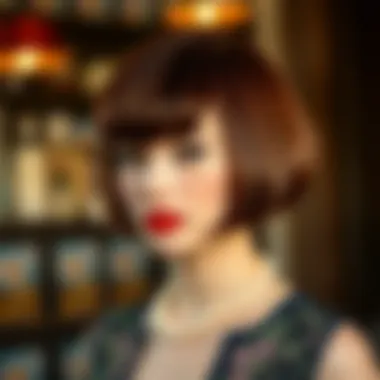
The bob haircut, perhaps the most iconic feature of 1920s styles, revolutionized women's appearance. This style was characterized by hair cut straight around the head at about jaw-level, often with bangs at the front, presenting a sharp contrast to the long, flowing locks of previous decades. Women embraced this cut, signaling a departure from traditional femininity to a more androgynous aesthetic.
"The bob was not just a haircut; it was a declaration of independence in a time when women sought to redefine their roles in society."
The Louise haircut, a subtype of the bob, was a bit more adventurous. Named after silent film star Louise Brooks, this variant featured a more pronounced bob with an edge that appealed to the thrill-seekers among women.
Fashion designers and stylists recognized these hairstyles' transformative power, as they suited evening events, jazz clubs, and social gatherings. Women adorned with bobs and Louise cuts commanded attention and reflected confidence. They were about breaking societal molds, and the hairstyles mirrored the liberated lifestyle that many women craved.
Waves and Curls
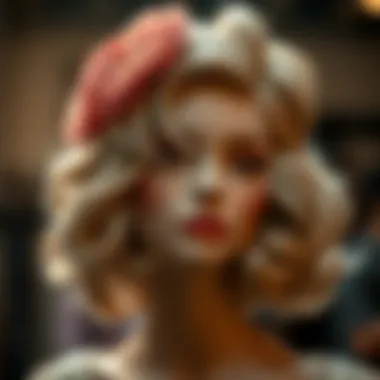
Hairstyles in the 1920s weren't solely restricted to bobs. Another widely popular choice was the use of waves and curls, lending a touch of glamor to everyday looks. The soft, finger-waved hairstyles mimicked the smooth, flowing lines of art deco design and showcased an elegant, almost romantic flair.
Historians often cite finger waves as an evolution of the bob, as many women opted for this intricate styling to capture the essence of sophistication. These natural, flowing hair designs were typically achieved using heated curling methods, showing that maintenance and attention to detail were paramount in the pursuit of beauty.
The allure of wavy hairstyles perfectly complemented the flapper dresses that transcended the fashion scene. Syncing with the rhythms of jazz, women found freedom in the rhythm of their hairstyles and fabric, suggesting an effortless yet refined aesthetic.
Accessories and Embellishments
No wig was truly complete without the right accessories to amplify its beauty. In the Roaring Twenties, adornments such as feather headbands, embellished hairpins, and sparkling jewels were widely embraced. These accessories complemented not only the wigs but also the entire look of a woman, enhancing her presence at soirées and gatherings.
Key Accessories:
- Feather headbands
- Decorative hair combs
- Rhinestone pins
- Flower clips
These embellishments were more than mere decoration; they expressed individuality and wealth. Women often chose accessories that echoed their personalities or the opulence of the environments they frequented. The psychology behind accessorizing was fascinating; it revealed a desire to stand out while still feeling a sense of connection to the luxurious lifestyles many aspired to.
Materials and Craftsmanship
The allure of Roaring 20s wigs isn’t just in their aesthetic appeal; it lies deeply rooted in the materials used and the craftsmanship involved in their creation. This era marked a significant transformation in fashion and society, prompting a shift in how women expressed their identities through hairstyles. Wigs became more than mere accessories; they were symbols of freedom, creativity, and adaptation to the fast-evolving cultural landscape. Understanding the materials and craftsmanship that went into these wigs allows us to appreciate their impact on fashion history and their continuing relevance in modern styling.
Common Materials Used in Wig Production
Wigs of the 1920s were primarily made from materials like human hair and synthetic fibers.
- Human Hair: It was favored for its natural look and versatility. Wigs made from human hair were styled just like real hair, allowing for waves and curls that created the glamorous looks so iconic to this era. The downside, however, was that they often required more care and were pricier.
- Animal Hair: Another option included animal hair, such as horsehair. While less common, it provided a distinct texture and was usually more affordable than human hair.
- Synthetic Fibers: The advancement of technology led to the creation of synthetic wigs, made from fibers like nylon and polyester. These wigs were easier to maintain and could mimic the stylish waves and bob cuts without extensive styling. While initially considered inferior, some synthesized versions managed to capture the essence of the 1920s styles quite well.
"Wigs of the 1920s represented a fusion of creativity and practicality, giving women the power to reinvent their looks with ease."
Techniques in Wig Making
The craftsmanship behind wig making in the 1920s involved intricate techniques that defined the quality and appeal of these hairpieces.
- Hand-Tying: Many wigs were meticulously hand-tied, meaning that strands of hair were tied into a lace base one by one. This technique provided natural movement and allowed for a lifelike appearance. The artistry involved here was essential for achieving the desired waves in the hair, crucial for styles that defined the period.
- Wefting: Another widespread technique was wefting, in which strands of hair were sewn onto strips of fabric or lace. This method was faster than hand-tying, making wigs more accessible. However, it often lacked the fluidity of hand-tied wigs.
- Blocking: This process involved shaping the wig over a mold to achieve the desired style. Proper blocking was crucial for waves and bobs, ensuring that the wig held the fashionable silhouette of the time.
The techniques and materials used in the creation of Roaring 20s wigs reflect a fascinating intersection of artistry and social change. As times evolved, so did the preferences for style, pushing the boundaries of creativity in hair fashion.
The Role of Wigs in 1920s Social Life
The significance of wigs during the Roaring Twenties cannot be overstated. With the decade's cultural upheaval, wigs became more than mere accessories; they turned into potent symbols reflecting the shifting dynamics of society. At the heart of urban nightlife and the emergence of the flapper phenomenon, wigs not only altered appearances but also played a critical role in shaping identities. This section aims to delve into how wigs were intertwined with social interactions and personal expressions, showcasing the multifaceted role they occupied within 1920s society.
Wigs in Cabaret and Nightlife
Wigs were a staple in the vibrant cabaret scene that flourished in the 1920s. Jazz clubs and speakeasies overflowed with a mix of characters from all walks of life, and the desire to stand out often led patrons to choose bold wig styles. Bobs and intricate curls adorned the heads of performers, creating a visual spectacle that complemented their dynamic acts.
The masterful integration of wigs in performances emphasized the entertainers' fantastical personas. A cabaret star dressed in a sequined gown, complete with a choppy bob wig, conveyed daring and free-spiritedness, echoing the changing views on femininity. In this environment, a wig wasn't just adornment; it was a performance in itself, adding layers to the artistry of those who wore them.
Moreover, patrons donned wigs to emulate their favorite performers, creating a thriving culture of imitation. This trend underpinned the era’s ethos, where blurring boundaries became common. The wigs signified not just a change in fashion but also a new era where it was acceptable to challenge traditional norms through appearance.
Wigs as Symbols of Liberation
The 1920s was a time of immense liberation for women, and wigs were a central facet of this newfound freedom. As women cut their hair into daring bobs, they also liberated themselves from societal expectations. Wigs served as a means of exploration, allowing individuals to redefine their identities and express individuality.
"The length of a woman’s hair speaks volumes about her freedom to express herself."
This period saw a substantial departure from the Victorian ideals of femininity. Wigs allowed women to play with their looks as they engaged with the cultural shift toward more daring fashion choices. A woman sporting a sleek wig could navigate different social spheres with ease, oscillating between being a modern flapper, a rebellious spirit, or a sophisticated dame.
Furthermore, the accessibility of wigs meant that women from various backgrounds could participate in these trends, democratizing fashion on a level previously unseen. The choice to wear a wig became more than an aesthetic endeavor; it was a declaration of autonomy and a rejection of restrictive gender norms.
In summation, the 1920s saw wigs evolve into powerful tools for self-exploration and cultural expression. Their role in cabaret and social life was significant, ensuring that they remain a hallmark of that vibrant decade. Understanding this aspect reveals how wigs moved beyond mere fashion to reflect broader societal transformations.
Modern Interpretation of Roaring 20s Wigs
The fascination with Roaring 20s wigs transcends mere nostalgia; it embodies a style statement that resonates with contemporary aesthetics. The influence of the 1920s on today’s fashion industry is unmistakable. Many designers and fashion enthusiasts continuously draw inspiration from this iconic decade. This section explores how modern interpretations of these wigs serve not only as a nod to history but also as a bridge to current trends, styles, and personal expression.
Contemporary Fashion Trends Inspired by the 1920s
The resurgence of 1920s fashion elements is evident in current trends. Designers showcase shorter hairstyles that echo the daring bobs and sleek waves typical of that time. Today’s runways echo a similar rhythm of liberation and rebellion. Here are some standout trends that encapsulate the spirit of the 1920s:
- Chic Bobs: Modern bobs often feature asymmetrical cuts or sharp lines, reminiscent of flapper styles. Designers like Marc Jacobs blend this classic with contemporary vibes, using bold colors and textures.
- Art Deco Influences: Geometric shapes and patterns influenced by Art Deco make splash in accessory designs. These motifs often find their way into wig embellishments, creating a sense of cohesive style.
- Feathered and Beaded Accents: The glitz of the 1920s bubbles up in contemporary fashion, with feathers and beads used to embellish wigs and outfits. Brands are keen to mimic that luxurious feel found in vintage pieces.
- Diverse Styles: The 1920s embraced a variety of looks aimed at different social classes. Modern interpretations showcase this diversity, incorporating influences from various cultures and allowing for a personalized touch.
Fashionistas today flaunt wigs that not only pay homage to the famous decade but also reflect individualism. This blend is appealing, drawing diverse audiences from those participating in 1920s themed parties to those simply looking for a statement piece.
Revival of Vintage Styles in Today's Fashion
The revival of vintage styles, specifically from the 1920s, offers a rich tapestry of options for those interested in wigs. Today’s fashion landscape honors the past while injecting a fresh perspective. Below are key factors influencing the revival of these vintage styles:
- Social Media Influence: Platforms like Instagram and TikTok have birthed trends that glorify retro looks. Users showcase how to emulate 1920s styles with contemporary elements, inspiring others to incorporate wigs into their daily fashion choices.
- Fashion Events and Shows: Many fashion weeks feature collections centered on historical themes. Designers frequently reference the 1920s, encouraging the use of wigs to recreate iconic looks.
- Sustainable Fashion: The move toward sustainable fashion has revived interest in vintage styles. Wearing wigs, which can be reused and altered, provides an eco-friendly way to explore different aesthetics without altering one’s natural hair.
- Cultural Celebrations: Events like Gatsby-themed parties and vintage fairs celebrate the era, encouraging people to don wigs as they channel flapper energy.
In summary, the modern interpretation of 1920s wigs is not just about imitation; it embodies the essence of personal style, cultural nostalgia, and a forward-thinking mindset. These reasons explain why Roaring 20s wigs remain relevant in today’s fashion narrative, showcasing the endless possibilities when past and present converge.
"Fashion is not something that exists in dresses only. Fashion is in the sky, in the street; fashion has to do with ideas, the way we live, what is happening." - Coco Chanel
By bridging generations, these wigs enable individuals to explore their identity while honoring a period that defined liberation and self-expression. Brands can capitalize on this ever-growing interest, creating pieces that not only reflect the past but also invite future explorations and innovations.
How to Style and Maintain Roaring 20s Wigs
Understanding how to style and maintain Roaring 20s wigs is not just a cosmetic concern; it’s a nod to an era of bold self-expression and individuality. In this section, readers will learn essential techniques that ensure their vintage wigs not only look fabulous but also stand the test of time. Authenticity in styling these wigs is vital for capturing the spirit of the Roaring Twenties, where every detail mattered in creating a striking appearance.
Care Techniques for Vintage Wigs
Maintaining vintage wigs requires a delicate touch, combining respect for the craftsmanship with practical care techniques. Here are some vital pointers to keep your wigs looking as good as new:
- Gentle Washing: Use a mild wig shampoo to avoid stripping the fibers of their natural shine. It’s wise to keep the water lukewarm and gently swirl the wig in the water instead of rubbing or agitating it.
- Conditioning: After washing, apply a wig conditioner specifically formulated for synthetic or human hair wigs, depending on your piece. This helps to hydrate and keep the wig fibers manageable, resembling the soft waves popular in the 1920s.
- Drying: Instead of wringing, allow your wig to air dry on a wig stand. This preserves its structure and prevents tangling. Avoid exposing it to direct sunlight or high heat, which can warp the hair.
"The craft of wig care is as detailed as the craft of wearing one; both require knowledge, patience, and a touch of artistry."
- Styling Products: When styling Roaring 20s wigs, choose products that are designed for wigs. Heavy gels or hairsprays can create a sticky texture that may dull the wig's shine. Opt for lightweight sprays that retain the movement and flow of the hair.
Dressing Up with Accessories
Accessories play a pivotal role in enhancing the allure of Roaring 20s wigs. They can transform a simple hairstyle into a statement look that embodies the vivacious spirit of the decade. Here are some tips to consider:
- Headbands and Hair Clips: Choose ornate headbands adorned with feathers or beading. These details evoke the glamorous night-life scenes of flappers and cabaret performers.
- Jewels and Combs: Vintage hair combs with intricate designs can add a unique flair. Slide them into stylish updos or let them cascade along a bob cut for an elegant effect.
- Scarves and Feathers: Incorporate silk scarves that can be tied around a wig or used as a headband. Add feathers delicately for that extra touch of drama, perfect for a night out dancing to jazz.
- Beaded Necklaces and Earrings: Complement your wig with accessories that echo the boldness of the 1920s fashion. Long pearl necklaces or fringe earrings can enhance the overall ensemble, pulling the whole look together.
When styling and maintaining your Roaring 20s wig, remember that it's not merely about the appearance; it’s also about the history and the cultural resonance that these styles hold. By investing time in proper care and accessorizing thoughtfully, one can truly embody the spirit of an unforgettable decade.
Cultural Impact of Wigs in the Roaring 20s
The roarin' 20s was a time of dramatic shifts, not just in society, but in how individuals expressed themselves. Wigs emerged as not just accessories, but as powerful symbols in the visual dialogue of fashion and identity. They encapsulated the essence of the decade, embodying a sense of liberation, boldness, and creativity. As such, understanding the cultural impact of wigs in this vibrant period is crucial for grasping the broader context of the era’s social dynamics and sartorial choices.
Wigs in Film and Literature
During the 1920s, the entertainment industry blossomed, with films and literature reflecting and shaping public perceptions of fashion and femininity. Wigs took center stage in both realms. In early cinema, stars like Clara Bow and Louise Brooks became synonymous with the bobbed hairstyle, and by extension, wigs that embodied this look. These actresses often transformed their appearances for roles, and the ease of incorporating wigs led to an explosion of styles that audiences eagerly emulated.
Moreover, writers of the time also recognized wigs as a means of social commentary. In F. Scott Fitzgerald’s works, for instance, characters who donned elegant wigs often represented the excesses and complexities of the Jazz Age. This interplay between fashion and narrative provided intricate layers of meaning that explored themes of identity and self-expression. Wigs were no mere fashion statement; they became a tool for storytelling, helping to forge a cultural identity that was bold and unapologetically modern.
"Wigs were not just accessories; they were vessels of self-expression, carrying dreams and aspirations of a generation craving for change."
Representation of Women and Fashion Choices
The use of wigs during the 1920s also profoundly affected how women perceived themselves and their roles in society. As women gained the right to vote and stepped into the workforce, they sought styles that reflected their newfound independence. Wigs allowed for versatility in appearance, facilitating a playfulness that was previously unattainable.
Fashion choices, especially with wigs, became abstract indicators of a woman’s attitude. The bob, for instance, symbolized rebellion against the previous era's restrictive norms. It was a tangible shift from the long, elaborate hairstyles that had prevailed. The decision to wear a wig not only allowed for the embodiment of the latest fashion but served as a badge of courage in the face of societal expectations.
- Wigs empowered women to express individuality.
- They were practical, accommodating the fast-paced lifestyle of the era.
- The variety in styles reflected the diverse identity of women embracing various roles in society.
Epilogue: The Enduring Legacy of Roaring 20s Wigs
As we round off this exploration into the allure of Roaring 20s wigs, it’s clear that these vibrant accessories hold a special place in the tapestry of fashion history. They are more than just stylistic choices from a bygone era; they are symbols of rebellion, freedom, and transformation. The 1920s represented a seismic shift in how society viewed femininity, and the hairstyle changes reflected women’s newfound liberties.
Wigs as Part of Fashion History
In tracing back the steps of fashion evolution, we find that wigs in the 1920s played a pivotal role in redefining identity and expression. Back then, a woman sporting a bob or a wave was not just adhering to style but signaling her alignment with the flapper spirit, a lifestyle steeped in defiance against the stiff social mores of previous generations. The integration of wigs into daily life was a statement, enabling women to adapt and reinvent themselves with relative ease. Wigs expanded the possibilities of personal style and embraced the dynamic nature of self-presentation.
Culturally significant figures such as actress Clara Bow and singer Josephine Baker helped propel wig-wearing into the mainstream, influencing many to adopt similar hairstyles as a means of stark individualism. This friction between tradition and modernity paved the way for a deeper aesthetic appreciation, with wigs becoming a canvas for personal narrative.
In summary, the wigs of the 1920s:
- Signified a break from the past.
- Enhanced personal identity.
- Served as cultural touchstones in the realm of fashion.
Future Trends Influenced by the Decade
The reverberations of the 1920s can still be felt today, as contemporary fashion continuously draws inspiration from this iconic period. Just as the flappers challenged conventional norms, today’s designers and trendsetters revisit Roaring 20s styles, integrating them into modern aesthetics. Wigs have returned to the spotlight, not merely as vintage items but as versatile fashion statements that adapt to today’s beauty standards.
From runway shows to high-street boutiques, the influence of 1920s wigs is apparent across various platforms. Current hairstyle trends are increasingly embracing:
- Vintage-inspired bobs. With sharp edges and glossy finishes, they echo the style of the flappers.
- Soft waves. Often paired with casual wear, they offer a romantic touch while maintaining a modern flair.
- Bold colors and embellishments. Innovations in wig technology allow for customizations that were unimaginable in the past, enabling wearers to express their style more colorfully and audaciously than ever.
In embracing these elements, fashion continues to challenge norms and push boundaries, fostering creativity and self-exploration. It is this cyclical nature that ensures the 1920s—and its beloved wigs—remain relevant. The past influences our present, and the legacy of 1920s wigs continues to inspire, reminding us that fashion is an ever-evolving form of art.
"The history of fashion is not just about fabrics and styles. It's about the resilience of the spirit behind them."