Exploring Princess Dress Up Shoes: Styles and Impact


Intro
The allure of princess dress-up shoes transcends mere aesthetics; they have carved their own niche within the vibrant tapestry of childhood play. For many young children, donning a pair of these shoes is akin to stepping into a fairy tale where imagination reigns supreme. From stiletto heels to ballet flats, the variety is astounding, with each style shaping their perception of self and the world around them. This exploration seeks to peel back the layers of cultural significance, historical roots, and how these shoes resonate with it's delicate significance in the realms of fashion and psychology.
As the quest unfolds, we will venture into a detailed look at the latest trends capturing the attention of both young dreamers and the savvy fashionista. We won't shy away from diving into expert opinions rooted in the fashion industry and shining a light on sustainable practices that are increasingly gaining momentum.
In this journey, families, designers, and educators will find something of worth as we dissect how children’s footwear like the beloved princess-inspired variety can impact cognitive development, foster creativity, and encourage social interaction. Whether one is a seasoned designer, an enthusiastic blogger, or simply intrigued by the relationship between child play and fashion, this exploration promises ample insights.
Prolusion to Princess Dress Up Shoes
In the vibrant tapestry of childhood imagination, 'Princess Dress Up Shoes' hold a special place. These shoes are not just mere accessories; they symbolize a gateway to worlds filled with fantasy, adventure, and self-exploration. Understanding the nuances of these shoes is crucial for parents, designers, and educators alike. They ignite creativity and foster role-play, which plays an integral role in a child's development.
The Allure of Dress-Up Play
Dress-up play is a rite of passage for many children. The glittery appeal of a tiara paired with sparkling shoes can spark a child's imagination in ways that go beyond fashion. When a child dons a stunning pair of shoes, they instantly become a character from their favorite story, whether it be Cinderella or a modern-day princess. This transformation encourages role-playing, which helps children navigate complex social dynamics, boost confidence, and develop a rich narrative understanding of the world around them.
The joy of dress-up extends beyond playtime; it offers young minds the chance to explore various roles and personalities. They can be daring heroes or graceful princesses, providing a fluidity that enriches their everyday lives. Children learn that their story is theirs to create, fostering a sense of autonomy and individuality. In this colorful carnival of identities, Princess Dress Up Shoes act as a powerful tool in the theater of imagination.
"In every child, there's a little storyteller waiting to be unleashed, and dress-up play paves the way for that narrative to unfold."
Significance of Shoes in Role-Playing
Shoes carry seminal significance in the realm of role-playing. They are often the finishing touches that can elevate a simple costume to a mesmerizing transformation. For young girls, a pair of sparkly dress-up shoes can evoke feelings of grace and elegance, symbolizing the royal life they envision. For boys, shoes adorned with superheroes can encourage excitement and bravery, offering a different kind of narrative.
In developmental psychology, it's noted that the context created by clothing, particularly shoes, can impact a child’s behavior and mindset. When wearing dress-up shoes, children often modify their actions to match the character they’re portraying. This interaction reflects the powerful link between attire and identity, showcasing how clothing can influence self-perception and the way one navigates through their environment.
Furthermore, authenticity in play is critical. If a child feels that their experience is genuine—represented by the glamorous shoes they wear—they are more likely to engage deeply in the experience, drawing them into the storytelling fully. Thus, the significance of Princess Dress Up Shoes transcends mere fashion; they are intrinsic to forming a more profound understanding of one's identity and imaginative play.
Historical Context of Princess Dress Up
Understanding the history of princess dress up offers a rich backdrop for exploring the evolution of children's play and fashion. Historically, dress-up games have not only provided enjoyment for children but also served educational and developmental purposes. In this section, we look at the roots of these games, their transformation over time, and how shifting cultural trends have influenced their current iterations.
Evolution of Dress-Up Games
Dress-up games have been around for centuries. Their origins can be traced back to royal courts where aristocratic children would mimic the fashion and behaviors of their parents. With time, this play evolved into what we now recognize as children's dress-up games. The idea of children playing roles, embodying characters from stories and folklore, began as a simple pastime.
The advent of commercialized toys and clothing in the mid-20th century was a significant turning point. Specific products, like the Barbie Doll, changed the landscape entirely, introducing a new dimension to childhood fantasy. Children suddenly found themselves immersed in a world where they could emulate stylized versions of adulthood, complete with fashionable shoes that matched their dress-up needs. Today’s princess dress-up shoes, adorned with glitter, sequins, or representations of beloved characters, reflect this historical journey. They are not just footwear; they are symbols of identity and self-expression in a playful context.
Parents have also played a crucial role in this evolution. Home environments filled with items like costumes, accessories, and even fabrics forged from different cultures provided children with the tools for imaginative play. This playtime is essential; it lays the groundwork for creativity, exploratory behavior, and socialization.
Influence of Popular Culture
The impact of popular culture on princess dress-up is undeniable. Fairy tales, animated films, and even contemporary media have all profoundly shaped how children perceive princesses and the related dress-up attire. From Cinderella's iconic glass slipper to the bold and adventurous styles of modern princesses in films like Frozen, the portrayal of these characters in media has not only influenced what children wear on their feet but also how they perceive femininity, beauty, and power.
Consider the term "princess." It's loaded with connotations, bioth positive and negative. On one hand, it exudes warmth and artistry; on the other, it can perpetuate industry biases about gender roles. As more diverse princess characters emerge, so does the range of dress-up styles, reflecting various cultures and characteristics. This shift has encouraged children’s imaginations and challenged traditional ideals.
"Dress-up play is not merely entertaining; it has become a means for young minds to interrogate and innovate aspects of their identities."
Children's media has also commercialized this interest, leading to a rise in themed merchandise. Toys based on princess characters have flooded the market, paving the way for greater accessibility in play. These influences illustrate a wider societal narrative where the shoes they wear during playtime shape their comprehension of self, society, and culture.
In summary, the historical context of princess dress-up shoes reveals an ongoing dialogue between children’s play, cultural imagery, and evolving societal standards. The intricate relationship between these elements contributes to our understanding of childhood development and fashion industry shifts.
Types of Princess Dress Up Shoes
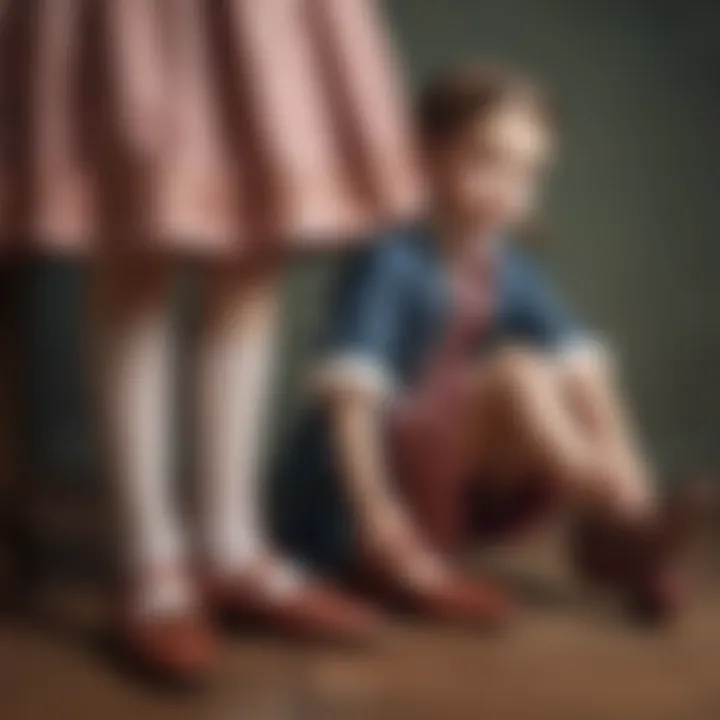
Understanding the different types of princess dress up shoes is crucial in grasping how they not only contribute to a child's imaginative play but also align with their evolving identity. These shoes serve various purposes, from performance in dress-up scenarios to their role as tools for self-expression. Additionally, exploring the types reveals trends that cater to the diverse tastes of children today, reflecting societal values and aspirations.
Traditional Styles
Traditional styles of princess dress-up shoes often draw inspiration from fairy tales and classic illustrations. Commonly characterized by bright colors, shiny materials, and playful embellishments, these shoes evoke nostalgia for familiar stories that have shaped childhoods for generations.
- Ballet Flats: Often favored for their comfort and versatility, ballet flats offer a simple elegance that resonates with many little girls. They are typically embellished with ribbons, sequins, or even small jewels, enhancing the classic fairy tale aesthetic.
- Heeled Shoes: Although lightweight and safe, these shoes, often resembling sparkling slippers, instill a sense of glamour and occasion. They bring to mind iconic characters like Cinderella, reinforcing the idea that every child can feel like royalty.
- Sandals: More casual yet equally enchanting, sandals allow for breathability and comfort during active play. Bright colors and fun designs, such as ones adorned with flowers or butterflies, appeal to children's imaginative spirit.
Traditional styles not only fulfill aesthetic needs but also ground children in the familiarity of beloved stories, promoting an emotional connection during playtime.
Modern Interpretations
In contrast to traditional designs, modern interpretations of princess dress-up shoes add layers of creativity and innovation. Designers are increasingly focused on integrating contemporary fashion trends while ensuring children's preferences remain central.
- Sneakers with Sparkles: Merging comfort with style, sneakers are now being spruced up with glitter and colorful prints. This fusion allows children to remain active while embracing their fancy-dress desires.
- Eco-Friendly Models: Some brands are beginning to utilize sustainable materials while designing whimsical shoes that maintain the enchanting aesthetic. This modern twist resonates with environmentally conscious parents wanting to instill those values in their children.
- Custom-Made Options: With the rise of online shopping and customization trends, many brands offer personalized designs where kids can select colors, patterns, and even add their names. This engagement helps children build a unique identity while celebrating their individuality.
Modern interpretations of princess dress-up shoes signify a shift where traditional charm meets contemporary necessity. They cater to a new generation that seeks both allure and practicality, reinforcing that dress-up can be a joyful and responsible experience.
Psychological Aspects of Dress Up
The realm of dress-up play, especially with a focus on princess-themed shoes, taps into a child's psychological growth in remarkable ways. It not only fosters creativity but also plays a crucial role in children’s emotional and social development. Understanding the psychological aspects behind this form of play helps to illustrate its significance in fostering healthy childhood experiences.
Building Imagination through Play
Imagination is the pallet from which children paint the canvas of their personalities. When children slip on a pair of princess shoes, they don’t just see a shiny accessory; they transcend into an alternate world rife with possibilities. This act of dressing up becomes a mode of storytelling—a pretend sandcastle where they summon grand adventures, enact royal duties, or even engage in daring escapades.
Engaging in such imaginative play provides mental agility, encouraging children to explore scenarios, resolve conflicts, and develop empathy by stepping into another character's shoes—sometimes literally! According to research, a child’s ability to imagine and engage in role-play is vital for cognitive development. The improvisational skills they honed during these playful moments can translate into successful navigation of social situations later in life. For example:
- Role-Playing: By pretending to be a princess, kids learn to articulate their thoughts and feelings.
- Storytelling: Crafting narratives around their dress-up play hones verbal skills and boosts confidence.
- Problem-Solving: Encountering challenges within their imaginative framework could mirror real-life dilemmas.
Development of Identity
As youngsters clamor to dress up in various roles, they aren’t merely play-acting; they’re weaving the threads of their own identities. This exploration aids children in understanding who they are and who they can become. The shoes they adorn may symbolize power, beauty, or even resilience, prompting inquiries about gender roles, social expectations, and personal aspirations.
Princess imagery is laden with connotations; it signifies both admiration and critique. When kids embrace these symbols, they also confront the norms surrounding gender and societal expectations. Sometimes donning those dazzling shoes, they may find themselves evaluating what it means to be a “princess”—is it an ideal of grace, or a confined notion that needs broadening? Unpacking their thoughts around such themes can lead to a deeper understanding of self.
Furthermore, research indicates that identity exploration during play can help solidify a sense of self-worth and promote resilience in face of challenges. In practical terms, this development of identity through dress-up could manifest as:
- Confidence: Expressing themselves through various roles boosts children's self-esteem.
- Empathy: Understanding diverse perspectives enhances emotional intelligence.
- Social Skills: Interactions during play nurtures ability to communicate and negotiate with peers.
The interplay of imagination and identity forms the bedrock of children’s social and emotional well-being, crafting not just future adults but compassionate individuals.
By comprehending how dress-up influences psychological development, we can appreciate the pivotal role of princess-themed shoes. They are, remarkably, more than just playful props; they bear the potential to shape the mental landscapes of growing minds, making their importance hard to overstate.
Cultural Significance of Princess Imagery
Princess imagery carries profound cultural significance that transcends mere aesthetics or fantasy. Rooted in various traditions, these representations influence young minds and shape cultural identities. For many, princess themes encapsulate aspirations, providing not just escapism but also frameworks for understanding societal roles, power dynamics, and beauty standards. Moreover, these themes become vehicles for broader themes like resilience, courage, and compassion. As children don their dress-up shoes and costumes, they step into roles that carry both historical weight and contemporary implications.
Cross-Cultural Perspectives
When discussing princess imagery, one can’t ignore its diversity across cultures. Different societies have their interpretations of royalty, often reflected in local tales and folklore. For example, the depiction of Cinderella might vary from one culture to another. In some Asian cultures, her journey entails themes of family honor and hardship, while in Western narratives, it often emphasizes individual triumph.
Ways to approach princess dress-up in a culturally sensitive light can include:
- Exploring Cultural Tales: In many cultures, unique stories about princesses communicate moral lessons, traditions, and values. Children can learn about distinct heritage and broaden their horizons.
- Inclusion of Diverse Characters: Incorporating figures from various ethnic backgrounds can encourage kids to appreciate diversity, helping to pave the way for acceptance and understanding.
- Role Assignments: By providing costumes that represent a variety of princesses, children get the chance to engage with different cultures and stories, allowing for rich discussions and learning opportunities within the play.
Exploring the multifaceted nature of princess imagery allows children to transcend their immediate cultural context, engaging with a tapestry of global narratives.
Challenging Gender Norms
The princess motif isn't exempt from critiquing traditional gender roles. Often portrayed as delicate beauties waiting for rescue, many are now advocating for a shift in this paradigm. Today’s narratives around princesses can empower girls by presenting stronger, independent characters who lead adventures rather than waiting to be saved. This change can significantly influence how children view their potential and aspirations.
Consider the following elements of this shift:
- Strong Role Models: Modern princess narratives seen in various media channels display qualities like bravery, intellect, and leadership. Characters like Moana and Merida redefine what it means to be a princess, showcasing that strength comes in many forms.
- Embracing Variety in Interests: The growing acceptance of diverse interests in dress-up play enables children to embrace whatever roles resonate with them. Boys can enjoy being princesses as much as girls can enjoy being knights, fostering an environment of acceptance.
- Discussion on Stereotypes: Engaging children in conversations about stereotypes enables them to critically analyze the princesses in their lives, uncovering the nuanced characterizations that challenge these norms.
By rewriting the scripts of princess stories, we can help the next generation cultivate a more equitable perception of gender roles. In this light, princess dress-up shoes become symbols not just of fantasy, but of empowerment.
Materials and Design Considerations
Materials and design in children's dress up shoes play a crucial role in ensuring the products not only appeal aesthetically but also serve functionally. From the choice of materials to the ergonomics of the design, each decision influences how children engage with their playtime while ensuring their safety and comfort. It's not just about looking good; it’s about crafting a playable experience that supports childhood development and imagination.
Safety Standards for Children's Footwear
When it comes to children's shoes, safety should never take a backseat. Safety standards are put into place by various regulatory bodies to protect the youngest of consumers from potential hazards. These standards often cover several factors, including:
- Chemical Safety: Materials used must be free from harmful substances such as phthalates and lead. Shoes made from non-toxic materials can reduce the risk of skin reactions or respiratory issues.
- Design Features: Shoes should have secure closures, whether zippers, Velcro, or laces, to prevent them from slipping off during active play. An ideal shoe will also offer proper ankle support, especially for young ones pretending to dance at a royal ball.
- Grip and Traction: Treading on the sole is critical. Shoes that lack grip can lead to slips and falls, which can be a little too grounded for a princess in training.
Children's dress up shoes, designed with safety in mind, not only enhance the experience of play but also provide parents with peace of mind. When a child steps into character, they should feel empowered and secure.
Eco-Friendly Options in Dress Up Shoes
As consciousness surrounding environmental issues grows, so does the demand for eco-friendly materials in children's fashion. Eco-friendly options exist for dress up shoes, pressing forward both sustainability and creativity. This trend is not merely a passing fancy; it reflects a generation’s increasing awareness of their impact on the planet.
- Biodegradable Materials: Shoes crafted from materials like natural rubber, organic cotton, or even recycled plastics can contribute less to landfill overflow. Sneakers that look like royal slippers can now also have a green story.
- Sustainable Manufacturing Practices: Brands focusing on sustainable production often utilize their local resources, reducing transportation costs and footprints. Handcrafted options can be found that are not only unique but also tell a story of environmental consciousness.
- Durability and Longevity: Opting for well-designed shoes that withstand the rigors of childhood play can lead to reusability. A sturdy pair can be passed down through siblings or friends, prolonging its life cycle and reducing waste.
As consumers become savvy about their purchasing choices, they increasingly favor options that align with their values, highlighting the important role fashion plays in shaping not only a child’s world but also their environmental footprint.
"The mark of a responsible brand lies in its commitment to sustainability. With every step in our princess shoes, we can tread lightly on the earth, nurturing not only dreams but also the environment."
Through a combination of safety and eco-friendly practices, the world of princess dress up shoes is evolving to meet not just the whims of children but the pragmatic concerns of their guardians. Fashion, after all, is not just about looks; it’s about impact.
The Role of Fashion in Childhood Development
Fashion, often seen as a purely adult affair, holds significant weight in the lives of children, especially through dress-up play. This section explores how princess dress-up shoes, and the wider realm of fashion, play a pivotal role in shaping a child’s development. The significance isn't merely about aesthetics; it intertwines with various critical aspects of growth, including cognitive development, social skills, and emotional expression.
Fostering Creativity and Expression through Fashion
Children naturally possess a vivid imagination. Each time they slip into a pair of sparkly princess shoes, they not only transform their appearance but also dive headfirst into a world of creativity. Dress-up play allows kids to experiment with characters and stories, embodying princesses or knights at a whim. This creative exploration can be seen as a canvas where they paint their thoughts and feelings.
By donning these whimsical shoes, children develop narrative skills and enhance their imaginative thinking. They often create elaborate stories, weaving together elements of their everyday experiences with fantastical realms. The shoes serve as a tangible symbol of transformation, encouraging them to express their identities better and explore various emotional landscapes.
"Fashion isn't just about what you wear. It's a way of expressing who you are and who you want to be."
This journey through fashion enables kids to distinguish between reality and fantasy, honing their cognitive skills. Moreover, mirrors in their play environment can serve as tools for self-reflection, where kids start to understand body language, posture, and the nuances of self-presentation. Whether they are twirling on their tiptoes in those shiny shoes or stomping about with confidence, every movement reflects their burgeoning individuality.
Interaction between Children and Their Peers
Another critical aspect of fashion in childhood development is the influence it has on social interactions. When kids engage in dress-up play, especially in groups, they learn crucial social skills. The royal attire, complete with the perfect pair of dress-up shoes, becomes a common ground for socialization. Through this collaborative play, children negotiate roles, rules, and even narratives, which fosters teamwork and leadership skills.
Here are a few dynamics observed during these interactions:

- Role Negotiation: Children learn to discuss and agree on who will be what character, helping them practice decision-making.
- Conflict Resolution: Disagreements over roles or props often lead to critical conflict resolution skills as children learn to listen to each other and come to a consensus.
- Empathy Development: By wearing the shoes of characters (quite literally!), children learn to empathize with others, understanding different perspectives.
In essence, princess dress-up shoes transcend their apparent function; they act as tools that encourage meaningful social play. As children interact with their peers, they build relationships grounded in shared creativity and collective experiences. Ultimately, through the lens of fashion, not only do they dress up but also layer on experiences that foster personal growth and social cohesion.
Consumer Trends in Children's Fashion
The landscape of children's fashion has seen a seismic shift over recent years, particularly in the realm of shoes designed for dress-up play. This is especially true for princess dress up shoes, where parents are not just buying a pair of shoes but investing in imaginative experiences for their young ones. With parents increasingly discerning about the products they choose for their children, understanding consumer trends becomes essential for anyone in the fashion industry, including designers, retailers, and even bloggers.
Analyzing consumer trends provides insight into what's motivating buyers. First off, parents are now placing immense value on quality rather than just quantity. They want products that can withstand the enthusiastic play of their kids while still being visually appealing. This shift underscores a broader societal move towards sustainability and mindful purchasing. When it comes to princess shoes, durability is critical because children often switch between role-playing different characters and styles, sometimes in the blink of an eye. The idea of investing in a solid pair of princess shoes, rather than multiple cheaply made alternatives, feels like a no-brainer for many.
Another crucial aspect of consumer trends is the increased demand for diversity in sizing and styles. Parents are seeking to find dress-up shoes that not only fit well but also resonate with their children's unique identities and preferences. The desire for a wide array of footwear options caters to the trend of personalization, allowing children to express themselves even during play. With the explosion of social media and platforms like Facebook and Reddit, parents are sharing their children's styles, which in turn inspires other parents to seek out similar diverse options.
"Diversity in children's fashion is not just a trend; it's a necessity. Kids should feel empowered to wear what they love, not just what is available."
This growing trend encourages brands to develop shoes that cater to a broader range of aesthetic tastes, sizes, and even gender expressions. For instance, a child may want sparkly pink heels one day and chunky, colorful sneakers the next, and having access to those various styles is key.
As we dive deeper into the subsections below, we'll explore the demand for quality over quantity and diversity in sizing and styles, seeing how these aspects are revolutionizing the market for princess dress-up shoes.
Sustainability in Children's Dress Up Shoes
In recent years, sustainability has become a buzzword in many industries, but in the realm of children’s fashion, it takes on a particular significance when discussing dress-up shoes. Understanding the sustainability of princess-themed footwear isn’t just an afterthought; it’s a necessity, considering the lasting implications it may have on both the fashion industry and the environment. Parents, designers, and retailers are increasingly becoming aware of their choices and the ways these impact our planet.
Key Elements in Sustainability
To build a sustainable future in children’s dress-up shoes, several core elements need to be addressed. First, the sourcing of materials should be more than just what looks appealing. Shoes made from highly durable yet biodegradable materials cater not only to the eye but also to the environment. Production practices must reduce waste and employ ethical manufacturing approaches to ensure that children are not only playing dress-up but also fostering sustainability through responsible consumer habits.
- Environmental Impact: Understanding how materials like synthetic rubber or plastic can contribute to pollution while biodegradable alternatives may lessen that footprint is crucial.
- Ethical Manufacturing: Ensuring that practices respect labor rights also plays a part in sustainability.
Material Sourcing and Manufacturing Practices
When it comes to the craftsmanship and assembly of dress-up shoes, material sourcing is both a challenge and an opportunity for innovation. Manufacturers who focus on responsibly harvesting raw materials often inspire others in the industry. From bamboo fibers to water-based adhesives, sustainable options abound. It’s also worth noting how local sourcing can drastically reduce carbon footprints compared to sourcing materials from far-flung regions.
- Materials like organic cotton or recycled polyester not only breathe better but cut down on the environmental toll.
- Manufacturing practices that embrace transparency can assure parents that their children’s shoes are produced safely and ethically.
"The choices we make today in sourcing materials not only affect today's consumers but will shape the market for future generations."
Longevity and Reusability of Dress Up Shoes
The need for longevity cannot be understated when discussing children's fashion. Kids can grow out of shoes quicker than one thinks, and yet they often require multiple pairs for their dress-up games. Shoes designed with durability in mind can significantly cut down on waste. Parents appreciate products that can withstand the rigors of playtime, meaning they do not have to replace shoes frequently.
- Designing for Durability: Footwear that is well-stitched and made from robust materials will last longer, which is a win-win for both the environment and the wallet.
- Reusability Options: Styles that adapt as children grow can also extend the life of a product. Adjustable straps or modular components allow for a longer wear period, ensuring the shoes aren't just a short-lived novelty.
In summation, focusing on sustainability in children's dress-up shoes involves understanding the materials used, the practices behind manufacturing, and the potential for longevity in each pair. As we move forward, integrating these elements into design and retail practices will be essential not just for responding to consumer demand, but for creating a future that respects our planet.
Closure: The Future of Dress Up in Fashion
As we step towards the future, the world of dress-up play for children is undergoing significant transformations. This evolution is not just about style; it’s a reflection of shifting societal values and an increasing awareness of the implications that fashion can have on a child's development. As we explore the landscape of dress-up fashion, it becomes clear that princess dress-up shoes, while remaining whimsical and delightful, are finding their rightful place at the intersection of creativity, sustainability, and inclusion.
Innovations in Children's Footwear Design
One cannot simply overlook the pressing need for innovation in children's footwear design. Today, designers are all about merging functionality with imagination. For instance, the rise of adaptive shoes tailored for all children, including those with disabilities, has sparked a valuable dialogue on inclusivity in play. These smart additions can be as enchanting as they are practical, allowing every child to feel like royalty in their own way.
Furthermore, advancements in material technology are leading to shoes that are not just beautiful but also durable and safe. Breathable fabrics, non-slip soles, and adjustable sizing are becoming standard features. Let’s not forget the endeavor of utilizing sustainable materials! Shoes made from recycled plastics or eco-conscious fabrics are making waves, fulfilling the desires of eco-aware parents without skimping on the magic of play.
"The essence of children's footwear has shifted, focusing not only on aesthetics but also support for growth, comfort, and the environment."
Evolving Perceptions of Dress Up Play
In recent years, there has been a noticeable change in how dress-up play is perceived. No longer confined to gender-normative expectations, dress-up is now a realm of possibility where kids can explore identities freely. The influence of social media and diverse representations in media has allowed children to see themselves in a plethora of characters, thus widening the scope of role-play. Now, whether it’s a boy slipping into a princess gown or a girl donning a knight's armor, the acceptance of varied dress-up choices points to a more inclusive future.
Moreover, as educational systems recognize the value of imaginative play, dress-up becomes an essential tool for learning. Children aren’t just indulging in fantasy; they are practicing empathy, problem-solving, and creative thinking. This mirrors a growing understanding in society that play influences character development, helping nurture well-rounded individuals.
In summary, the future of dress-up in children’s fashion is bright and filled with possibilities. The integration of innovation in design alongside a commitment to inclusivity and personal expression is set to define the landscape for generations to come.