Exploring the Role of Large Head Sewing Pins in Fashion
Intro
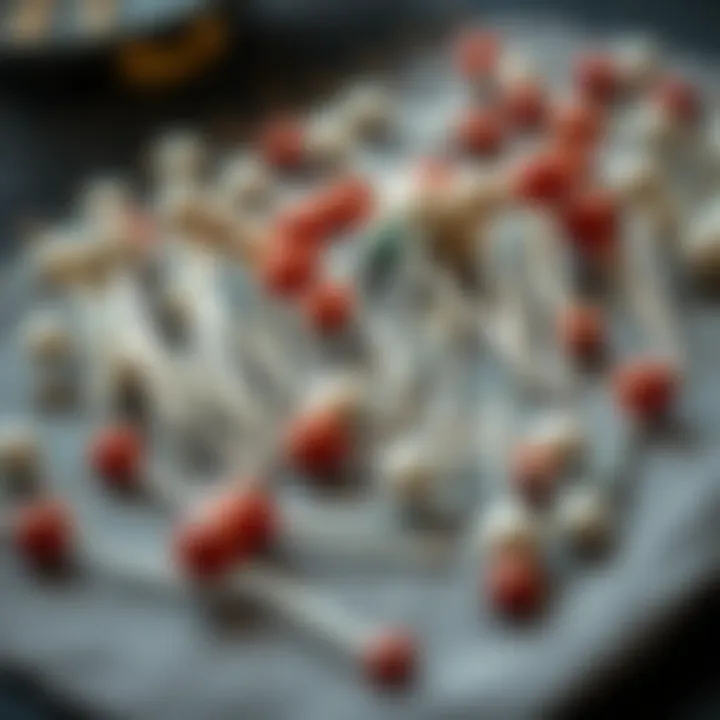
In the realm of fashion design, the tools and materials utilized can significantly influence the final outcome of a garment. Among these, large head sewing pins hold a special place. These often-overlooked essentials serve not just as mere fasteners but as integral allies in the creative process. Their hefty heads provide visibility and easy handling, making them especially useful for novice designers and seasoned tailors alike. The main aim of this article is to explore the numerous dimensions that large head sewing pins contribute to fashion design, from ease of use and fabric compatibility to their indispensable role in pattern making and crafting.
The intriguing essence of these sewing pins shines a light on their journey through history—reminding us that the evolution of even the simplest tool can reflect larger trends within the fashion industry. This article will provide practical tips for selecting and utilizing large head sewing pins, ensuring that both aspiring designers and experienced professionals can enhance their craftsmanship with confidence.
As we unfold the narrative surrounding large head sewing pins, we will delve into their versatility in a variety of contexts, painting a comprehensive picture that highlights their vital role in both traditional and modern fashion design.
Preface to Large Head Sewing Pins
In the world of fashion design, every detail counts. Among the various tools that designers rely on, large head sewing pins hold a distinctive place. These pins, characterized by their notably larger heads and sturdy construction, play more than just a minor role in the intricate dance of fabric manipulation and garment assembly. Their importance cannot be overstated as they merge functionality with ease of use, a combination that both novice and veteran designers can appreciate.
Why Large Head Sewing Pins?
Large head sewing pins are not just any ordinary pins; their design addresses several issues that designers face. For one, the oversized heads enhance visibility—imagine a bustling workshop with fabrics strewn about. The bright and prominent heads stand out, making them easy to locate amidst a chaotic environment. This ease reduces the chance of misplacing them and helps maintain a smoother workflow.
Moreover, these pins provide better stability for multiple layers of fabric. When working on complex projects that involve several pieces coming together, stable alignment is crucial. The larger heads distribute pressure more evenly across the fabric, which means fewer slips and shifts as one sews together delicate materials.
Benefits to the Fashion Designer
Consider the busy fashion designer preparing for a runway show. In this frenetic environment, understanding the advantages of large head sewing pins can make a difference. They offer a user-friendly experience, enhanced visibility, and improved fabric stability. Smaller pins, while useful, may not provide the same advantages, leading to frustrations and potential mishaps during crucial moments.
In summary, large head sewing pins should be a staple in any seamstress's toolkit. Their role in fashion design goes beyond their basic utility; they contribute to achieving precision and efficiency in garment construction. For anyone looking to elevate their crafting game, embracing these pins is just a step away from achieving sartorial excellence.
"An investment in quality tools like large head sewing pins is an investment in your craft."
Conclusion of the Preamble
As we delve deeper into this article, we will explore the anatomy of these pins, their benefits, practical applications in fashion design, and best practices for their use. Each aspect reveals how large head sewing pins are not merely tools, but rather essential companions in the artistic journey of fashion design. Understanding and appreciating their versatility can empower designers, ensuring their creations are not only functional but also artistically profound.
Understanding the Anatomy of Large Head Sewing Pins
The intricate design of large head sewing pins plays a vital role in their effectiveness and usability. By delving into the anatomy of these pins, one can truly appreciate the various aspects that contribute to their popularity among fashion designers and enthusiasts alike. Understanding the mechanics behind these tools not just enhances one's sewing skills but also allows for more creative ways to utilize them in garment construction and pattern making.
Components of a Large Head Sewing Pin
Pin shaft
The pin shaft is a fundamental part of a large head sewing pin. It typically features a slender and tapered design, allowing it to pierce through layers of fabric with ease. One of the most notable characteristics of the pin shaft is its length; it’s often longer than that of standard sewing pins, making it capable of securing multiple layers of fabric simultaneously.
For example, when working on thicker fabrics like denim or multiple quilt layers, a longer pin shaft becomes indispensable. Its rigidity and strength enable it to hold fabric layers in place without bending or breaking easily. However, when using such pins for lighter, more delicate fabrics, one must be cautious. The sharp tip may cause unintentional damage to more fragile textiles, extending the need for discretion when choosing the right pin.
Head size and shape
The size and shape of the head on large head sewing pins are what sets them apart from their smaller counterparts. Typically, these heads are larger and sometimes come in vibrant colors, providing better visibility on the fabric. The round or flat shapes also aid in easy handling when pinning or removing.
This accessibility is pivotal during long sewing sessions; it reduces the strain on the fingers, especially when pins need to be inserted or extracted rapidly. On the downside, one might find that the larger head creates a bit more drag against the fabric, which could be a concern when working with very lightweight materials.
Material composition
The material composition of large head sewing pins significantly affects their performance and usability. Commonly, these pins are made from high-quality steel, ensuring durability and resistance to rusting. The steel pins hold their sharpness over time, allowing for repeated use without degradation in performance.
Alternatives like plastic pins are also available but may lack the longevity and strength of their metal counterparts. While plastic pins are lightweight and perfect for travel or classes, they are not always suitable for heavyweight fabrics. There’s a balance to consider here; choosing the right material can be a game-changer when it comes to sewing projects, ensuring both efficiency and quality outcomes.
Comparative Analysis with Standard Pins
Length and thickness
When looking at length and thickness, large head sewing pins typically stand out. These pins are longer, giving beginners and experienced users the advantage of greater flexibility. For instance, while a standard pin might hold a single layer of fabric effectively, a larger pin can manage several layers or thicker materials without any fuss. This characteristic enhances the overall efficiency of the sewing process, streamlining the workflow.
Moreover, the thickness of these pins is balanced perfectly. They offer robust support while still minimizing damage to the fabric. However, one might consider how thick pins can struggle with very light fabrics, where a finer pin may be more appropriate.
Ease of visibility
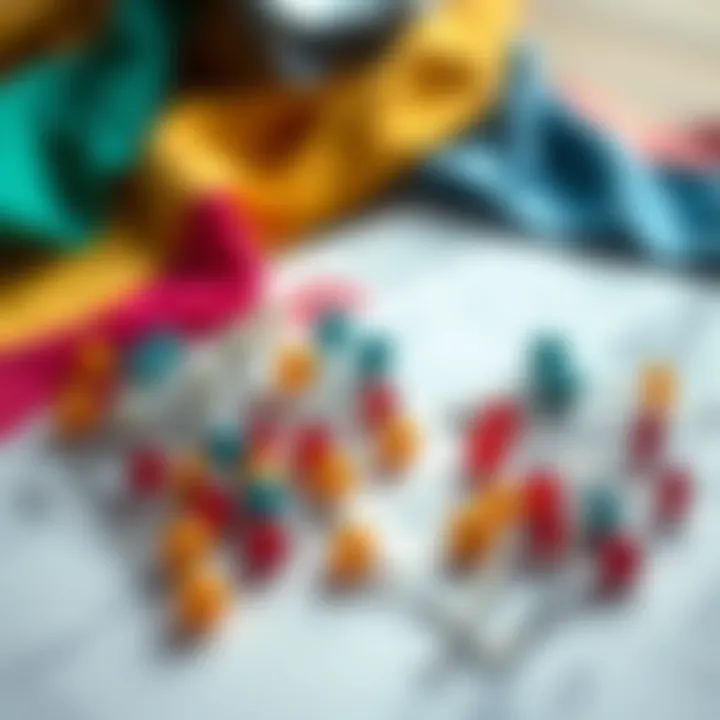
Ease of visibility is another significant feature that large head sewing pins bring to the table. The larger heads usually come in bright colors, making them very hard to overlook on a busy sewing table or layered fabrics. This feature saves a great deal of time during fabric handling and helps in preventing the frustrating moment of losing pins—a common hiccup among sewists.
Conversely, the increased visibility can detract from the aesthetics of more delicate projects where subtlety is desired. Yet, the advantages often outweighs these concerns, especially in fast-paced environments where efficiency is crucial.
Handling and usability
Finally, handling and usability are where large head sewing pins truly excel. Their design allows for easy gripping and maneuvering, facilitating quick pin insertion and extraction. This can be a boon when multiple pieces of fabric need aligning or adjusting on the fly, ensuring time is spent sewing rather than fumbling with tools.
Nevertheless, it’s important to recognize that not all users may favor larger pins. For intricate work such as quilting or detailed embroidery, smaller pins might yield more precision. Understanding each tool’s strengths ensures informed decisions can be made, based on the project at hand.
Benefits of Using Large Head Sewing Pins
In the world of fashion design, the selection of tools can seem daunting at times. However, large head sewing pins cannot be overlooked. The benefits they bring to sewing projects are impactful and can elevate the efficiency and quality of garment construction. While many may underestimate the importance of something as simple as a pin, these small tools actually possess several advantages making them invaluable for both beginners and seasoned professionals.
Enhanced Visibility During Sewing
One of the standout features of large head sewing pins is their enhanced visibility. Often, when working with intricate patterns or fabrics that may camouflage smaller pins, spotting them becomes a taxing task. The larger head size makes these pins easy to identify amid the chaos of fabric. Brightly-colored heads often mark the pins too, which makes them standout even more. You won't find yourself crawling on the floor searching for a missing pin that’s faded into the pattern of your fabric.
It's essential to not underestimate what having a clear visual during sewing can do. When your eyes are trained on details, quick decisions need to be made, and having your pins visible minimizes time wasted. This can be particularly beneficial during critical phases of sewing where precision is key. The added visibility does not only reduce frustration, but it also allows designers to maintain a smooth workflow.
Improved Stability for Fabric Layers
Another significant advantage is the improved stability for fabric layers. When working with different textiles, maintaining alignment without slips and bunching can be tricky. Large head pins provide a solid grip, allowing for better hold on multiple layers of fabric. This becomes especially vital when dealing with heavier materials or multiple fabric types needing to be sewn together without misalignment.
With consistent hold, the risk of fabric shifting and causing issues decreases dramatically, resulting in cleaner seams and professional-looking results. Using these pins ensures that the end product reflects attention to detail, which can be the difference that sets one designer apart from another.
User-Friendly Features
User-friendliness is written all over the design of large head sewing pins. Their shape and size not only make them easier to spot but also easier to handle. Many fashion designers note that the larger heads allow for a more comfortable grip when pinning and removing. Unlike their smaller counterparts, where fingers often struggle to get a good hold, handling large head pins feels intuitive.
This ease of use can particularly benefit those who are just starting their journey into sewing. For students and novice crafters, the added confidence that comes with an easy-to-use tool can nurture their skills. Furthermore, these pins work well with various techniques and styles without presenting significant hurdles, making them a must-have in a designer's toolkit.
In summary, the benefits of large head sewing pins are numerous, but they primarily enhance visibility, stability, and usability, making them a practical choice in fashion design.
In utilizing these pins, designers can streamline their processes and focus more on the artistry of their creations rather than the frustration of holding everything in place. Simple tools can make complex tasks far easier, and large head sewing pins exemplify this notion beautifully.
Applications in Fashion Design
In the world of fashion design, large head sewing pins have proven to be indispensable tools. Their functionality extends beyond mere pinning; they serve as essential aids in various stages of the design process, impacting everything from fabric manipulation to final garment assembly. Using these pins contributes to better organization and precision in both professional and home sewing settings.
Pattern Making and Fabric Layouts
When it comes to pattern making and laying out fabric, large head sewing pins are invaluable. The visibility of the large heads makes it easier for designers to see where each pin is placed, ensuring that patterns are aligned accurately and securely. This level of precision drastically reduces the chances of misaligning pieces during cutting or sewing—something that can lead to frustrating mistakes.
Benefits of Using Large Head Pins in This Context:
- Visibility: The larger heads can catch the eye quickly, meaning less time is spent searching for misplaced pins or worrying if they are in the right place.
- Secure Holding: Their size allows for better grip on thicker fabrics without distortion, which is particularly useful during the initial layout phase.
- Convenient Removal: Designers can remove them swiftly and easily, decreasing the time spent just pushing fabric out of the way to access multiple pins.
This showcases how important it is for someone working with patterns to utilize tools that not only serve a functional purpose but also enhance the workflow dramatically.
Pinning Techniques for Different Fabrics
The adaptability of large head sewing pins also allows them to cater to a variety of fabric types, each requiring specific pinning techniques to ensure the best results. Understanding how to work with different materials can elevate the quality of one’s finished designs.
Cotton and linen
Cotton and linen are stiff, natural fibers that provide a solid foundation for a myriad of garments. Their substantial structure allows the large head sewing pins to hold them together without slipping.
- Key Characteristics: Flexibility and breathability are hallmarks of these fabrics, making them popular choices for casual wear.
- Advantages: The thickness of cotton and linen supports pins well and reduces the likelihood of punctures that could compromise the fabric.
Silk and satin
On the opposite end of the spectrum, silk and satin are delicate fabrics that require careful handling. Here, large head pins play a crucial role too.
- Key Characteristics: Their smooth surfaces can slip easily during stitching, leading to uneven seams if not pinned properly.
- Unique Features: The visibility and ease of handling large head pins can help prevent distortion, allowing for clean, professional results.
Stretch and knit fabric
Lastly, stretch and knit materials present unique challenges due to their ability to move and shift. Large head pins offer the needed stability while not compromising the stretch.
- Key Characteristics: These fabrics often require special attention to preserve their elasticity during sewing.
- Benefits: By using larger heads, users can avoid creating tiny holes that could stretch and ruin the fabric's balance over time.
"Understanding fabric behavior is just as important as knowing how to pin it. Each material tells its own story, and the right tools make all the difference."
In summary, the versatility of large head sewing pins extends to various applications across fabric types, proving their value in the timely execution of fashionable designs.
Types of Large Head Sewing Pins
In the world of fashion design, the choice of pins can make a significant difference in the ease and quality of fabric handling. Large head sewing pins come in various types that cater to specific needs, making understanding these variations essential for designers, students, and hobbyists alike. This section dives into material variations and size considerations, exploring the unique benefits and drawbacks that each type brings to the table.
Material Variations
Steel pins
Steel pins are a traditional and widely favored choice for many sewing enthusiasts. The core characteristic of steel pins is their sturdy and durable construction, which contributes significantly to their popularity. One of the biggest benefits of using steel pins is their ability to easily pierce through multiple layers of fabric without bending or breaking. This substance is known for its sharpness, allowing it to glide smoothly through various materials, even thicker ones like denim. However, it’s important to note that while steel pins are robust, they can rust if not properly cared for, particularly when exposed to moisture. Designers who appreciate longevity and reliability often opt for these pins in their projects.
Plastic pinned alternatives
On the other hand, plastic pinned alternatives offer a lighter, more flexible option for pinning fabric. These pins are designed with a plastic head, making them easily visible and colorful. The lightweight nature of plastic pins makes them suitable for delicate fabrics, such as silk or chiffon, where heavy steel pins may cause damage. A unique feature of these pins is their resistance to corrosion, offering a longer lifespan in humid environments. However, they may not provide the same level of stability as steel pins with more robust fabrics, and some users find that they can easily bend.
Magnetic pin options
Magnetic pin options introduce an innovative twist to traditional pinning methods. The standout characteristic of these pins is their magnetic heads that prevent spilling and enable easy collection after use. This unique feature extends beyond convenience; it enhances efficiency in sewing, particularly in busy workspaces. Magnetic pins are beneficial for those working with multiple fabric layers or heavier materials, as they hold fabric securely. Nevertheless, they can sometimes lose their hold on very lightweight fabrics, creating a delicate balance when pinning.
Size Considerations
Length considerations
The length of large head sewing pins plays a crucial role in their utility. Longer pins are typically preferred for handling thicker layers or multiple fabric types, providing better grip and stability. Their extended length also allows for easier manipulation when aligning layers. However, longer pins can be more cumbersome, particularly in tight or intricate areas of a garment. Designers must assess their project needs to determine whether they require extra length or if shorter options can adequately secure the fabric they’re working with.
Head size differences
Head size differences among large head sewing pins can greatly influence usability. Larger heads are easier to grasp, making the pinning process faster, especially for those working in a hurried environment. Additionally, the size enhances visibility, ensuring that they are easily spotted on the floor or fabric surface. However, the drawback of larger heads is that they can sometimes be cumbersome when multiple pins are used closely together, potentially obstructing movement or fabric manipulation.
Usage based on project scale
The scale of the project is another critical factor determining the choice of large head pins. For intricate designs requiring fine precision, smaller head pins might be more appropriate for easier manipulation in detailed areas. Conversely, larger projects, such as quiltmaking or draping, benefit from larger pins that can accommodate thicker materials and multiple layers without strain. This consideration addresses both convenience and effectiveness in achieving a polished finish while working with various fabric types.
By understanding the types of large head sewing pins available, fashion designers can significantly enhance their sewing experience and achieve optimal results in their creations.
Best Practices for Using Large Head Sewing Pins
Utilizing large head sewing pins effectively can vastly improve the crafting experience for both budding designers and seasoned veterans. The benefits of integrating best practices into your pinning routine are manifold. Proper techniques not only save time but also enhance the end result of sewing projects. When one navigates through the world of fashion design, mastering the art of using pins becomes paramount in ensuring accuracy and efficiency. This segment delves into techniques, the order of pinning, and organizing your work area to optimize the usage of these versatile tools.
Techniques for Pinning Fabric
When it comes to pinning fabric, the technique adopted can make or break the project. Here are some strategies worth adopting:
- Pin perpendicular to the edge: Always insert pins perpendicular to the seam line; this allows easy removal while sewing. If you pin at an angle, you may hinder the sewing machine’s operations.
- Spacing Matters: Don’t skimp on the spacing. Generally, two to four inches between pins is adequate, ensuring enough stability without restricting movement.
- Mind the fabric: Different materials require unique handling – for instance, when working with silk, be gentle with the fabric to prevent damage.
An efficient pinning method establishes not only a solid foundation for the sewing process but aids in achieving cleaner, more polished seams.
Pinning Order for Efficiency
Efficiency is the name of the game in fashion design. The way you arrange pins can save you time and reduce the likelihood of errors:
- Start from one end: Begin pinning at one end of the fabric piece, moving towards the other. This prevents the pins from being in the way and allows a smoother workflow.
- Work in sections: Divide the fabric into manageable sections while pinning. This provides better control and helps in maintaining accuracy.
- Remove pins as you go: A good practice is to remove pins before you reach them with the sewing machine needle. This helps in avoiding potential needle damage and pauses.
By establishing a logical sequence for pinning, you optimize the workflow, ensuring that you can dedicate more attention to the intricacies of design rather than being halted by mishaps.
Organizing Your Sewing Area
A cluttered space can lead to a cluttered mind. Organizing the workspace is essential for maximum productivity. Here are some recommendations:
- Designate a pin station: Have a specific area for placing pins. Consider using a magnetic pin holder; it keeps pins in one spot, ready for your next usage.
- Separate by type: Store different types of pins in labeled containers. For instance, keeping large head pins separate from standard ones can speed up the selection process.
- Keep tools handy: Arrange your sewing tools within arm's reach, minimizing the need to constantly get up. This means having scissors, tape measures, and threads within easy access as you pin or sew.
A well-organized sewing area not only boosts efficiency but also makes the crafting experience more enjoyable, allowing creativity to flow without interruption.
In summary, mastering the use of large head sewing pins through effective techniques, a logical pinning order, and an organized workspace can elevate your garment construction. Such practices yield not just improved results but also a more enjoyable process that invites creativity and precision.
Safety Tips for Handling Sewing Pins
Working with large head sewing pins is a common activity in the world of fashion design, but it's essential to keep safety in mind. As anyone who has ever pricked their finger can tell you, handling sewing pins can pose risks. Understanding safety tips related to their use can prevent accidents and injuries, safeguarding both the designer and the fabric. This section looks at vital safety practices to ensure a more secure sewing experience.
Preventing Injury During Use
When it comes to sewing pins, awareness is key to preventing injuries. Here’s how to keep your fingers and workspace safe:
- Always keep your pins organized. Use a magnetic pin holder or a pin cushion. This prevents them from scattering and minimizes the chance of stepping on a pin or accidentally pricking your hand.
- Pay attention while pinning fabric. It’s easy to lose focus, especially when engrossed in a project. Keep your hands clear as you insert and remove pins.
- Learn proper pin placement. Place pins perpendicular to the seam line rather than parallel, allowing you to remove them easily as you sew without reaching blindly for them.
- Wear thimbles when necessary. They can provide a layer of protection for your fingers when pushing pins into thicker fabrics.
By following these guidelines, you can significantly reduce the risk of injuries while using large head sewing pins.
Storing Pins Safely
Proper storage of sewing pins is just as important as handling them carefully. Here are some effective strategies for keeping large head sewing pins secure and organized:
- Utilize dedicated storage options. Invest in a pin case or container designed for sewing supplies. This ensures that each pin has a designated place, making it easier to find what you need while also reducing clutter.
- Consider magnetic strips. Sticking pins to a magnetic strip not only keeps them visible but also minimizes the chance of losing them in your workspace.
- Label your storage container. If you have different types of pins (such as large head, standard, and specialty pins), make sure each section is clearly labeled. This will save you time and effort in finding the right pins for each task.
- Keep away from children and pets. If you have a busy household, it’s essential to store pins in a place that’s out of reach of little hands and curious paws. This minimizes the risk of accidental injuries.
Historical Context of Sewing Pins in Fashion
Understanding the historical backdrop of sewing pins, specifically large head sewing pins, gives valuable insight into their significance in fashion design. The evolution of these tools exemplifies how a simple piece of equipment can transform over the centuries, adapting to the ever-changing landscape of garment creation and tailoring. By tracing their journey, we can appreciate not only the technical advancements but also the cultural implications they reflect.
Evolution from Historical Use to Modern Applications
Sewing pins have been critical in fashion long before the advent of modern manufacturing. Initially, pins were created from natural materials like bone and wood, and they served primarily for fastening fabric. As centuries passed, advancements in metallurgy led to the production of metal pins, making them more durable and effective. In the Victorian era, the design of sewing pins underwent significant change; decorative heads began appearing on pins. This wasn't just a practical decision but served to add an element of style to an otherwise mundane tool.
Fast forward to the present day, large head sewing pins have emerged as a standard in the toolkit of fashion designers.
Benefits of this evolution include:
- Enhanced Usability: Large heads make it easier to pin layers of heavy fabrics without slippage.
- Visibility: The larger size allows for easy spotting amidst a chaotic workspace, reducing loss and making the sewing process smoother.
Today, these pins represent a blend of functionality and aesthetics, showcasing how a simple tool can adapt over time to meet the needs of its users while maintaining a connection to its historical roots.
Cultural Significance of Pins in Various Eras
The cultural implications of sewing pins stretch far beyond their practical utility. They have served as symbols of societal roles and expectations, reflecting the craft’s connection to identity. In many cultures, sewing signifies not only skill but also a form of self-expression.
In ancient civilizations, such as the Romans and Egyptians, pins were often ornately designed and used as brooches, serving dual purposes of function and beauty. During the Middle Ages, the practical use of sewing pins became more pronounced as the rise of tailored clothing demanded precision in construction. As the demand for ready-made garments grew in the industrial era, sewing pins became essential tools in the fast-paced sewing factories.
The mutual influence between cultural priorities and sewing pin development is undeniable. In contemporary fashion, large head sewing pins signify a shift towards inclusivity in the craft—enabling designers of various skill levels to engage with fashion-making, inviting a broader community to participate in creativity.
"Sewing pins are the unsung heroes of fashion design; they hold together more than fabric—they bind together creativity and culture."
End and Future Perspectives
In wrapping up our exploration of large head sewing pins, it’s vital to recognize their ongoing influence in the realm of fashion design. These seemingly simple tools have evolved beyond their basic function to become essential allies for creatives in the industry. By employing large head sewing pins, designers not only benefit from improved visibility while working but also experience enhanced control during the sewing process. This is particularly crucial when handling delicate fabrics or complex patterns.
One key takeaway from this article is the variety in the types of materials available for large head pins. The distinctions between steel, plastic, and magnetic options cater to different needs and preferences among fashion designers. As techniques and technologies develop, the material composition of these pins will likely continue to advance, possibly enhancing usability even further. Designers today must consider not just the current landscape but also the future context in which their creations will thrive. Having tools that stand the test of time will be paramount.
Moreover, with sustainability becoming a significant focus in fashion, it's worth considering how the manufacturing processes for large head sewing pins might adapt. As eco-friendly materials become more mainstream, we can anticipate a shift towards biodegradable or recyclable options that fit within sustainable fashion initiatives.
"In an industry passionately driven by aesthetics and innovation, the tools we use must evolve alongside our creative practices."
In terms of usage, focusing on best practices with large head sewing pins will remain pertinent. As designers and artisans refine their techniques, these pins should be viewed not just as tools but as vital instruments that enhance creativity and efficiency. Training novices on the effective use of these pins may elevate their work from mundane to masterful.
Ultimately, the versatility of large head sewing pins beckons a reassessment of their role in a designer's toolkit. The landscape of fashion design continues to change rapidly, yet the relevance and adaptability of these pins ensure they remain a steadfast component for years to come. As we look ahead, embracing the evolution of these tools will allow designers to channel their skills effectively, creating work that is not only unique but also relevant in today's fashion narrative.