
The Ultimate Guide to Fluffy Wool Socks: Comfort Meets Style
Intro
Fluffy wool socks have weaved their way into the very fabric of cozy fashion, not just as mere foot coverings but as significant style statements. With their plush textures and snug fit, they make a remarkable contrast against the stark chill of winter or the unpredictable chill of air conditioning in summer months at the office. This guide digs into the essentials of fluffy wool socks, educating fashion designers, stylists, students, retailers, and bloggers alike on everything there is to know about this comforting yet stylish accessory.
From determining the ideal materials and innovative designs to understanding cultural significance and current trends, readers will find insider knowledge that will assist in making informed decisions. The world of fluffy wool socks is as rich as the fibers that produce them. It's about comfort, yes, but also about sustainability and style. Let's stroll through the landscape of fluffy wool socks and learn how they’ve adapted within the ever-evolving fashion industry.
Latest Trends and Styles
Fashion is ever-changing, but certain staples, like fluffy wool socks, have commanding presence across seasons. No longer relegated to the status of quiet comfort, these socks have become a canvas for unique designs and styles, catching the eye of those who want to be both chic and comfortable.
Seasonal Fashion Highlights
As the seasons shift, the trends in fluffy wool socks also follow suit. In winter months, socks crafted with intricate cable knit patterns dominate. They often come in rich tones like deep burgundy or forest green, paired with ankle boots or clogs for a warm yet stylish ensemble. On the flip side, spring and summer introduce vibrant colors and playful designs, including floral prints and bold stripes, often sported around the house or paired with loafers. The versatility these socks offer, transitioning between seasons, reflects the fluidity of contemporary fashion.
Influencer Style Inspiration
Influencers on social media often serve as trendsetters for various styles, fluffy wool socks being no exception. With platforms like Instagram and TikTok, many fashion-forward individuals showcase how to style these socks for varied occasions. For instance, the popular pairing of fluffy wool socks with combat boots has gained traction, blending comfort with edge. Alternatively, floaty dresses during transitional weather look whimsical when paired with knee-high fluffy socks, adding a playful touch to an elegant outfit.
"Socks are becoming an essential fashion statement, showcasing individual style in a comfortable way."
Expert Insights
With the rise of conscious consumption, it's important to look at the industry through an informed lens. Understanding fashion trends goes beyond aesthetic; it’s also about ethical practices and sustainability.
Fashion Industry Analysis
The fashion industry has seen a notable pivot towards sustainable materials and practices. Fluffy wool socks, made from ethically sourced sheep wool, align with this trend. Brands are increasingly transparent about their sourcing, vying to ensure consumers understand where and how their products are manufactured. This shift represents a growing demand for authenticity and accountability in the fashion landscape.
Sustainable Fashion Practices
In the realm of sustainable fashion, fluffy wool socks stand out. Not only do they offer warmth and comfort, but they also embrace eco-friendly practices. Various brands are exploring innovative methods in wool production, ensuring minimal environmental impact. Popular organizations like the Woolmark Company promote the benefits of wool as a renewable resource, thereby enhancing the appeal of these lovely socks among eco-conscious consumers.
Understanding Fluffy Wool Socks
Fluffy wool socks have long been regarded as a staple in every wardrobe, especially as the chill rolls in. However, these cozy companions serve more than just a function; they embody a blend of history, comfort, and innovation. Understanding fluffy wool socks goes beyond their soft and warm appearance; it dives deep into the materials they are made from, the craftsmanship behind their design, and the role they play in our daily lives.
Those seeking comfort during the colder months often turn to these socks, not just for warmth but for their unique ability to provide cushioning and support. The intricate weave of these socks allows for breathability, making them excellent choices for various activities, whether lounging at home or braving the outdoors. You can say they're versatile, fitting comfortably into both casual and semi-formal settings, ensuring that you’re covered from head to toe.
In recent years, fashion designers and stylists have acknowledged the importance of wool's natural properties. They’ve crafted beautiful patterns and vivid colors that elevate these socks from mere necessities to stylish statement pieces. By understanding fluffy wool socks, you embrace a combination of practicality and art. This guide will delve into the historical backdrop and the evolution of these socks, providing insights essential for anyone interested in footwear fashion.
Historical Context of Wool Socks
Throughout history, wool has held a special place in textile production. From ancient times, various cultures utilized wool for its durability and insulation. In the colder climates of northern regions, people wore wool garments to combat the harsh elements. The early versions of wool socks were often hand-knit, passed down through generations as crafts evolved. This practice wasn’t simply about fashion; it was a necessity for survival.
Fast forward to the 14th century, where the popularity of wool socks surged in Europe, particularly among the wealthy. The combination of fine wool and skilled craftsmanship turned basic items into luxury goods. Wool production saw an increase in methodology, leading to a more refined feel and better fit over time. The industrious nature of the wool trade shaped economies across the globe and laid the groundwork for the modern designs we see today.
Evolution of Fluffy Socks
The 20th century ushered in new materials and manufacturing techniques that forever changed the landscape of sock production. With the introduction of synthetic fibers, the emphasis on comfort and style started to shift. However, enthusiasts have always found their way back to precious wool, recognizing its unique thermal properties.
In recent decades, a resurgence of interest in natural fibers has taken hold, aligning with sustainable fashion trends. Designers began experimenting with textures and thickness, allowing socks to be fluffy without sacrificing function. Now, you can find an array of options, from the classic ribbed designs to trendy patterns and colors that reflect individual styles.
This evolution continues as textile technology advances, providing a broader range of wool blends that cater to diverse consumer needs. A modern pair of fluffy wool socks might include blends like merino or alpaca, known for their exceptional warmth and softness, coupled with elegant styling.
In essence, the journey of fluffy wool socks from simple woolen wards against cold to modern-day fashion essentials mirrors the broader fabrics of culture, practicality, and personal expression.
"Wool socks have transcended mere utility, becoming a canvas for personal and cultural expression."
Understanding this narrative enhances our appreciation of these humble articles, inviting us to embrace the fusion of tradition and innovation.


Materials and Construction
When delving into the realm of fluffy wool socks, it is essential to consider the materials and construction that define their quality and comfort. The fabric composition and the techniques used in their manufacturing greatly influence their effectiveness and longevity. The choice of materials affects not only the thermal properties of the socks but also their overall feel on the skin, their durability, and their ability to maintain shape after multiple wears and washes. For those with an eye for design and functionality, understanding these elements is key to selecting the best pairs.
Types of Wool Used
Fluffy wool socks are typically crafted from several types of wool, each offering distinct characteristics that cater to various needs and preferences. Below are some widely used wool types:
- Merino Wool: This is perhaps the most popular choice for its fineness and softness. Merino wool has excellent moisture-wicking properties, making it a favorite for both outdoor activities and everyday wear.
- Sheep's Wool: Often considered the standard, sheep's wool provides a good balance of insulation and breathability. It is durable and has natural elasticity, which helps retain shape.
- Alpaca Wool: This fiber is prized for its warmth and lightweight nature. Alpaca wool is also hypoallergenic, making it a great option for sensitive skin.
"Choosing the right type of wool for your socks can feel like hunting for treasure—each piece has its own story and purpose."
The choice of wool not only affects comfort but also plays a role in sustainability and ethical sourcing, which will be discussed further in the article.
Manufacturing Process
The manufacturing process of fluffy wool socks is intricate and benefits from both traditional techniques and modern technology. Initially, the wool fibers undergo a thorough cleaning and grading process to ensure quality. Then, they are spun into yarn. Here’s a brief overview of the steps involved:
- Wool Preparation: The raw wool is washed to remove grease and impurities. This step is crucial for ensuring the softness of the final product.
- Carding: In this stage, wool fibers are untangled and cleaned further. Carding aligns the fibers, preparing them for spinning.
- Spinning: The aligned fibers are spun into yarn. This creates the thickness desired in the final sock. Yarn can be twisted more tightly for durability or looser for a fluffier feel.
- Knitting: The spun yarn is then knitted into the desired sock shape using machines or manual methods. Hand-knitting can allow for more intricate designs and patterns.
- Finishing: Finally, the knitted socks undergo treatments to enhance softness, durability, and durability. They may also be dyed in various colors during this stage.
Understanding this manufacturing process is important for those who value craftsmanship in what might seem like an everyday item.
Quality Indicators
Not all fluffy wool socks are created equal; therefore, knowing the quality indicators is indispensable when selecting a pair that meets your needs. Here are pivotal aspects to consider:
- Thickness: A thicker sock generally offers better insulation but may reduce breathability. Finding the right balance between thickness and comfort is essential.
- Stitching Quality: Look for well-defined stitching that doesn’t unravel easily. Tight seams prevent any uncomfortable stretching during wear.
- Brand Reputation: Trustworthy brands often provide greater transparency regarding their sourcing and manufacturing processes. Brands that focus on ethical practices typically deliver better quality products.
- Comfort Level: Try the socks on to assess fit and comfort. Socks that feel scratchy or bulky can be uncomfortable and defeat their purpose.
By keeping these indicators in mind, one ensures a wise investment in both comfort and quality, ensuring satisfaction with every wear.
Benefits of Wearing Fluffy Wool Socks
Fluffy wool socks are more than just a cozy accessory; they bring a host of benefits that cater to both comfort and functionality. Whether you're lounging at home, trekking through snow, or heading out for a casual day with friends, these socks elevate your experience. This section unpacks not only why you should consider adding fluffy wool socks to your wardrobe but also highlights specific elements that set them apart from other types of socks.
Thermal Properties
One of the standout features of fluffy wool socks is their remarkable thermal insulation. Wool is a natural insulator, meaning it can trap heat effectively while still allowing your feet to breathe. This capability is paramount in colder climates where the chill can seep through even the coziest boots. The unique structure of wool fibers means that they have tiny pockets of air, which act as natural insulators. As a result, your body warmth is retained, creating a comfortable microclimate around your feet.
A specific example is the wearable experience of a wool sock on a winter hike. As you're trudging through snow, those fluffy wonders act like a warm hug for your feet, keeping them toasty while wickig away moisture. So, if you're someone who often gets cold feet—or if you simply prefer that blissful warmth—investing in high-quality fluffy wool socks is vital.
Moisture-Wicking Capabilities
Wool isn’t just remarkable for keeping your feet warm; it also performs exceptionally in moisture management. This means that if your feet sweat—normal for any activity—wool can absorb moisture without feeling soggy. This property not only helps in creating a comfortable environment for your feet but it also wards off the dreaded foot odor that can come from damp conditions.
Imagine slipping off your shoes at the end of a long day and not being hit with an unpleasant smell; that’s the moisture-wicking advantage of fluffy wool socks at work. This capability makes them suitable for various activities, from yoga to hiking. Additionally, being naturally antibacterial, wool prevents the growth of odor-causing bacteria, making it an ideal companion for both leisure and intensive activities.
Comfort and Style
When we think about comfort, fluffy wool socks certainly shine. The soft texture provides a gentle touch against your skin, allowing for an enjoyable wearing experience wherever you go. Not only do they feel lovely slip on, but the various styles available make them adaptable for almost any outfit. They come in numerous patterns and colors, ranging from subtle shades to vibrant prints that can brighten any outfit.
This brings us to the harmonious blend of comfort and style. Pairing fluffy wool socks with a simple outfit can transform your look into something more playful or sophisticated, depending on your choice. Ever seen someone rock a pair of patterned fluffy wool socks peeking out from their ankle boots? It’s all about that unspoken style statement. Whether you're donning them with classic sneakers or high fashion shoes, making a style statement is easy with these versatile socks.
"Fluffy wool socks offer a dual delight of warmth and style, making them a must-have for every wardrobe."
In summary, when it comes to fluffy wool socks, you're not merely investing in a piece of clothing; you're investing in a multi-functional accessory that enhances your daily life. From maintaining warmth to effectively wicking moisture and marrying comfort with an eye for style, these socks are a game-changer for anyone keen on fashion and comfort alike.
Styling Fluffy Wool Socks
To truly appreciate the charm of fluffy wool socks, one must consider how these cozy textiles intertwine seamlessly with various fashion choices. Styling is not merely about aesthetics; it speaks volumes about personal expression, comfort, and versatility. With the right approach, fluffy wool socks can elevate an outfit, making it unique, whether that's a casual look for a laid-back weekend or something a bit more sophisticated.
Pairing with Footwear
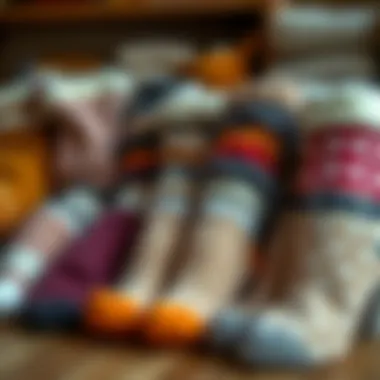

When it comes to achieving that perfect look with fluffy wool socks, understanding how to pair them with different types of footwear is crucial. Sneakers, for instance, create an effortless blend of comfort and style, lending themselves well to everyday wear. Fluffy socks can peek out just above the cuff of a low-cut sneaker, adding a playful touch.
On the other end of the spectrum, ankle boots can be a stunning way to incorporate these socks into your outfit, particularly during the colder months. The combination of the boot's sleek silhouette with the softness of the wool creates a striking contrast. Plus, ensuring your socks are visible, perhaps through a slightly rolled-down pant leg, adds an element of intrigue. Don't forget about loafers or even dress shoes; while not conventional, the right wool sock can soften the formality, bringing balance to a refined ensemble.
Casual Versus Formal Settings
The versatility of fluffy wool socks allows for a wide range of styling options, depending on the setting. In casual environments, such as a weekend gathering with friends or a casual outing, pairing these socks with jeans or casual trousers enables a relaxed vibe. Opt for bright colors or playful patterns to infuse personality into your look.
However, in more formal settings, the expectations shift slightly. While fluffy wool socks might not be the go-to for a tuxedo, they can still make an appearance in business casual attire. Pairing them with tailored trousers and loafers, especially in neutral tones, can strike a balance between comfort and professionalism. Understanding when and where to wear these socks is key; it all comes down to the context and your individual style.
Trendy Patterns and Colors
In recent years, the world of wool socks has embraced a range of trendy patterns and colors, making them not just functional items but also style statements. Stripes, polka dots, and even quirky graphics can breathe life into an otherwise simple outfit. For instance, a bold plaid pattern paired with a monochromatic outfit can create an eye-catching focal point.
Color selection also plays a significant role. Earthy tones resonate well with autumn wardrobes, while vivid hues can brighten up dull winter days. Mixing and matching these patterns with various textures or solids can further enhance the overall aesthetic. Fashion is about expressing who you are, and your choice of wool sock pattern is no different. Always remember to choose what feels right for you.
"Style is a way to say who you are without having to speak."
Cultural Significance
Fluffy wool socks are not just a practical item of clothing; they carry a well of cultural weight that varies across regions and communities. In many cultures, socks made from soft and insulating wool symbolize warmth, comfort, and the importance of hand-crafted textiles. The significance goes beyond mere fashion, tapping into heritage, tradition, and the evolution of societies. By exploring these meanings, we can appreciate how fluffy wool socks connect us to our past while influencing our present-day choices.
Regional Variations
Regional variations of fluffy wool socks are tied closely to the local climate, sheep breeds, and traditional practices. For example, in chilly Scandinavian nations, hand-knit wool socks, known as ullstrumpor, often feature intricate patterns that tell stories of the local flora and fauna. These designs are not merely decorative; they reflect a deep connection between the maker and their environment, embodying a sense of place.
In the Andes of South America, locally sourced alpaca wool produces remarkably warm and lightweight socks. This is a prime example of how local resources dictate both the style and utility of wool socks. The vibrant colors and robust patterns in these socks can often mirror the rich cultural heritage of indigenous tribes, making each pair a representation of identity.
Across various cultures, the materials used and the crafting techniques often vary, but the common theme remains: wool socks are cherished not only for their functionality but also for their role in cultural expression.
- Scandinavian Ullstrumpor – Celebrated for warmth and knit patterns
- Andean Alpaca socks – Lightweight and colorful, signifying local culture
- Scottish Cashmere socks – Renowned for luxury, representing wealth and status
Each of these examples illustrates how different regions uniquely approach the making of fluffy wool socks, infusing them with cultural significance and a sense of belonging.
Wool Socks in Modern Fashion
Wool socks' role in modern fashion is a delightful blend of practicality and aesthetic appeal. In recent years, fashion designers have begun to recognize the versatile nature of fluffy wool socks, incorporating them into both casual and haute couture looks. They're not just cozy staples for winter; they have become a statement accessory. Designers often showcase chunky knit textures and eye-catching patterns, appealing to both traditionalists and modernists alike.
In the contemporary world of fashion, fluffy wool socks have undergone a renaissance. Influential brands have launched lines that feature bold shades and prints, tailored for those who want flair in their footwear. Style icons are seen flaunting these socks paired with loafers or sporty sneakers, blurring the lines between formal and casual attire. This adaptability speaks volumes about their evolution from a utilitarian piece to a stylish necessity.
Significant fashion shows have highlighted the revival of these socks, where they’re often paired with ankle-baring trousers or skirts, presenting an opportunity for showcasing unique designs. The integration of sustainable practices in material sourcing further elevates this trend, making fluffy wool socks not just a fashion statement but also a choice that aligns with ethical consumerism.
“Wool socks are straddling the line between comfort and style, proving that even the simplest of garments can transcend their origins in modern fashion.”
- Celebrities supporting wool socks: Star athletes and trendsetters promote comfort alongside style
- Eco-friendly brands: Growing awareness about sustainable fashion practices assists this trend
- Street fashion: Fluffy wool socks are making their mark on everyday style choices, influencing all levels of fashion.
In summary, fluffy wool socks embody a rich cultural significance that transcends mere functionality. They represent unique regional identities and continue to evolve in the fashion landscape, marrying comfort with style in an era where both are paramount.
Sustainability and Ethical Considerations
In today’s world, where environmental impact weighs heavily on consumers’ choices, the sustainability and ethical considerations surrounding fluffy wool socks deserve close examination. This section delves into critical aspects like eco-friendly sourcing and the broader implications on both sheep welfare and environmental health. The rise of conscientious consumption is reshaping the textiles industry, making it essential to address these matters thoroughly.
Eco-Friendly Wool Sourcing
Eco-friendly wool sourcing refers to practices that minimize environmental harm while ensuring high-quality wool production. Responsible sourcing is vital as it involves methods that respect both livestock and land. Consumers are becoming increasingly aware and are steering away from brands that do not prioritize sustainability.
- Certified Organic Wool: Look for wool certified by organizations like the Global Organic Textile Standard (GOTS). This ensures that the wool is produced without harmful chemicals and adheres to sustainable practices.
- Land Management: Support farms that employ regenerative grazing techniques. Such practices enhance the land’s health and its biodiversity, thereby preventing soil degradation.
- Local Sourcing: Whenever possible, buy from local producers. This reduces the carbon footprint associated with transportation and fosters community economies.
One key player in the sustainable wool market is the Campaign for Wool, which promotes the use of wool as a renewable resource, encouraging ethical production methods and sustainable use of our planet's resources.


Impact on Sheep and Environment
The relationship between sheep farming and environmental stewardship is complex and multi-dimensional. Sheep are often seen as mere commodities, yet they play a significant role in the ecosystems they inhabit. Understanding the impact of wool production helps steer consumers toward more ethical choices.
The following elements are critical to consider:
- Animal Welfare Standards: Ethical sheep farming prioritizes the well-being of the animals. This means providing them with ample space, proper healthcare, and a stress-free environment. Look for certifications that reflect good practices, ensuring that the sheep are raised humanely.
- Environmental Footprint: Traditional sheep farming can lead to land degradation and overgrazing. Sustainable practices mitigate this effect, ensuring that grazing enhances the soil rather than depleting it. For example, managed grazing systems allow pasture regrowth and health.
- Biodiversity and Ecosystems: Healthy sheep population contributes to biodiversity. When properly managed, sheep grazing can promote native plant growth and overall ecosystem balance, helping to combat issues like invasive species.
"Choosing fluffy wool socks that are sustainably produced isn’t just a fashion statement; it’s a pledge towards a healthier planet and humane animal treatment."
In a nutshell, the sustainability and ethical considerations regarding fluffy wool socks not only influence consumer choices but also drive brands to rethink their production methods. As consumers become more educated about the impact of their purchases, they can use their purchasing power to advocate for better practices and more ethical standards in the wool industry.
Selecting the Right Fluffy Wool Socks
Choosing the right fluffy wool socks is crucial for not just comfort but also for the overall health of your feet. In a world bursting with styles, colors, and patterns, making the right choice ensures you benefit from the excellent thermal properties and moisture-wicking capabilities that quality wool socks provide. Whether you're lounging at home, embarking on a winter hike, or just want to feel cozy, selecting the appropriate pair can significantly influence your experience.
Size and Fit
Understanding the nuances of size and fit is essential when selecting your fluffy wool socks. Unlike standard cotton socks, wool socks often come in various thicknesses and designs tailored for different foot shapes. Getting the size right means choosing a sock that hugs your arch without squeezing your toes, ensuring comfort all day long.
- Consider the thickness: Generally, thicker fluffy wool socks are designed for boots or colder weather, while thinner versions may be suitable for shoes. Finding the right thickness will not only keep your feet warm but also prevent bunching.
- Check the dashboard: Many brands offer a size chart based on foot size and width. It has become common to overlook this, but sizes can vary across different manufacturers; what works for one brand may not work for another.
- Try before you buy: If you can, try them on before committing to a purchase. Wiggle your toes to ensure you have enough space and check if any seams irritate your skin, which is a common issue if you have sensitive feet.
Price Versus Quality Analysis
When delving into the world of fluffy wool socks, it s vital to recognize that price doesn’t always equate to quality. While higher-end brands may tout superior craftsmanship and materials, it's essential to assess what you're actually paying for.
- Look for material origin: Socks made from premium merino wool tend to be pricier but can offer unmatched comfort and durability. Cheaper options may use blends that skimp on quality, often leading to quicker wear and loss of form on your feet.
- Evaluate durability: Invest in socks that will last. It’s better to pay a bit more upfront and save money in the long run than to replace cheaper socks every few months. Check reviews online to see if others have experienced good longevity.
- Assess your needs: If you just want something to wear around the house, you may not need to splurge. However, if you're hiking in the mountains or using them for sports, it's worth seeking out higher-quality options that can withstand the wear and tear.
"Good socks are like good friends; they should support you and be there for you when you need them the most."
Selecting the right fluffy wool socks involves balancing these considerations. Finding the perfect blend of size, fit, quality, and price is the key to enjoying the benefits that fluffy wool socks have to offer. By being mindful of your choices, you're setting yourself up for a delightful experience that can keep your feet warm, cozy, and happy.
Longevity and Care
Understanding how to care for your fluffy wool socks is just as important as choosing the perfect pair. Quality socks, when cared for correctly, can serve you for years, bringing comfort through myriad seasons. Longevity and care go hand-in-hand, each influencing the other significantly, and both aspects play a vital role in enhancing your overall experience with wool socks.
Caring for your fluffy wool socks isn't merely about aesthetics; it's about ensuring that they retain their functional properties. Wool has inherent qualities like moisture-wicking and temperature regulation, but these can diminish if the socks aren’t cared for properly. By adopting specific maintenance practices, users can preserve these qualities and prolong the lifespan of their beloved socks.
Washing Techniques
Caring for fluffy wool socks begins with washing. Unlike standard cotton options, wool requires a gentler touch. Here are some foundational tips to keep your socks in tip-top shape:
- Hand Washing: It can be tedious, but hand washing wool socks with cold water and a mild detergent is the safest method. This approach minimizes friction and preserves the softness of the fibers.
- Machine Washing: If you choose the machine, always opt for a delicate cycle with cold water. Utilize a laundry bag designed for delicate items to safeguard against snags.
- Avoid Fabric Softeners: Although it might seem counterintuitive, fabric softeners can coat wool fibers and hinder their natural breathability, making them less effective at moisture-wicking.
- Drying: After washing, avoid the tumble dryer. Instead, air dry your socks flat on a clean surface, away from direct sunlight, as that can cause colors to fade.
Following these washing techniques will prolong the life of your fluffy wool socks and make sure the comfort remains intact.
"Taking the time to care for your socks pays off in comfort and longevity — they’ll keep your feet warm and cozy for many winters to come.”
Storage Solutions
Proper storage is often overlooked but can greatly influence the longevity of wool socks. Here are some recommendations:
- Cool, Dry Place: Store your socks in a cool, dry area, away from moisture that can lead to mildew.
- Avoid Compression: Don't wad your socks into a ball. This can cause creasing and affect the fit. Instead, fold them gently and stack them in your drawer.
- Moth Protection: Wool is particularly vulnerable to moth damage. Consider using natural moth repellents, like cedar, which not only protects the fabric but imparts a pleasant scent.
- Regular Inspection: Over time, be sure to inspect your wool socks for signs of wear or damage. Early detection of tiny holes or fraying can keep them from turning into unwearable pairs.
By implementing these simple storage solutions, you can protect your investment and enjoy fluffy wool socks for years to come.
Epilogue
Understanding the significance of fluffy wool socks is key to appreciating their role in both comfort and fashion. Throughout this guide, we've explored the materials, benefits, cultural relevance, and care needed to maintain these treasured items. Not only are fluffy wool socks a staple for warmth and coziness, but they also bridge the gap between casual and elegant wear.
The practical benefits, such as excellent thermal management and moisture-wicking properties, make them a preferred choice for many. Ultimately, well-crafted wool socks provide not just style, but durability too. Knowing how to select the right pair—taking into account size, fit, and quality—ensures you invest wisely in this essential accessory.
When it comes to styling, the versatility of fluffy wool socks allows for creativity in ensembles, matching perfectly with a variety of footwear from clogs to stylish ankle boots. Moreover, their patterns and colors cater to personal tastes while making bold style statements.
As we've also seen, addressing sustainability and ethical sourcing affirms that fluffy wool socks can be a conscientious choice for consumers who are increasingly aware of environmental issues. By prioritizing eco-friendly production and ethical sheep farming, we can support practices that benefit not only us but also our planet.
"Choosing the right fluffy wool socks doesn't just elevate your comfort levels; it also strengthens your fashion game while nurturing sustainability."