Create Your Unique Sock Design with Personal Images

Intro
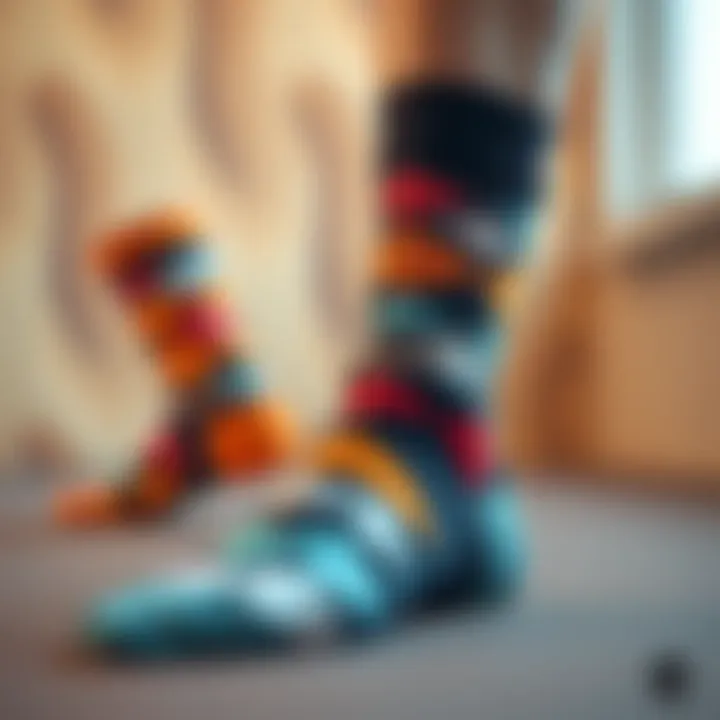
Designing your own socks is much more than a fun craft; it has become a statement of individuality in modern fashion. What often feels like an underappreciated accessory transforms into a canvas for personal expression. This guide offers a detailed perspective on how to navigate the creative waters of sock design, bringing your visions to life while considering both aesthetic appeal and wearability.
Today's fashion landscape embraces customization, allowing individuals to break away from cookie cutter styles. Whether you're considering a run-of-the-mill pair to cozy up in or to flaunt on social media, socks have evolved to become an essential part of one's outfit. In creating this guide, we delve into the contemporary trends, the significance of personalized expression, and practical approaches to making unique sock designs that speak volumes about who you are.
With each section, we invite readers - from aspiring designers to those looking for a personal touch - to explore the tools, techniques, and insights essential for crafting socks that are stylish and representative of personal narratives.
Let’s step into the world of sock design and see where your imagination can take you!
Prelude to Custom Sock Design
The world of fashion is replete with opportunities for individuality, and sock design is no exception. Personalized socks can serve as a canvas of artistic expression and a subtle nod to one's identity. Custom sock design has become increasingly popular, not just for personal enjoyment, but also as a viable option for brands seeking to connect with consumers on a deeper level.
In this segment, we explore the importance of customized sock design, touching on various elements that underline its appeal. Personalization not only adds flair to what was once a mundane accessory but also allows for a unique connection between the creator and the wearer. When a person wears socks that reflect their taste or symbolize a cherished memory, it transforms the way they view this basic garment.
Moreover, with the rise of DIY culture and personalized fashion, custom sock design fosters creativity and encourages individuals to harness their imaginative potential. It enables them to make a statement, bolstering their sense of belonging in various communities—from sneaker enthusiasts to those with an eye for whimsical artistry. As commerce shifts toward experiences rather than just products, the allure of designing custom socks draws interest from both artists and consumers.
Personalization in fashion speaks volumes to the wearer. It tells a story about who they are, what they value, and where they come from.
This journey into sock design also considers the practicality of solid design techniques, the tools and resources needed, and best practices for bringing ideas to life. With the right approach, anyone can master their unique style of sock creation.
Understanding the Appeal of Personalized Accessories
Personalized accessories have a magnetic charm. They resonate with consumers who seek to distinguish themselves in a world saturated with manufactured similarity. When individuals invest time and creativity into the design of their accessories, it often leads to a stronger emotional connection to the item itself.
For socks, this appeal can be particularly significant. Wearing a pair of socks that represent a favorite pet, a beloved hobby, or a vibrant color scheme can profoundly increase emotional satisfaction. Imagine slipping on a pair of socks adorned with an intricate design inspired by a family vacation—this is not just about covering one's feet; it’s about embodying memories.
Additionally, custom designs reflect personal style in a way that mass-produced options simply cannot. They cater to niche markets and unique consumer needs, providing a sense of exclusivity that many find desirable. This leads to the rise of brands that focus on custom options, allowing clients to infuse personality into even the most trivial items.
The Cultural Significance of Socks in Fashion
Socks are often overlooked in the fashion discourse, but their impact is significant. Historically, socks have evolved from being a mere utility to becoming a potent fashion statement. They occupy a unique space within the clothing hierarchy, often surprising in their ability to transform an outfit’s aesthetic.
In different cultures, socks hold diverse meanings. In some places, they symbolize practicality and comfort, while in others, they reflect fashion innovation and artistic expression. Think about it—vibrant patterns and daring textures can elevate a simple ensemble, breaking the monotony of traditional attire.
As fashion continues to evolve, so does the cultural significance of socks. They serve not just as protective garments, but also as vehicles for individual expression and cultural commentary. By embracing custom sock design, individuals can claim their space in the ever-changing world of fashion—contributing to discussions about identity, creativity, and belonging while also enjoying a cozy fit.
The Design Process: An Overview
Designing custom socks is more than just a creative exercise; it's an intricate journey that pushes you to consider various elements, from inspiration to target audience, and ultimately to the execution of your ideas. Understanding the design process gives you a solid foundation to create socks that are not only visually appealing but also functional and marketable. This section covers the essential steps involved in the design process, highlighting the significance and benefits of each phase.
Identifying Your Design Inspiration
Finding the right design inspiration is crucial as it sets the tone for your project. This phase is where your creativity shines through. It allows you to draw from various sources, be it personal experiences, current trends, or the wonders of nature. Each of these avenues has its own appeal and can greatly influence the final product.
Drawing from Personal Experiences
When creating custom socks, leaning into your own life experiences can add a profound layer of meaning to your designs. Personal stories or memories can infuse socks with a sense of nostalgia or sentimental value. For example, if you’ve traveled to a unique place, incorporating elements of that location can create a special connection with the wearer. The key characteristic of this approach is its authenticity; it brings your genuine self to the forefront.
That said, while drawing solely from personal experiences can be unique, it may sometimes limit appeal. If your story does not resonate with a wider audience, it can be a challenge. However, the warmth and sincerity derived from such designs often outweigh this drawback, making this approach a favored choice for many.
Incorporating Trends and Styles
Keeping up with current trends is essential for any designer, and it holds true in the realm of custom sock design as well. Understanding what's hot at the moment can help you create socks that not only resonate with your style but also align with market demands. The key characteristic of this method is its relevance; trendy designs tend to gain quicker attention from consumers.
Yet, there’s a flip side. Trends often shift rapidly. A design heavily based on a fleeting trend may not hold its value over time, leading to potential waste of effort and resources. Striking a balance between trendiness and a hint of personal flair can ensure both immediate appeal and lasting satisfaction.
Utilizing Nature and Surroundings
Turning to nature for inspiration opens a world of possibilities when designing socks. The colors, patterns, and textures found in the natural world can serve as exquisite influences. For instance, creating a sock design that mirrors floral patterns or the colors of a sunset can evoke feelings of serenity and beauty.
Nature-inspired designs often have a universal appeal due to their inherent beauty and the positive emotions they can evoke. However, caution is needed—what’s appealing to one pair of eyes might not be to another. Plus, if your vibe strays too far into abstract interpretations, you could risk creating something that disconnects from the intended audience. Finding the right balance ensures your socks can intrigue without alienating.
Defining Your Target Audience
A crucial aspect of successful sock design lies in knowing who your audience is. Identifying your target audience allows you to tailor your designs specifically to their wants and needs, ensuring that your creation doesn’t just sit pretty but sells well.

Understanding Client Needs
Understanding client needs involves digging deep into your audience's preferences, habits, and lifestyles. Knowing what features they desire—be it comfort, aesthetics, or even price—can significantly improve your design process. A key characteristic of this approach is the personalization element; when clients feel like a product is made with them in mind, it boosts satisfaction and loyalty.
Nonetheless, this approach demands continuous research and adaptation. Trends can change, and so do consumer preferences. Thus, staying engaged with your audience is paramount to keep your designs aligned with their evolving needs.
Creating for Niche Markets
Focusing on niche markets can be a savvy move for designers seeking to stand out. Whether it’s designing socks for athletes or creating them for a specific subculture, a niche market allows for targeted creativity and often less competition. The key characteristic of this strategy is focus; by honing in on a specific group, you can more easily understand their desires and craft designs specifically for them.
However, designing for a niche can also come with its challenges. The market size may be limited, affecting potential sales. Furthermore, if you misread the needs of the niche, it could lead to wasted efforts. The potential, of course, lies in getting it right and creating loyal customers who appreciate the specialized offering.
With a clear understanding of design inspiration and your target audience, you set the stage for effective sock design. The creativity you infuse into the process alongside comprehensive market insights can lead to an impressive product line.
Techniques for Effective Sock Design
When venturing into the world of custom sock design, understanding specific techniques can make all the difference. The art is not just about slapping a few images onto fabric; it’s about crafting a statement, an identity. Techniques in sock design encompass various elements such as color theory, fabric selection, patterns, and imagery. These components can elevate your socks from mundane to a show-stopping piece that promises functionality while reflecting personal style.
Color Theory and Its Impact
The Psychology of Color
Colors aren’t just pretty; they evoke feelings, stir emotions, and even convey messages. For instance, blue often resonates with calmness and reliability, making it a popular choice for designs intended to communicate trust. Such psychological aspects are key to sock design as they can influence the wearer’s mood or enhance the overall aesthetic. A standout feature lies in the consistent associations colors hold—using red can signify passion or energy, and green often brings to mind tranquility.
Yet, caution is warranted. Overuse of certain colors can lead to garishness or disconnect from the desired emotional context. Understanding this dynamic helps ensure your creations align with whatever vibe you intend to communicate.
Choosing a Color Palette
Selecting a color palette is akin to writing a symphony; every choice influences the final masterpiece. A well-thought-out palette creates harmony among various elements, whether they be patterns or textures in a sock design. The key characteristic here is coherence; colors should complement one another while serving the purpose of the design. For example, using monochromatic shades may convey sophistication, while vibrant contrasts might scream playfulness.
However, the unique consideration is in the balance—too many conflicting colors can be overwhelming rather than uplifting, making the socks less appealing. Striking the right balance therefore ensures that your designs remain visually engaging without being chaotic.
Patterns and Textures: Adding Depth
Exploring Different Fabrics
Fabrics influence not only the feel of the sock but also its visual impact. Just like a painter chooses the right canvas, a designer must consider fabric properties that can enhance or detract from the design. Different materials provide varying textures, from the sleekness of nylon to the rustic feel of cotton. Each brings unique benefits—nylon is durable and sleek, making it apt for eye-catching prints, while cotton offers comfort for day-to-day wear.
But, different fabrics come with their own challenges too. For instance, certain patterns might bleed or lose detail when printed on knit or stretch fabrics versus woven ones. Therefore, knowing your materials can lead to much more satisfying sock designs.
Using Patterns to Enhance Design
Patterns add an extra layer, not just visually but also conceptually. They can reinforce themes or narratives within your design, allowing wider expression of personality or brand identity. Opting for geometric shapes might lend a modern feel, while floral patterns can soften the design and impart a vintage vibe.
Nonetheless, thoughtful application is essential here. A single bold pattern can dominate, while a cacophony of different patterns can confuse the viewer's eye. So, it’s imperative to test different combinations to find patterns that work well together, creating a rich yet balanced visual experience.
Incorporating Imagery: Best Practices
Selecting Appropriate Images
Imagery is a powerful tool in custom sock design and can tell stories or highlight brand ethos. The right image can connect with an audience on various levels—be it through nostalgia, humor, or artistry. Consideration of how an image resonates with potential wearers is crucial; for example, using nostalgic symbols can evoke a sense of connection.
However, you must be cautious about the resolution and clarity of images used. Lower quality can lead to disappointing results, where finer details get lost and desired effects come across as sloppy. Therefore, for successful designs, only high-resolution and relevant images should be chosen.
Positioning and Scaling Imagery
How you position and size images on your socks can drastically change their effectiveness. A well-placed image can capture attention right away, while poorly positioned designs may leave potential customers baffled or disengaged. Aligning your imagery with key sock features, such as the ribbed areas or cuffs, can create a seamless look that’s both pleasing and practical.
Yet, over-scaling can also be an issue. If an image is too large, it might overpower the sock, detracting from other design elements. Conversely, too small can make it feel insignificant. Balancing these factors is essential for achieving a polished, thoughtfully considered sock design.
Mastering effective techniques in sock design paves the way for unique expression and connection to wearers. Adapt these principles carefully, and you’re sure to craft pieces that are not just worn, but cherished.
Tools for Designing Your Socks
When diving into the world of custom sock design, understanding the right tools is akin to having a well-fitted pair of socks before you start your journey. The right tools make the process smoother, enhance creativity, and can significantly impact the final product. From software that helps in the initial design concepts to physical resources for creating prototypes, every tool serves a unique function in executing your vision. Let’s break down these essential components.
Software and Applications for Design
Graphic Design Programs
Graphic design programs are the bread and butter of any designer's toolkit. They offer a vast array of features that cater to various design needs. A notable characteristic of these programs is their robust functionality. They allow for intricate designs by providing tools for layering, color manipulation, and image editing.
The most popular programs, such as Adobe Illustrator and CorelDRAW, stand out due to their versatility and advanced capabilities. These programs also facilitate precise detailing. This level of detail is essential when applying designs to socks where the ethos of personalization meets high-quality execution. However, one must also consider the learning curve associated with such advanced software. Familiarization can be time-consuming, but once mastered, the creative possibilities are limitless.
The beauty of graphic design programs lies in their ability to transform a simple idea into a detailed, actionable design.
Online Customization Platforms
On the flip side, online customization platforms provide a more user-friendly approach to sock design. These platforms, like Printful and Custom Ink, are tailored for those who prefer simplicity in their design process. The standout feature here is their ease of use; you can start designing in mere minutes. Users can upload images, choose sock styles, and adjust color themes without needing advanced design skills.
The advantage of online platforms is their accessibility for beginners and those less technologically savvy. However, the downside might be the limitations they impose on complex designs. While they enable quick mock-ups, they may not cater to every detail or customization that a graphic design program would permit.
Physical Resources for Prototyping
Choosing the Right Fabric
Fabric choice plays a critical role in sock design. It impacts comfort, durability, and overall aesthetic. Key characteristics of materials such as cotton, wool, and blends affect their elasticity and softness. For instance, cotton is highly breathable, making it an excellent choice for everyday wear. On the other hand, wool provides warmth and is generally more suited for colder climates.
Selecting the right fabric is not just a matter of preference but also functionality. This decision can greatly affect how well the designs transfer when printed, as certain fabrics hold colors differently under various printing techniques. However, there are also drawbacks to consider; some fabrics can be pricier or may require special care, which can complicate production.
Equipment for Initial Samples
Once the design is in place and the fabric selected, having the right equipment for prototyping is essential in bringing your sock designs to life. From knitting machines to sewing tools, the equipment used for producing initial samples can dictate the quality of the final product. Basic equipment might include a commercial sewing machine and a simple knitting machine to allow for quick sampling.
A unique feature of this equipment is the ability to create small batches of prototypes before committing to larger production runs. This cost-effective approach allows designers to test designs and receive feedback without investing heavily upfront. However, variations in equipment quality can also lead to inconsistencies in samples, which is an important consideration for any designer.
By combining digital tools with tangible resources, aspiring sock designers have more access than ever to bring their unique visions to fruition. Thoughtful selection of both software and physical materials will ultimately enhance the design experience and lead to successful custom sock creation.
Production Methodologies
In the journey of crafting custom socks, production methodologies stand as a pivotal chapter that ensures your imaginative designs come to life with precision and quality. Understanding the nuances of these methodologies not only enhances the overall design but also impacts the durability and marketability of your product. Whether a novice designer or an experienced professional, grasping the importance of production methodologies is crucial.
Choosing the right production method can make all the difference in achieving the desired aesthetics and functionality of your socks. Here, we'll examine two dominant methodologies: digital printing and traditional techniques, as well as the critical aspect of quality control in custom sock manufacturing.
Digital Printing vs. Traditional Techniques
Digital printing has revolutionized the sock design landscape, allowing for intricate designs and vibrant colors to be printed directly onto fabric. This method employs advanced inkjet technology, which means you get a vast range of colors and patterns without the need for separate screens. It's cost-effective for small runs too, as it eliminates the setup costs associated with traditional methods.
On the flip side, traditional techniques such as screen printing can offer a tactile quality that some designers and customers appreciate. With screen printing, inks are pushed through a mesh screen, which can create thick textures and a unique feel on the fabric. This technique can also be more suited for larger production runs, as the cost per unit decreases with bulk orders.
To summarize, here’s a quick comparison:
- Digital Printing
Pros:Cons: - Traditional Techniques
Pros:Cons:
- High color accuracy
- Cost-effective for small batches
- Quick turnarounds
- May not work well on all fabrics
- Limited texture options
- Rich textures and finishes
- Suitable for mass production
- Higher initial costs
- Longer setup time
The choice between digital printing and traditional techniques hinges on your specific design concepts, target audience, and budget constraints. Be sure to weigh these factors carefully.
Quality Control in Custom Sock Manufacturing
Ensuring that every pair of socks meets high standards of quality is imperative for establishing a trustworthy brand. Quality control in custom sock manufacturing involves systematized measures to inspect and assess each stage of the production process. From raw materials to the final product, implementing strict quality checks can prevent costly errors and enhance customer satisfaction.
Key elements of effective quality control include:
- Material Selection: Quality fabrics are the foundation of great socks. Opt for durable materials that align with the design intent.
- Production Testing: Regularly test prototype samples to catch any inconsistencies early in the process. This proactive approach can save time and resources.
- Final Inspection: Before packaging, inspect the final product for design accuracy, stitching quality, and overall presentation.
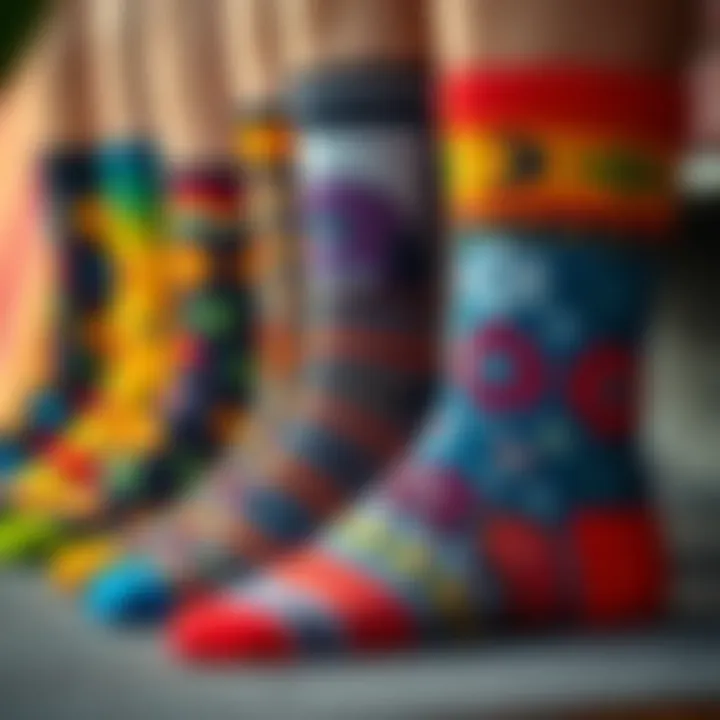
A brand that prioritizes quality often wins loyalty and repeat business. Incorporating quality control into every stage of manufacturing is not just a best practice; it’s essential for sustaining a reputable identity in the custom fashion world.
Ultimately, the integration of robust production methodologies coupled with diligent quality assurance will ensure that your custom socks resonate with both style and function, leading to successful designs that stand out in the marketplace.
Best Practices and Tips for Success
When it comes to designing custom socks, knowing best practices can make all the difference between just another pair of socks and a standout piece of wearable art. In the world of fashion, details matter immensely; they can be the difference between a concept that resonates and one that simply doesn't catch on.
Creating a Cohesive Design
A design that feels pieced together from different ideas often falls flat. Instead, it's essential to aim for cohesion. A well-rounded design ties together elements like colors, patterns, and imagery in a way that tells a story. Consider how various components interact:
- Color Schemes: Stick to a limited color palette; using three to five key colors can create harmony.
- Patterns: Choose patterns that complement one another instead of conflicting. For instance, pairing stripes with polka dots can be hit-or-miss, depending on their colors and sizes.
- Imagery: Ensure that any images used align with the overall theme. If you're going for a whimsical look, choose playful graphics that evoke that feeling.
These elements must work in unison to result in a polished final product. Take time to sketch your ideas and maybe even create mock-ups using software to visualize your design. This practice can save you from costly mistakes later in production.
Testing and Feedback Mechanisms
No design, regardless of how striking, will fulfill its potential without proper testing and feedback. Engaging others in the evaluation process is critical. Start by gathering feedback from a diverse audience; this can include friends, family, or even potential customers. Here are some practical steps to follow:
- Create Prototypes: Before diving headfirst into large-scale production, make a few samples. This allows you to see how your designs translate into a physical form.
- Gather Opinions: Utilize surveys or simple conversations to ask others what they think. Questions like "What stands out to you?" or "Does this design resonate with your style?" can yield valuable insights.
- Refine Based on Input: Be ready to adapt. Perhaps the color is off, or the imagery needs tweaking. Feedback is most useful when you’re willing to apply it.
"Feedback is the breakfast of champions." This adage holds especially true in creative fields. Testing your designs ensures they meet both aesthetic appeal and user expectations.
When you implement these best practices, you cultivate an environment ripe for creativity. Not only do they enhance your design quality, but they also pave the way for a successful product launch.
Marketing Your Custom Sock Designs
Effectively marketing your custom sock designs is essential for capturing attention in a crowded fashion space. Personalized accessories like socks are not merely functional; they are reflections of one's style and personality. Enhancing visibility in today's saturated market involves more than just showcasing your designs. It requires strategic thinking and execution in how you present your brand and connect with your audience. Here are several key elements to consider when marketing your custom socks.
Building a Brand Identity
Creating a strong brand identity is the backbone of any successful marketing strategy. The goal here is to position your sock designs as more than just products—they should tell a story or evoke an emotion. Start by defining what makes your design distinctive. Are your socks quirky, stylish, or environmentally friendly?
- Narrative: Build a compelling narrative around your brand. This could echo through your design choices, packaging, and communication style.
- Visual Elements: Invest time in establishing a unique logo and color palette that resonates with your designs. You want potential customers to instantly recognize your brand just by looking at them.
- Consistency: Maintain consistency across all platforms. Whether it’s your website, social media, or advertisements, ensure that your brand voice and visuals remain cohesive.
Utilizing these elements will not only build recognition but also foster a sense of community around your brand. Consumers are more likely to engage with a brand that feels authentic and relatable.
Utilizing Social Media for Promotion
In this digital age, social media serves as an invaluable tool for promoting custom sock designs. A robust online presence can turn your intricate designs into a household name rapidly. Here are some strategic tactics for leveraging social media effectively:
- Engaging Content: Post eye-catching images and videos of your designs in action. Show how they can be styled in various outfits or used in everyday life.
- User Engagement: Encourage your followers to share photos of themselves wearing your socks. User-generated content not only provides social proof but also builds community. Use a specific hashtag for your brand to streamline posts.
- Collaborations: Consider partnering with influencers or other brands to reach new audiences. When well-executed, collaborations can widen your reach and enhance credibility in the market.
- Targeted Ads: Utilize paid advertising options on platforms like Facebook and Instagram. These tools allow you to target specific demographics based on interests and behaviors, which can significantly improve your visibility.
"Social media is not just a marketing tool; it's a way to create a dialogue with your audience."
When executed thoughtfully, social media can amplify your marketing efforts and help you cultivate a loyal customer base. It's about more than just make sales—it's about creating lasting relationships with those who appreciate your unique approach to sock design.
Deploying these strategies will provide a solid foundation for launching and marketing your custom socks. Each avenue opens new opportunities to connect with your audience while elevating your brand identity.
Epilogue: The Future of Custom Sock Design
The landscape of custom sock design is not merely a reflection of aesthetic preferences; it encapsulates shifts in consumer behavior, advances in technology, and broader trends in fashion. As individuals seek more ways to personalize their wardrobes, socks — often seen as an afterthought — are emerging as a canvas for creative expression. The role of custom socks in contemporary fashion should not be underestimated. They serve as a means to articulate identity, celebrate uniqueness, and even act as a statement.
Trends to Watch in Custom Fashion
The customization trend continues to assert its influence in the fashion realm, and socks are no exception. Here are several important developments to keep on your radar:
- Sustainability: Eco-friendly materials are becoming essential, with consumers more aware than ever about their environmental footprint. Brands offering organic cotton or recycled fabrics tend to attract a more conscientious clientele.
- Limited Editions: Exclusive designs or short-run collections are trending. This strategy cultivates a sense of urgency and exclusivity, encouraging buyers to act quickly.
- Collaboration: Partnerships between designers and artists are blossoming. Such collaborations often generate unique patterns and themes that resonate with diverse audiences, making each sock more than just an accessory.
- Personalization Software: Enhanced design tools and software are becoming more user-friendly. When people can easily modify colors, patterns, or images, they are more likely to invest in custom pieces.
To put it another way, the key to standing out in the market lies in tapping into what consumers truly value—authenticity and originality.
The Role of Technology in Design
Technology plays a crucial role in the evolution of custom sock design. Innovations like digital textile printing have transformed the possibilities for color and pattern application. These advancements offer:
- Precision: Digital printing allows for intricate designs that traditional methods can't provide, allowing for greater creativity.
- Flexibility: Designers can make adjustments easily and quickly, reflecting trends in real-time.
- Automation: Improved production methods streamline the manufacturing, making it easier for small brands to thrive alongside larger established names.
- Feedback Loops: Online platforms enable immediate consumer feedback. Designers can evaluate preferences and modify their creations continually, keeping pace with shifting demands.
As technology continues to advance, it becomes integral to maintaining a connection with consumers. In this dynamic environment, ensuring that designs not only reflect the individual artist's vision but also accommodate real-world practicalities is essential.