Exploring the Cultural Impact of Hawaiian Flower Clips
Intro
Hawaii flower clips, often characterized by vibrant colors and intricate designs, are more than just accessories; they embody the culture and spirit of the islands. These floral ornaments, which can be spotted in hair and fashions across the globe, carry a significance that resonates deeply with both locals and visitors alike. From traditional hula performances to modern-day runways, the allure of these flower clips transcends generations.
In this article, we will navigate through the cultural backstory of these adornments, examining their evolution and their impact on both everyday wear and high fashion. We will highlight the materials utilized in their creation and the contexts in which they are typically worn, illuminating the multifaceted nature of these clips as both cultural symbols and contemporary fashion statements.
Latest Trends and Styles
Seasonal Fashion Highlights
With the seasons changing, the use of Hawaii flower clips also shifts in style and preference. In the summertime, bright, tropical shades predominate, often featuring plumeria and hibiscus, reflecting the lush beauty of Hawaiian landscapes. As fall rolls around, deeper colors emerge, allowing for richer tones that blend seamlessly into autumnal palettes.
- Spring: Floral pastels and vibrant yellows dominate, especially in celebration of luaus or outdoor weddings.
- Summer: Bold hues give a lively pop to beachwear and casual outfits.
- Autumn: Rich reds and deep oranges come to play, often seen in agricultural fairs or harvest celebrations.
- Winter: Darker blooms, sometimes made of faux flowers, appear on party costumes or holiday-themed gatherings.
Influencer Style Inspiration
Social media platforms like Instagram have taken the concept of Hawaii flower clips to new heights. Influencers, particularly those in the fashion and travel spaces, have integrated these accessories into their daily wear, sparking further interest in their aesthetic appeal. For instance, a popular fashion blogger recently shared a post featuring a stunning hair arrangement with a delicate plumeria clip, invoking comments from followers who appreciated the balance of tradition and modern style.
Not just for casual days, prominent styles in high fashion—like the ones showcased during Hawaii Fashion Week—feature elaborate uses of flower clips, often adorning models on the runway. These stylish interpretations not only emphasize the perennial fascination with the islands' aesthetic but also push the envelope on how such cultural items are incorporated into global fashion narratives.
Expert Insights
Fashion Industry Analysis
Experts within the fashion industry often reflect on the duality of Hawaii flower clips. On one hand, they possess cultural gravitas, while on the other, they serve as focal points in contemporary fashion. Various shows and reports suggest that their place on the runway indicates shifting trends towards embracing authenticity and sustainability in fashion. This also speaks volumes about consumers' desire for items that carry a story or cultural weight.
Sustainable Fashion Practices
As discussions about sustainability heighten, many designers are leaning into eco-friendly practices. Artisans creating Hawaii flower clips are increasingly opting for sustainable materials—like recycled fabrics or responsibly sourced flowers. This aligns with broader movements toward ethical fashion choices within the industry. A notable initiative includes workshops that teach the making of these clips using natural dyes and materials, combining creativity with environmental consciousness.
"Hawaii flower clips symbolize not just beauty but also a connection to the land and its rich cultural heritage. In the modern context, they represent a merging of tradition and sustainability in fashion."
— Expert in Hawaiian cultural fashion
By focusing on these various aspects, it becomes clear that Hawaii flower clips are not only beautiful adornments but are also essential in understanding the complexities of cultural narratives and evolving fashion landscapes. Stick around as we offer a deeper dive into their significance and influence across both time and trends.
Understanding Hawaii Flower Clips
Hawaii flower clips embody a vibrant fusion of culture and artistry, bringing forth a deep sense of identity rooted in Hawaiian tradition. These floral accessories serve not just as ornamental pieces but also as an expression of individuality and cultural pride. Thus, understanding Hawaii flower clips is crucial for anyone involved in fashion, design, or cultural studies. They offer unique insights into how nature and human creativity intersect to form meaningful expressions.
Appreciating these clips extends beyond mere aesthetics; it includes recognizing their significance in ceremonies and everyday life in Hawaii. They have become powerful symbols that connect people to their cultural heritage. By examining their forms and the flowers used, one can discern layers of meaning that go well beyond surface appeal—this is what makes their study so compelling.
Definition and Overview
Hawaii flower clips are decorative hair accessories usually made from real or artificial flowers, designed to be worn primarily by women. These clips typically include various indigenous blossoms such as hibiscus, plumeria, or orchids, adorned onto hairpins, headbands, or other fasteners. Their purpose is to add a touch of elegance and island flair to hairstyles, making them popular among both locals and tourists.
The versatility of flower clips means they can be utilized for various occasions, ranging from leisure outings to significant ceremonies like weddings or hula performances. They capture the essence of Hawaii's lush flora and the island's aesthetic values, encapsulating a way for wearers to honor their surroundings while making a fashion statement. The appeal lies in their ability to communicate style and personality, often chosen based on the flower's characteristics that resonate with the wearer’s identity.
Historical Background
The roots of Hawaii flower clips can be traced back to ancient Hawaiian customs when flowers symbolized significance and rank within society. Flowers were used by Hawaiian royalty and were essential elements in ceremonies, indicating social status and family lineage. For common folk, wearing flowers or ornamenting one’s hair with floral accessories was a way to connect with nature and express individuality.
In the 19th century, when Western influences began to seep into the islands, the traditions surrounding flower clips evolved. While maintaining their cultural essence, they began to adopt styles influenced by European fashion. The creation of flower lei culminated in adopting flower clips, blending traditional Hawaiian elements with contemporary tastes. Today, flower clips have become emblematic of Hawaiian culture, embraced by locals during festivals and events, further cementing their relevance in both a historical and modern context.
As enthusiasts study these flower clips, it’s important to acknowledge how they reflect the interplay of cultural evolution, artistic expression, and the intricate relationships between people and their environment. Understanding the historical background of Hawaii flower clips adds depth to their appeal, enriching the discourse surrounding Hawaiian cultural artifacts.
Cultural Significance
The cultural significance of Hawaii flower clips extends beyond mere decoration; they embody the spirit of the Hawaiian Islands and serve as a vivid representation of local customs. These floral accessories act as a bridge between the past and present, anchoring individuals to their heritage while also appealing to contemporary fashion sensibilities. When one wears a flower clip, it’s not just an aesthetic choice; it’s an homage to history and a celebration of identity.
Hawaiian Traditions
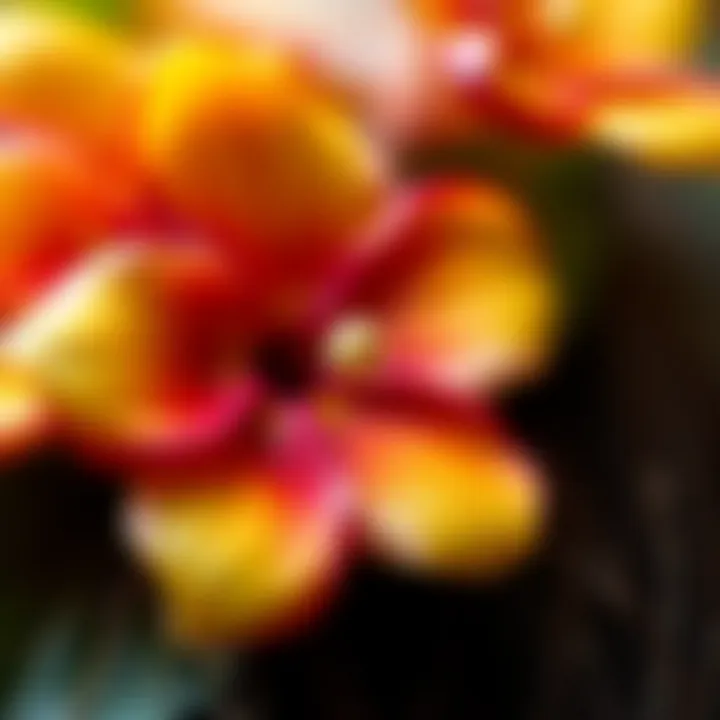
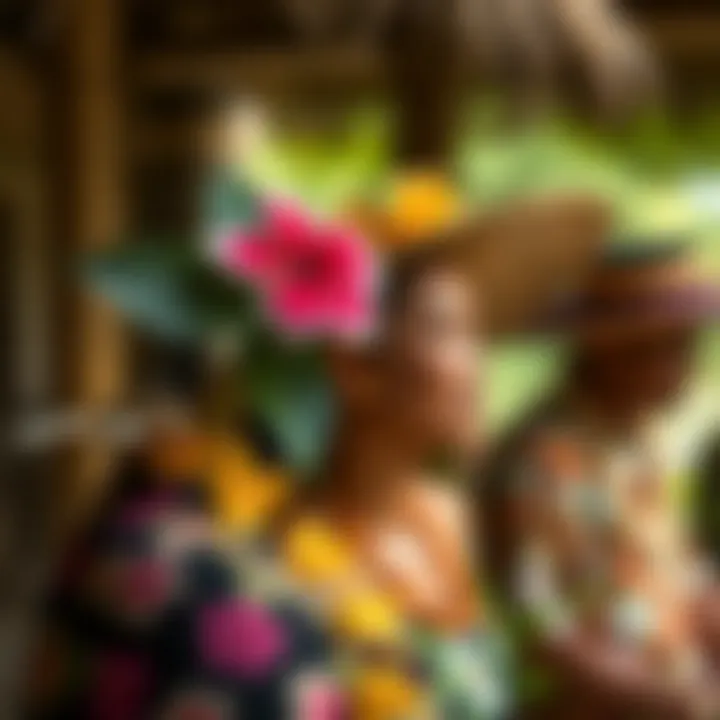
In Hawaii, traditions surrounding flower clips are deeply intertwined with the local lifestyle. Flower leis are perhaps the most recognized form of floral adornment and are often made from flowers such as hibiscus and plumeria. Traditional practices dictate that a flower placed behind the right ear signifies a romantic relationship, while a flower worn behind the left ear indicates that the bearer is "available." This simple gesture encapsulates social interaction and communication in Hawaiian culture.
The act of crafting these flower clips can also embody ‘Aloha Spirit’, showcasing the islanders’ dedication to hospitality and warmth. \n For many, creating or gifting a flower clip recognizes not only appreciation for ‘Ohana’ (family) but also respect for the land from which these blooms are harvested. Each flower has a story, reflecting values such as love, friendship, and honor. Thus, the flower clip is not simply an accessory; it’s a badge of cultural pride.
Symbolism of Flowers
Flowers carry specific meanings in Hawaiian culture, often linked to the land's rich mythology and storytelling traditions. For example, Hibiscus symbolizes beauty, while Orchid represents delicate charm. When intertwined into hair clips, these flowers speak volumes about the wearer’s personality and intentions.
"In Hawaiian culture, each flower tells a story, connecting us to our ancestors and the lessons they imparted.”
This poignant statement illustrates the importance of selecting the right flower for the occasion, as it can convey various messages—romantic, celebratory, or commemorative. The visual appeal of these flower clips encourages creativity, where wearers might choose to mix and match different flowers, colors, and styles, reflecting their unique identity.
Cultural nuances come into play as well. In Hawaiian mythology, the flower represents the goddess of love, Pele, serving as a reminder of the intertwining of nature and human emotion. Wearing a flower clip adorned with these blooms can be seen as celebrating the divine energy that resonates throughout the islands. As a subtle yet profound expression of cultural significance, Hawaii flower clips are not simply a beautiful addition to one’s attire; they embody the very essence of aloha.
In summary, the cultural significance of Hawaii flower clips is embedded in tradition, symbolism, and identity. These floral accessories not only enhance personal style but also enhance the connection to Hawaiian heritage, showcasing the intricate relationship between nature, culture, and personal expression.
Design Variations
When discussing Hawaii flower clips, an exploration of their design variations is essential. This encompasses not only the types and styles of flowers chosen but also the various techniques used in their craftsmanship. These elements contribute to the overall cultural and aesthetic significance, making them not just accessories, but profound symbols of Hawaiian heritage.
Types of Flowers Used
The flora of Hawaii is as diverse as its culture, making the choice of flowers for clips both significant and vast. Among the most popular flowers used are the plumeria, hibiscus, and orchid. Each of these holds special meanings and representation.
- Plumeria: Known for its intoxicating fragrance, the plumeria is a common choice, symbolizing positivity and new beginnings. Often, a plumeria in the hair signifies that a woman is available for romance, while placing it on the right side indicates she is taken.
- Hibiscus: The vibrant hibiscus not only stands out visually but also carries the connotation of beauty and fragility. This flower often represents grace, its intoxicating bloom captivating anyone who lays eyes on it.
- Orchid: Orchids, particularly the purple variety, symbolize dignity and elegance. The intricate patterns and delicate structure of this flower add an air of sophistication to any outfit.
The selection of these flowers is influenced not only by their aesthetic qualities but also by their cultural significance. Together, they help weave a narrative that connects the wearer to the rich traditions of Hawaii, skipping from generation to generation through floral representation.
Craftsmanship Techniques
The craftsmanship behind Hawaii flower clips varies greatly, reflecting the island's rich traditions and the skill of artisans. Creating these clips involves a deep understanding of materials and techniques, ensuring that each piece is unique.
A few prominent techniques are:
- Hand-stitched Construction: Many artisans prefer to hand-stitch flowers onto the clip. This method not only allows for greater detail but also ensures durability while retaining a personal touch. Each stitch can tell a story, based on how they arrange and secure the flower, making every clip a work of art.
- Use of Natural Dyes: Some craftsmen utilize traditional natural dyes made from local plant materials to enhance the colors of the flowers. This practice ties in sustainability while maintaining authenticity and respect towards nature.
- Synthetic Blends: As demand increases, some designers incorporate synthetic materials to ensure longevity and resilience. While this has its benefits, many believe using natural materials preserves the spirit of the flowers.
These craftsmanship techniques not only create beautiful clips but underscore the essential connection between Hawaiian culture and artistry. A Hawaii flower clip is, after all, a beautiful fusion of nature and human creativity, designed to celebrate life's special moments.
Materials and Sustainability
The topic of materials and sustainability carries significant weight within the realm of Hawaii flower clips, reflecting not only on aesthetic values but also on broader environmental considerations. As the world becomes increasingly aware of the impacts of production and consumption on the planet, the choice of materials used in creating Pacific floral accessories gains more scrutiny. This is not just about what makes a clip pretty; it's about how those choices resonate with Hawaiian traditions and ecological practices.
Natural vs. Synthetic Materials
Natural materials, such as real flowers and leaves, are traditional components of Hawaii flower clips. The vibrant reds, yellows, and turquoise hues found in native blooms like plumeria, hibiscus, and orchid bring an authenticity and essence that synthetic materials often lack.
However, sourcing these flowers raises concerns. The delicate nature of the flora can lead to overharvesting, creating issues for both the environment and the culture that values them. Moreover, natural flowers have a limited lifespan, necessitating frequent replacement, which may contribute to waste.
On the flip side, synthetic materials have surged in popularity, allowed for year-round usage without the risk of wilting. These materials, including high-quality silks or plastics, can closely mimic the appearance of real flowers while providing durability. Yet, they may lack the cultural resonance that real flowers embody, leading to discussions on whether these clips can still hold the same significance when not made from indigenous materials.
"The beauty of flower clips is not just in their appearance but also in their connection to cultural heritage and the environment."
Eco-friendly Alternatives
In the face of challenges associated with both natural and synthetic materials, the search for eco-friendly alternatives presents an innovative path forward. Several designers and artisans are exploring biodegradable materials or responsibly sourced components, blending modern technology with traditional practices.
- Bamboo, for instance, is being considered due to its rapid growth and renewability. Using bamboo elements in flower clips can support a sustainable approach without compromising aesthetic appeal.
- Recycled fabrics can also provide a second life to materials that may have been discarded, reinventing their purpose while reducing environmental impact.
Continued research into plant-based plastics and adhesives could lead to more sustainable practices, merging the beauty of Hawaiian flower clips with the pressing need for environmental stewardship.
With the rise in conscious consumerism, the potential for Hawaii flower clips to transition to eco-friendly alternatives is not only viable but necessary. It’s a delicate balance of honoring tradition while embracing innovation, ensuring these floral accessories continue to flourish sustainably into the future.
Occasions for Usage
Understanding when and where Hawaii flower clips are used adds depth to their cultural significance. These accessories are not merely decorative; they play an important role in various Hawaiian traditions and celebrations. Their presence indicates respect, beauty, and a connection to the islands' rich heritage. Not only do they adorn heads, but they also carry stories and meanings that reflect the spirit of the event.
Festivals and Celebrations
Hawaii is renowned for its vibrant festivals that highlight the islands’ culture, music, and community spirit. Festivals like the Merrie Monarch Festival or Aloha Festivals showcase local traditions and, often, participants welcome floral adornments. Flower clips become part of the vibrant tapestry of these celebrations, symbolizing unity and joy.
These clips can be spotted everywhere during festivals, from hula dancers adorned in colorful flower arrangements to event attendees expressing their aloha spirit. Traditionally, certain flowers are associated with particular festivals. For instance, during the Merrie Monarch Festival, the use of local flowers like orchids and plumerias signifies appreciation for nature’s gifts and the cultural identity of Hawaii.
Moreover, wearing flower clips can have specific connotations: a flower placed behind the left ear can indicate availability, while on the right may imply one is taken. This ancient custom continues today, adding a layer of significance to the simple act of wearing flowers.
"In Hawaiian culture, flowers are not just accessories. They are messages, weaving together the stories of love, history, and belonging."
Weddings and Ceremonies
In Hawaii, weddings often feel like a magical union not only of two individuals but of families and communities. Flower clips are quintessential to these celebrations, serving as a focal point of beauty and symbolism throughout the ceremony. Brides and their bridesmaids frequently wear elaborate flower crowns or clips that reflect the lush surroundings and island traditions.
During the ceremony, each flower can hold its own meaning. A bouquet of maile leaves and flowers symbolizes love, honor, and respect, often used in wedding leis. Flower clips enhance the bridal aesthetic and serve as a representation of love and commitment. They signify the connection to nature and the land that the couple is joining together.
Furthermore, the tradition of exchanging leis—typically incorporating flower clips—adds a deeper layer of ceremonial significance. These leis are often worn by both the bride and groom and gifted to guests, creating a shared experience of beauty and love. As participants are adorned with these floral clips, they become part of the visual symphony that celebrates the union, capturing the essence of aloha.
In summary, understanding the occasions for the usage of Hawaii flower clips reveals their profound cultural roots and aesthetics. Whether in the midst of spirited festivals or transformative weddings, these adornments play a role that extends beyond embellishment, anchoring them in the islands' rich cultural tapestry.
Hawaii Flower Clips in Contemporary Fashion
Hawaii flower clips have found their footing in contemporary fashion, seamlessly linking a rich cultural heritage with modern style sensibilities. These vibrant accessories are not just ornamental; they encapsulate stories, traditions, and emotions that resonate with wearers. Their place in today’s fashion spectrum underscores how heritage can enhance individuality in personal style, making the topic both relevant and important in analyzing the role of Hawaii flower clips today.
Fashion is constantly evolving, and flower clips embody a unique intersection of tradition and trend. Designers draw inspiration from the natural beauty and cultural significance of these items, showcasing their versatility. Whether used as a statement piece or part of a subtler ensemble, these clips serve various purposes, from enhancing formal wear to accentuating casual outfits.
Moreover, the appeal of Hawaii flower clips extends beyond aesthetics. They are recognized for their role in promoting sustainability and ethical fashion choices. As consumers seek unique pieces that tell a story, these clips often utilize local materials, further connecting fashion with environmental consciousness.
In exploring the trends surrounding Hawaii flower clips, it's essential to look at two key areas:
Influence on Fashion Trends
The influence of Hawaii flower clips on global fashion trends has notably increased. They serve as a vibrant expression that transcends localized styles. Designers incorporate tropical flower motifs into their collections, reflecting a broader cultural appreciation rather than mere appropriation. It's a palpable shift where traditional Hawaiian aesthetics marry contemporary fashion, leading to:
- Widespread Adoption: Flower clips have become staples in summer collections, surf-inspired lines, and even high-fashion catwalks.
- Celebrity Endorsements: Public figures and influencers often wear these clips, instantly boosting their visibility and integrating them into modern wardrobes.
- Seasonal Collections: Designers frequently launch collections that include Hawaii flower clips, setting trends each season that echo the floral vibrance.
This intertwining not only revitalizes interest in Hawaiian culture but also shines a spotlight on the delicate artistry behind each piece. Recognizing that a flower clip does not merely serve its function but also showcases intricate craftsmanship, we see how history and artistry inform today’s fashion decisions.
Integration in Global Fashion Markets
The integration of Hawaii flower clips into global fashion markets has expanded rapidly. Once a niche accessory primarily worn locally, these clips have exploded onto international stages, reflecting a cultural shift toward inclusivity and diversity in fashion. Market dynamics now include:
- E-commerce Growth: Websites like Etsy and platforms such as Amazon now offer a plethora of Hawaii flower clips, catering to a worldwide clientele craving authentic Hawaiian artistry.
- Collaborative Ventures: Partnerships between Hawaiian artisans and global fashion brands have forged pathways for exchange of ideas and styles, presenting a fusion that benefits both creators and consumers.
- Cultural Events and Fashion Weeks: Events such as Hawaii Fashion Week are increasingly showcasing floral accessories, thus imparting a global spotlight on the unique styles native to Hawaii.
This seamless integration ensures that Hawaii flower clips remain not just fashionable but also culturally significant. Consumers today crave authenticity in their fashion choices, pushing the demand for ethically sourced and culturally rich items like flower clips.
"Hawaii flower clips represent a vibrant tapestry of tradition interwoven with modern fashion, exhibiting how cultural pieces can transcend their origins and make global waves."
For further reading on the cultural significance of Hawaiian ignloria and crafts, one may check resources on Wikipedia or Britannica.
Additional resources on sustainable fashion trends can be found at reditt.com.
Styling Tips
Understanding how to effectively style Hawaii flower clips is essential for maximizing their aesthetic potential. These floral accessories not only function as decorative items but also act as poignant expressions of cultural identity, personal style, and individuality. By grasping the nuances of pairing these clips with various outfits and employing various accessorizing techniques, one can truly appreciate their significance in both traditional and contemporary contexts.
Pairing with Outfits
When it comes to pairing Hawaii flower clips with outfits, the options are as varied as the flowers themselves. These clips serve to elevate even the simplest attire, instantly adding a touch of elegance and whimsy. Here are some key considerations to keep in mind:
- Color Harmony: Selecting a flower clip that complements the colors of your attire can create a cohesive look. For example, a bright red hibiscus clip can beautifully contrast with a simple white dress, creating striking visual impact.
- Occasion Appropriate: The outfit paired with a flower clip should match the context of the event. For casual beach outings, lighter floral designs harmonize well with laid-back, airy clothing. Conversely, for formal occasions, opt for clips made with more sophisticated blooms like orchids, which lend an aura of elegance.
- Hair and Make-up Coordination: Consider the hairstyle and make-up choices when pairing with flower clips. If your hair is up, a larger, more vibrant flower can be the focal point, while smaller clips work better for down hairstyles, integrating seamlessly into waves or curls.
Tips for Effective Pairing:
- Experiment with different flower types to find what resonates with your personal style.
- Balance statement pieces of clothing with simpler accessories to avoid overwhelming the look.
- Keep in mind the scale of the flower clip relative to your outfit; larger clips can work well with simple outfits, while delicate clips suit more intricate apparel.
Accessorizing Techniques
Accessorizing with Hawaii flower clips requires a fine balance of creativity and consideration of the entire outfit. Here are several techniques to enhance your overall look:
- Layering Accessories: Consider pairing flower clips with other accessories such as necklaces or bracelets. When layering, it's important to maintain a sense of balance. If wearing a flower clip prominently in your hair, opt for simpler jewelry to avoid competing focal points.
- Mixing Textures: Combine different textures to add depth to your look. For instance, pairing a silk dress with a bright flower clip creates an interesting juxtaposition that can amplify visual interest.
- Using Multiple Clips: For those who are more adventurous, using multiple flower clips can create a stunning, bohemian vibe. Placing several smaller clips throughout your hairstyle or using a mix of colors and sizes in one outfit can make for a captivating presentation.
"The beauty of floral accessories lies in their versatility; a simple flower clip can tell a thousand stories depending on how it is styled."
In essence, styling Hawaii flower clips requires awareness of individual pieces and the overall composition of an outfit. By taking into account color balance, occasion, and overall aesthetic, these floral accessories can dramatically enhance any look, making them not just an embellishment but a statement. The artistry involved in pairing these clips adeptly contributes to their cultural and aesthetic significance, ensuring they remain beloved across generations.
Challenges and Critiques
Examining the Challenges and Critiques surrounding Hawaii flower clips is vital for understanding their role in both cultural and fashion contexts. As these floral accessories gain popularity beyond Hawaii, they spark discussions on cultural appropriation and the authenticity of their representation. This section delves into these pressing issues, providing insight into how they affect the perception and evolution of Hawaii flower clips in contemporary society.
Cultural Appropriation vs. Appreciation
The line between cultural appropriation and cultural appreciation can often become blurred, especially in fashion. Flower clips, which are deeply rooted in Hawaiian culture, are sometimes adopted by individuals and brands outside of that cultural sphere. While the intent might be to celebrate or honor the beauty of these clips, it can inadvertently cross into appropriation.
For instance, a mainland retail chain using Hawaiian flower designs in their products without any input from the Hawaiian community could be perceived as a form of exploitation. This raises questions about who truly benefits from these cultural symbols. Many Hawaiian artisans dedicate their lives to crafting pieces that embody their heritage, and when larger companies capitalize on this culture, it can devalue their artistry.
- It is essential to recognize the source of these cultural markers.
- Engaging in fair practices and sourcing designs from Hawaiian artists can lead to a more authentic appreciation of the heritage.
Furthermore, understanding the significance of flower clips within Hawaiian traditions—such as their use in lei-making—is fundamental to appreciating their deeper meanings. Local artisans often take pride in their creations, using specific flowers that carry cultural symbols, thus reinforcing a connection to the land and its history. Promoting awareness around these issues can help buyers ascertain the authenticity of their purchases and support local creators.
Market Saturation and Authenticity
With the rising popularity of Hawaii flower clips, there's a noticeable market saturation that raises concerns about authenticity. Just walking through any tourist shop in Hawaii might reveal numerous plastic replicas next to genuine handmade flower clips, muddying the waters for enthusiasts looking for true representation. This influx of commodified products can detract from the artistry and cultural significance these clips hold.
The abundance of cheaper, mass-produced items often leads to misunderstandings about what these flower clips truly stand for. Real Hawaiian flower clips are more than just trendy accessories; they represent a connection to heritage and a celebration of nature. In a market filled with knock-offs, distinguishing between genuine Hawaiian crafts and mass-produced alternatives becomes crucial.
- To ensure authenticity:
- Seek out products from local artisans.
- Research the origins and meanings of the designs you wish to purchase.
The Future of Hawaii Flower Clips
The floral accessories known as Hawaii flower clips are not merely ornamental; they represent a melding of culture, art, and personal expression. As the world evolves, so do the meanings and applications of these clips. The future of these exquisite accessories holds significant importance, particularly as they navigate the intersections of cultural heritage, sustainability, and innovation in the fashion arena.
Emerging Trends
In recent years, there has been a noticeable shift in how Hawaii flower clips are perceived and utilized within both local and global fashions. Here are some emerging trends that point towards the evolution of flower clips:
- Sustainable Practices: With the growing consciousness around sustainability, many designers and artisans are shifting towards eco-friendly materials. Many are sourcing flowers locally, and using biodegradable materials to replace plastic and synthetic components in their clips.
- Authentic Aesthetic: Modern consumers value authenticity. Clips made from traditional flowers like plumeria and hibiscus are gaining traction, as their natural beauty and historical significance resonate with those looking for genuine representation of Hawaiian culture.
- Crossover Styles: More and more, flower clips are being incorporated into unexpected styles and outfits. From formal wear to street fashion, these clips are being used to add a touch of Hawaiian flair across various wardrobes.
"Design isn't just about creating beautiful items; it's about questioning the relationship our culture has with those items."
Potential for Innovation
The scope for innovation within the realm of Hawaii flower clips is vast, driven by both technological advancement and shifting consumer behavior.
- Smart Accessories: As wearables become smarter, who’s to say that flower clips won’t embrace technology? Imagine clips embedded with sensors that respond to the environment, changing colors according to mood or temperature. This could elevate flower clips from mere accessories to interactive elements of personal style.
- Hybrid Designs: We are witnessing cross-cultural collaborations that mix traditional Hawaiian elements with modern design. Such hybrids spice things up, reaching a broader audience while maintaining aesthetic and cultural roots.
- Customizable Options: The rise of personalization in fashion could see more consumers opting for customizable flower clips. Perhaps a clip that reflects individual personality traits, or allows users to select specific flowers or arrangements that hold personal significance.