
Exploring the Corduroy Kimono: A Fashion Statement


Intro
The fashion world moves at a dizzying pace, where traditional influences often mingle seamlessly with modern aesthetics. One garment that exemplifies this captivating blend is the corduroy kimono. As we navigate through an ever-evolving landscape of style, the corduroy kimono emerges not merely as a garment, but as a symbol of transformation. This piece captures the essence of both history and innovation, tapping into cultural roots while resonating with contemporary sensibilities.
The corduroy fabric, with its distinctive ribbed texture, carries a certain nostalgic charm. However, it’s more than just a comfortable cloth; it offers warmth and a tactile experience that polyester blends simply can't replicate. In recent years, fashion designers and influencers have embraced this unique kimono, positioning it as a versatile statement piece for various occasions.
As we embark on this exploration, we will highlight not just the fashion-forward aspects, but also the sustainable practices intertwined with the production and styling of the corduroy kimono. This journey through its historical context, stylistic versatility, and future potential is aimed at enriching our understanding of where this extraordinary garment fits into the current fashion dialogue.
Intro to the Corduroy Kimono
The corduroy kimono represents a fascinating convergence of fashion history and modern textile innovation. In today's ever-evolving fashion landscape, it stands out as a symbol of versatility and style. This distinctive garment combines the traditional silhouette of the kimono with the unique texture and charm of corduroy fabric. Its rising popularity warrants a closer look at what makes it a fashion statement worth embracing.
To understand the significance of the corduroy kimono, it is essential to acknowledge its roots in the rich tapestry of Japanese culture. Historically, the kimono has been more than just clothing; it's a representation of identity, resilience, and artistry. Infusing this traditional garment with corduroy not only modernizes it but also opens doors to a plethora of stylistic interpretations.
With the increased focus on sustainable fashion, the material choice plays a crucial role. Corduroy, known for its durability and warmth, provides a practical yet stylish option for various seasons. The texture adds depth to outfits while maintaining the comfort necessary for everyday wear.
Importantly, the corduroy kimono acts as a canvas for personal expression. Regardless of whether one adopts a minimalist approach or leans into maximalist layering, this garment can be styled in countless ways. It allows fashion designers, stylists, and everyday enthusiasts to showcase their creativity while honoring tradition.
In this section, we will discuss key elements contributing to the allure of the corduroy kimono: its cultural significance, adaptability in styling, and the balance between heritage and contemporary aesthetics. As we embark on this exploration, keep in mind that fashion is an evolving narrative, and the corduroy kimono is a testament to how tradition can thrive amidst modern influences.
“Fashion is not about how much you spend, it’s about how you wear it.”
In short, understanding the corduroy kimono equips readers with insights into its multifaceted nature while encouraging them to appreciate its potential both as a cultural relic and a modern wardrobe essential.
Historical Background of the Kimono
The historical background of the kimono is a rich tapestry, intertwining ancient traditions and cultural transformations. Understanding this history is crucial as it provides context to the modern interpretations of the kimono and illustrates how this garment continues to evolve. In exploring the corduroy kimono, one must appreciate the deep roots embedded in Japanese culture as well as the garment's adaptation through the ages. The kimono is not just a piece of clothing; it symbolizes a way of life, where social customs, artistry, and identity converge.
Origins in Japanese Culture
The origins of the kimono are steeped in Japan's ancient past, dating back to the Heian Period (794-1185). Initially, it was a simple tunic that evolved through societal needs and occasions. The word "kimono" literally means "thing to wear" in Japanese, indicating its practicality in daily life. Originally crafted from silk or hemp, early kimonos displayed the wearer’s status, featuring intricate patterns and vibrant colors that were significant to various social classes.
As culture evolved, so did the kimono, often reflecting the seasons, festivals, and significant events. Each design told a story; motifs of cranes represented longevity, while cherry blossoms symbolized the fleeting nature of life. This connection to nature is pervasive across traditional kimonos and still resonates in contemporary styles.
Evolution of the Kimono Through Eras
The evolution of the kimono is a fascinating journey through Japan's history. During the Edo Period (1603-1868), the kimono became increasingly formalized and popularized among both men and women. Different types emerged—ranging from the luxurious furisode worn by young women to the more conservative tomesode worn by married women. Each type adhered to specific social norms and occasions, illustrating the garment's versatility.
Following the Meiji Restoration in the late 19th century, Western influences began reshaping Japanese fashion. While the kimono remained a staple in Japanese wardrobes, it coexisted with Western clothing, leading to a unique hybridization. Fast-forward to the 20th century, and fluctuations in popularity continued. The post-war era witnessed a decline in kimono wear due to modernization, but its cultural significance endured.
Today, the corduroy kimono melds traditional elements with a contemporary twist. This fusion reflects the global appreciation for the garment, where modern designers and fashionistas reinterpret age-old designs with a fresh perspective, embracing both style and comfort. Ultimately, the historical background of the kimono is not just about fabric and design; it’s a narrative thread that connects generations, symbolizing resilience and innovation in fashion.
The Material: Understanding Corduroy
The exploration of the corduroy kimono is incomplete without a thorough understanding of its foundation: the fabric itself. Corduroy stands out for its unique texture and are so versatile, making this fabric an excellent choice for modern interpretations of traditional garments like the kimono. The distinctive ribbed appearance of corduroy not only sets it apart in the fashion landscape but also adds depth to the aesthetic.
Properties of Corduroy Fabric
Corduroy is characterized by raised fibers that create a velvety texture and a distinct visual appeal. Here are some key properties:
- Durability: One of corduroy's standout features is its durability. It holds up well against wear and tear, which is especially important in pieces meant for frequent use, such as the kimono.
- Comfort: The soft texture of corduroy provides comfort, making it an inviting fabric for layered outfits.
- Insulation: Due to its thickness, corduroy offers good insulation, making it suitable for cooler seasons, an engaging quality when discussing kimonos worn throughout the year.
- Versatility: It caters to a range of styles, from casual to semi-formal, completing the modern textile needs of a corduroy kimono.
- Variety of Weights: Corduroy comes in various weights, allowing designers and wearers to select the appropriate thickness for their needs, whether it be for a light summer look or a warm winter outfit.
The texture plays a critical role in how it drapes and fits on the body. When designing or styling a corduroy kimono, these properties greatly influence how the garment is perceived.
Benefits and Drawbacks of Corduroy
Choosing corduroy for a kimono comes with its set of pros and cons.
Benefits:
- Timeless Style: Corduroy has a classic vibe, which can lend a sense of nostalgia without compromising on modernity.
- Easy to Maintain: Generally, corduroy is easy to care for. It resists wrinkling, which means the garment retains its appearance longer among busy lifestyles.
- Texture Variety: The tactile experience can enhance the overall outfit; it catches the eye while still maintaining a low-key appeal.
"Wearing corduroy is like giving the gift of texture to your wardrobe."
Drawbacks:
- Weight: With thicker varieties, corduroy can become heavy, which may not suit all body types or preferences for an airy garment.
- Limited Breathability: In hot climates, corduroy can feel less breathable compared to lighter fabrics, making it essential to consider seasonal wear.
- Cost: Depending on the quality, corduroy can be more expensive than other fabric options, which could be a consideration for budget-conscious buyers.
Cultural Significance of the Corduroy Kimono
The corduroy kimono has found its place in various cultural contexts, becoming more than just an article of clothing. It represents a melding of tradition and modernity, allowing wearers to express their individuality while honoring the historical essence of the kimono itself. Understanding this significance requires examining its symbolism in fashion and exploring contemporary adaptations that resonate with today's audience.
Symbolism in Fashion
The corduroy kimono is not merely a piece of fabric draped over oneself; it is a visual narrative that speaks volumes. In many cultures, clothing symbolizes much more than mere aesthetics—it embodies values, beliefs, and stories. The traditional kimono holds deep cultural importance in Japan, often associated with ceremonies, familial ties, and profound rituals.
When this culturally rich garment is crafted from corduroy, it brings forth a unique narrative. Corduroy itself, with its velvety texture and ribbed pattern, communicates warmth and comfort, while also hinting toward resilience. This combination provides a striking juxtaposition; it is both a nod to traditional Japanese craftsmanship and an embrace of modern-day comfort.
Moreover, the corduroy kimono reflects a bridging of generational divides. Older folks may remember the intricacy and cultural weight of the kimono, while younger generations identify with its modern twist. It acts as a cultural conduit, promoting appreciation for one’s heritage while allowing for personal expression and style.
Contemporary Adaptations
With fashion continuously evolving, the corduroy kimono stands as a canvas on which designers paint their innovative visions. Designers and brands have shifted traditional patterns into fresh designs, integrating various elements from streetwear to haute couture. This transition has not only made the kimono more accessible but has also broadened its appeal globally.
Today, one can see the corduroy kimono being styled in numerous ways:
- Layered over casual outfits, pairing it with jeans and t-shirts for a laid-back vibe.
- Worn as a statement piece at cocktail events, showcasing intricate embroidery that pays homage to traditional artistry.
- Accessorized with modern embellishments, such as chunky jewelry or quirky shoes, balancing the traditional aesthetic with contemporary trends.
Furthermore, major fashion houses have begun including the corduroy kimono in their seasonal lines, validating its status in modern fashion narratives. Celebrities can also be seen sporting these kimonos, solidifying their place in popular culture. This visibility not only enhances its appeal but also serves to boost cultural awareness around this traditional Japanese garment.
"Fashion is about more than just the clothes; it's about the stories they tell and the cultures they represent. The corduroy kimono embodies this perfectly."
For more on the influence of the kimono in fashion, visit Britannica or explore further insights on fashion trends at Reddit.
Styling the Corduroy Kimono
The corduroy kimono is more than just a garment; it serves as a canvas for individuality and creativity. Its unique texture and silhouette allow for versatile styling options, appealing to a wide range of aesthetics. Styling the corduroy kimono is crucial for conveying one’s personality through fashion and elevating casual outfits into something special. The right combination of layering and accessorizing can transform a simple look into a memorable statement.
Layering Techniques
Layering is an art form, especially when it comes to styling the corduroy kimono. Given its comfortable fit and rich texture, the kimono works beautifully with other clothing pieces, offering warmth without bulk. Here are some effective layering techniques you might consider:
- Lightweight Base Layers: Start with a simple tank top or a fitted turtleneck. These pieces can create a clean silhouette that allows the kimono to shine without overwhelming your frame.
- Fitted Jeans or Trousers: Choose fitted pants to balance the flowy nature of the corduroy kimono. This contrast helps in creating a visually appealing line from the top to the bottom.
- Chunky Knit Sweaters: In colder months, you might throw on a chunky knit beneath the kimono for added comfort. Just ensure the textures don’t clash, as you want to keep the aesthetic cohesive.
- Experiment with Colors: Don’t shy away from vibrant colors. A colorful dress worn under a neutral corduroy kimono can add a pop of life to your outfit.
- Monochrome Looks: Alternatively, consider a monochromatic color scheme for a sleek appearance. For instance, wearing black trousers and a black top with a deep green kimono can create a sophisticated, elongated look.
"Layering is not just about keeping warm; it’s about building a narrative through your clothing choices."
Accessorizing for Impact
Once you have your layering down, accessorizing can elevate your corduroy kimono game to a whole new level. It's the small details that can make or break an outfit. Here are some accessorizing tips:
- Statement Belts: Adding a belt to your corduroy kimono not only helps define your waist but also adds an element of interest. Opt for belts in contrasting colors or with unique textures to catch the eye.
- Bold Jewelry: Consider oversized earrings or chunky bracelets. These pieces of jewelry can create a focal point and draw attention upward, framing your face beautifully.
- Footwear Choices: Footwear can vastly change the overall vibe of your outfit. Stiletto boots can provide a chic edge, while chunky sneakers lend a casual vibe. Choose according to the mood you want to convey.
- Hats and Scarves: Incorporating a hat, like a wide-brimmed felt hat, can add sophistication while a vibrant silk scarf can introduce texture and color. These accessories are perfect for breaking up solids.
- Bags with Character: Don't overlook your bag! A tote or a crossbody bag in unique patterns or textures can provide a nice contrast to the smoothness of corduroy.

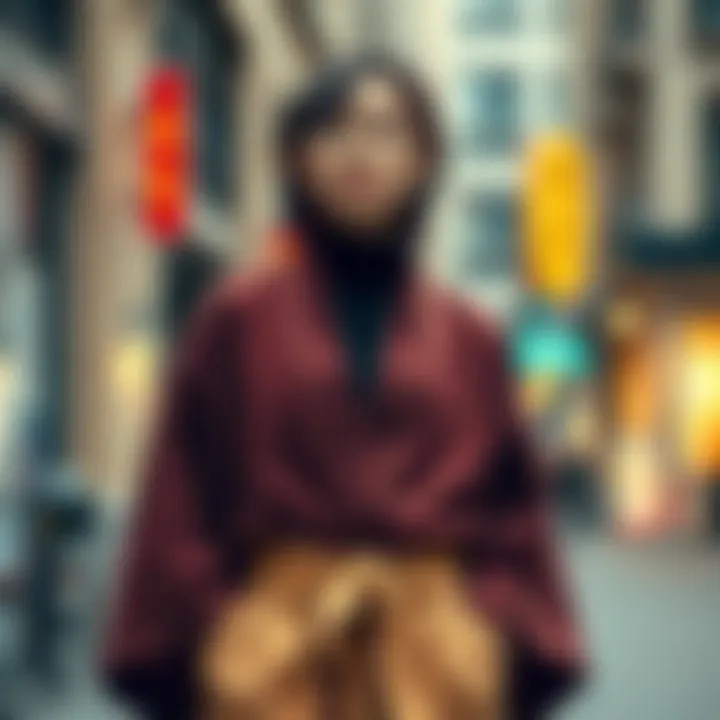
In summary, styling the corduroy kimono draws upon the harmonious interplay of layering and accessorizing. With these techniques in mind, one can effortlessly navigate through different occasions—whether it’s a casual day out or a more upscale gathering. Embrace your creativity and explore how this versatile piece can enhance your wardrobe.
Sustainability Considerations
When it comes to fashion, sustainability has shifted from a niche concern to a fundamental topic that touches every corner of the industry. The corduroy kimono, with its blend of tradition and contemporary sensibilities, now stands at the forefront of this movement, embodying values that resonate with conscientious consumers. As we dive deeper into sustainability considerations related to the corduroy kimono, it's essential to highlight the different facets of eco-friendliness and longevity that make it an appealing choice for both designers and wearers alike.
Eco-Friendly Aspects of Corduroy
Corduroy fabric itself has some noteworthy attributes that contribute to its sustainability. Made from cotton, which is a renewable resource, corduroy aligns well with eco-conscious objectives. However, not all cotton is created equal. The rise in organic cotton production has paved the way for better farming practices that prioritize soil health, reduced chemical usage, and water conservation.
Additionally, corduroy is known for its durability. Unlike many fabrics that wear out after a few washes, corduroy can withstand the test of time, making it a sustainable choice. As they say, "buy less, choose well, make it last." When a garment survives longer in your closet, the environmental impacts associated with producing, shipping, and disposing of clothing are effectively lessened.
It’s also worth mentioning that corduroy can be recycled. When a garment reaches the end of its lifecycle, it doesn't necessarily have to end up in a landfill. Instead, it can be repurposed or recycled into new materials.
Longevity and Care of Corduroy Garments
Extending the life of a corduroy kimono requires proper care, which also plays a vital role in sustainability. First, always read the care label; it provides specific instructions tailored for the fabric. Washing in cold water and hanging to dry can significantly reduce energy usage compared to hot water and dryer cycles. Additionally, avoid frequent washing when possible. Spot cleaning for minor stains not only saves water but also minimizes wear and tear.
Another crucial point concerns storage. Corduroy should be stored in a cool, dry place away from direct sunlight to prevent fading and fabric deterioration. Using soft hangers or keeping the kimono folded can help maintain its structure without causing damage.
To sum up, with conscientious choices surrounding the materials, care, and lifecycle of corduroy kimonos, we can marry our fashion sensibilities with environmental responsibility. As interest grows in sustainable fashion, corduroy kimonos serve not just as a stylish statement, but also as an embodiment of thoughtful living.
"Sustainable fashion is not a trend; it is a movement towards mindful consumption."
In an age where consumers are more informed than ever before, it’s vital for designers and retailers to recognize that practices surrounding environmental consciousness are not merely an afterthought but a necessity. Embracing these values ensures that the legacy of the corduroy kimono continues far beyond the latest runway show.
Craftsmanship Behind Corduroy Kimonos
The craftsmanship behind corduroy kimonos plays a vital role in their appeal, intertwining tradition with contemporary fashion values. Craftsmanship in this context refers not only to the techniques employed in sewing but also encompasses the thoughtful design and meticulous detail that goes into every piece. As fashion continues to evolve, understanding the nuances of this craftsmanship provides insight into why the corduroy kimono maintains its relevance today.
One of the key elements of this craftsmanship is the careful selection of materials. Corduroy, with its unique texture and weight, requires skilled hands to manipulate it effectively. The construction process often involves techniques that have been handed down through generations, ensuring that every stitch is a testament to the artisan's craft. This duality invites one to consider how centuries-old practices meet modern technology, creating garments with both durability and style.
In practical terms, well-crafted corduroy kimonos offer significant benefits. They are not just visually appealing but also exhibit strength and warmth, making them suitable for various occasions. Furthermore, a well-made kimono can stand the test of time, leading to a sustainable choice for fashion-forward individuals.
Tradition vs. Modern Tailoring Techniques
When comparing traditional and modern tailoring techniques, contradictions and synergies emerge. Traditional kimono-making involves hand stitching and a precise method of folding the fabric, ensuring that the garment maintains its cultural significance. Artisans dedicate hours to perfecting these techniques, often drawing from their heritage to create pieces that resonate deeply with the wearer's identity.
On the flip side, modern tailoring incorporates innovative practices such as machine stitching and the use of synthetic blends to enhance durability and easy care. This melding of techniques allows designers to craft kimonos at a larger scale while still honoring the traditional aesthetic. Using computer-aided design (CAD) tools, designers bring forth patterns that not only fit well but also maximize fabric usage—effectively reducing waste in the garment industry.
Artisan Skills Involved in Creation
Creating a corduroy kimono requires a diverse range of artisan skills. First is the accurate measurement and cutting of the corduroy fabric, which is crucial given its distinctive pile. Mistakes at this stage can lead to costly fabric waste or ill-fitting garments.
Following cutting, the sewing process demands a delicate touch. Corduroy can easily fray and shift, making precision critical. Experienced artisans can manipulate the fabric to maintain its texture while creating elegant seams and finishes.
Furthermore, mastering embellishments like embroidery or dyeing can elevate a corduroy kimono from simple to striking. These details often reflect cultural elements, preserving the garment's heritage while adapting to modern tastes. This blend of skill sets not only promotes a rich cultural heritage but also enhances the overall aesthetic appeal of the garment.
Craftsmanship in fashion is about bridging the gap between past and future.
The Corduroy Kimono in Popular Culture
The corduroy kimono has weaved its way into the fabric of modern society, not merely as a garment but as a canvas reflecting the evolving tastes and values of our culture. Its unique duality—rooted in tradition yet blossoming in contemporary fashion—makes it a relevant topic worth exploring. In this section, we'll delve into its significance within popular culture, how fashion media has shaped its image, and the influential style choices of celebrities that have brought this piece to the forefront of fashion discussion.
Influence in Fashion Media

Fashion media plays an indispensable role in popularizing trends, and the corduroy kimono is no exception. Magazines, blogs, and social media platforms have highlighted this versatile piece, painting it as an essential component of both casual and sophisticated wardrobes. Through editorials featuring styled shoots and how-to guides, the corduroy kimono has transitioned from an overlooked garment to a stylish staple.
Some notable publications have showcased it in various contexts, showing how it can be worn in a multitude of settings. Editorials often explore:
- Seasonal Trends: Editors emphasize how the corduroy kimono can be adapted for different seasons, making it suitable for fall layering or as a spring statement piece.
- Street Style: Instagram influencers, often spotlighted in trendy online spaces, have showcased their unique takes on the corduroy kimono, inspiring followers to embrace its comfortable yet chic vibe.
Moreover, fashion critics have discussed the sustainability aspect of corduroy materials, elevating the conversation around ethical fashion. This has given it a broader appeal, aligning with the values of a more conscious consumer base.
The power of media cannot be overstated; it has a way of making the ordinary extraordinary, reimagining classic garments into must-haves.
Celebrities and Their Styles
Celebrities have undeniably amplified the visibility of the corduroy kimono, lending their star power to further entrench it in popular culture. From red carpets to casual outings, stylish personalities have donned the corduroy kimono in ways that resonate with diverse audiences across the globe.
For instance, Hailey Bieber was spotted in a loose-fitting corduroy kimono during fashion week, pairing it with a trendy crop top and high-waisted jeans, demonstrating the effortless cool that this garment can offer. On the other hand, Zendaya turned heads at an awards show, opting for a more tailored version that paid homage to its traditional roots yet felt distinctly modern.
These moments capture the essence of the corduroy kimono's versatility, introducing it to varied fashion niches—from high-end couture to street style. By choosing this garment, celebrities signal not only their fashion-forward thinking but also the cultural significance of merging styles from different demographics.
As the trend evolves, it’s clear that the corduroy kimono isn't just a fleeting fad. It's carved out a space within popular culture that highlights ingenuity, adaptability, and most importantly, the blend of practical and aesthetic qualities that resonate with consumers.
In summary, the corduroy kimono's presence in popular culture cannot be underestimated. With influential figures championing it and media framing it as a vital component of modern wardrobes, this garment's journey reflects the ongoing dialogue in fashion and society.
The Global Impact of the Corduroy Kimono
The corduroy kimono is more than just a piece of clothing; it embodies a sweeping influence that transcends borders and draws connections between cultures. In this globalized world, fashion serves as a powerful means of communication, showcasing our shared desires while reflecting our individual identities. The corduroy kimono captures this duality, serving as a testament to cultural exchange, variation, and adaptability.
Cultural Exchanges in Fashion
The spread of the corduroy kimono into various fashion scenes worldwide highlights a significant cultural exchange. Different regions have taken this traditional piece and added their own flavor to it. For example, designers in Paris may juxtapose the kimono’s flowing structure with tailored modern silhouettes, creating a striking dialogue between East and West. This is not merely an amalgamation; it’s a creative reinterpretation that respects the origins while pushing boundaries.
"Fashion is the armor to survive the reality of everyday life." – Bill Cunningham
This quote underscores how the corduroy kimono acts as a vehicle for personal expression across diverse cultural landscapes.
Both high fashion and everyday style have found common ground in the corduroy kimono, allowing for dialogues about sustainability, craftsmanship, and identity. Japanese artisans continue to craft the traditional kimonos, highlighting their textile skills, while contemporary designers infuse innovative materials and techniques. This cross-pollination enriches both traditions, fostering a sense of inclusivity that resonates with a larger audience.
Regional Variations and Styles
When we discuss regional variations and styles of the corduroy kimono, it’s clear that each locale imbues the garment with its unique signature, influenced by local culture, weather, and aesthetics. For instance, in Tokyo, you might find the corduroy kimono tailored for urban dwellers, featuring shorter lengths, sleek cuts, and a chic palette. Meanwhile, in the colder climates of Northern Europe, the emphasis may be on earth-toned oversized designs, ideal for layering during chillier days.
- Tokyo: Urban-inspired styles, luminous prints, minimalistic cuts.
- Paris: Fashion-forward iterations, created with a mix of opulent materials and traditional corduroy.
- New York: Layered styles paired with streetwear for a bold statement.
Through these adaptations, the corduroy kimono serves not only as an article of clothing but also as a canvas for exploration. The variations illuminate how this garment has become a reflection of local identity, enabling fashion enthusiasts to play with form and function in their own unique ways. As each design mirrors a snapshot of its cultural context, the global impact manifests in a tapestry of style that is rich and varied, allowing the corduroy kimono to remain relevant in the ever-evolving fashion industry.
Future Trends for the Corduroy Kimono
The future of the corduroy kimono is a topic that deserves some serious attention. With the fashion industry constantly evolving, the corduroy kimono stands at the crossroads of tradition and modernity. The current trend reflects a shift towards more versatile and sustainable garments. Designers and consumers, alike, are increasingly leaning towards items that can transition through seasons, making the corduroy kimono a neutral territory in this landscape.
Emerging Designs and Innovations
Emerging designs in the realm of corduroy kimonos showcase a blend of creativity and practicality. Manufacturers are experimenting with varied textures and cuts which can appeal to a broad audience. For instance, innovative patterns such as asymmetrical hems or layered elements not only amplify visual appeal but also enhance functionality. Designers are also incorporating color-blocking techniques that breathe fresh air into classic styles. This enhances the versatility of the kimono, making it suitable for casual wear or more formal events.
Moreover, an increasing number of brands are utilizing technology in fabric production. Smart textiles that incorporate moisture-wicking properties or enhance thermal regulation tap into the practical side of fashion. As a result, upcoming corduroy kimonos are not just visual delights, but they also serve specific needs, making them a relevant choice.
"Fashion is an instant language; the corduroy kimono is a dialect reinvented for modern conversations."
Potential in Sustainable Fashion Movements
Sustainable fashion is no longer just a buzzword; it's a movement that many in the industry are becoming part of. The corduroy kimono is positioned well within this trend. Many consumers are now favoring sustainable practices—fabric choices like organic cotton or recycled fibers significantly minimize environmental footprints.
Additionally, the versatile nature of kimonos lends itself well to a sustainable wardrobe. A single corduroy kimono can be styled in multiple ways: throw it over jeans for a relaxed shopping day or pair it with a sleek pencil skirt for a workplace ensemble. This versatility means fewer purchases and less waste, aligning seamlessly with the principles of sustainability.
Retailers are also beginning to cultivate a more responsible image by sourcing ethically produced corduroy. This kind of conscious decision-making is fostering a community of like-minded buyers, solidifying the corduroy kimono's role in future fashion trends.