Understanding Bunion Gel Protectors for Foot Comfort
Intro
Bunions can be a real annoyance, transforming a simple stroll into an excruciating ordeal. The misalignment of bones in the foot, particularly around the big toe, leads to the development of these painful swellings. While bunions affect many, the introduction of bunion gel protectors offers a solution that is both practical and innovative. This article unpacks the role these gel protectors play in alleviating discomfort and maintaining foot health, while also examining how they fit into modern fashion.
Latest Trends and Styles
Navigating the dichotomy between comfort and style has become essential for modern footwear. Bunion gel protectors not only serve a practical purpose but are increasingly recognized as a fashionable accessory in their own right.
Seasonal Fashion Highlights
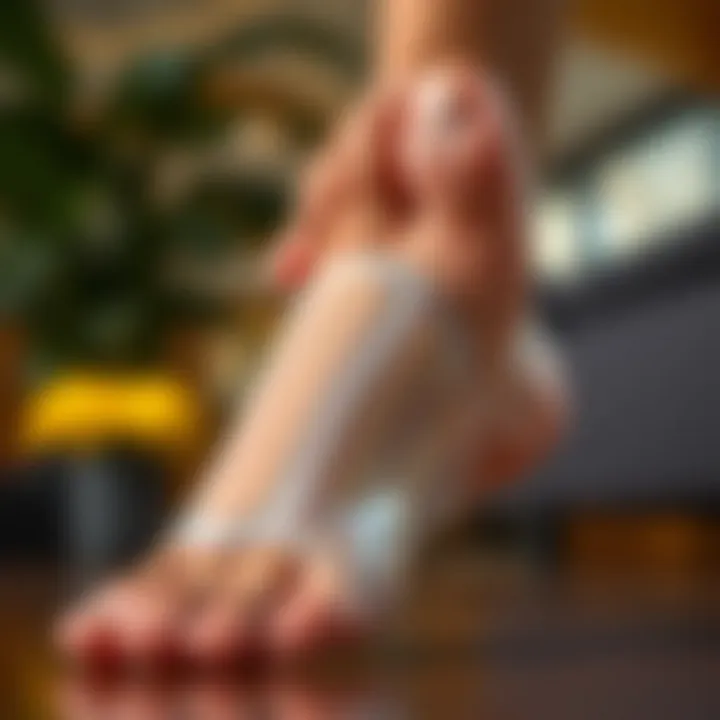
As fashion cycles shift with the seasons, the adaptation of bunion protectors has kept pace. For instance, during the spring and summer months, when open-toed sandals are in vogue, many companies have designed gel protectors that are not only functional but also nearly invisible when paired with elegant footwear. This allows individuals suffering from bunions to wear their favorite styles without sacrificing comfort. The use of transparent silicone or skin-tone colors has made it possible to enjoy seasonal footwear trends hassle-free.
Influencer Style Inspiration
Social media has become a powerful platform for highlighting the integration of bunion gel protectors in everyday fashion. Influencers and fashion bloggers have started to share their styling tips, showcasing how to incorporate these protective devices into their outfits. One might encounter a post combining chic loafers with an impressive gel protector, emphasizing a stylish look that does not compromise on comfort. It's fascinating how the conversation around foot health is evolving, driven by influential fashion figures.
"Fashion is all about finding the balance between self-expression and practical comfort—something as simple as a bunion protector can play a significant role in achieving that balance."
Understanding Bunion Gel Protectors
Bunion gel protectors act as a cushion, reducing friction and pressure on the affected area. Their unique design typically allows for easy application and removal, making them user-friendly. Made from soft materials, many of these products feature a thin gel pad that conforms to the foot's shape, providing not only relief but also a subtle layer of protection against future discomfort. The right choice can significantly impact an individual’s daily routine, especially for those who are always on their feet.
Selection Tips and Considerations
When choosing bunion gel protectors, several factors come into play. Firstly, the level of comfort and support should be assessed. It's crucial to consider different shapes and thicknesses, as some may work better than others for specific foot types. Moreover, materials such as silicone or foam should be evaluated for durability and ease of cleaning.
It's also valuable to consult peer reviews, blogs, and forums for insights from individuals who regularly use these protectors. Websites like reddit.com and foothealth.org serve as excellent resources, offering testimonials and product comparisons.
Epilogue
Bunion gel protectors represent a significant development in foot health management, blending practicality with contemporary fashion sensibilities. As we explore their utility, it becomes clear that prioritizing comfort does not have to come at the expense of style. By understanding the options available and staying informed about trends, both consumers and professionals within the fashion industry can make choices that promote foot health while maintaining a strong sense of personal style.
For further reading on foot health and bunions, check out resources from britannica.com and foot.com.
Ultimately, the marriage of function and fashion has never been more relevant, and bunion gel protectors are leading the charge.
Understanding Bunions
Definition and Overview of Bunions
A bunion, known in the medical world as a Hallux Valgus, is characterized by the bony bump that forms on the joint at the base of the big toe. To visualize, imagine a small, protruding hill where the toe meets the foot, causing the big toe to lean toward the second toe, creating misalignment. This condition not only brings about noticeable changes in foot shape, but it also poses challenges in selecting appropriate footwear. Such deformations can impact mobility and lead to further complications if not addressed.
Causes and Risk Factors
Bunions can arise from a combination of genetic and environmental factors. Life choices, such as wearing ill-fitting shoes, especially those that are overly pointed or high-heeled, can exacerbate the condition. Some people may be genetically predisposed to develop bunions due to inherited structural weaknesses. Other risk factors include:
- Age: The likelihood of developing bunions increases with age as ligaments lose elasticity.
- Gender: Women are more likely than men to develop bunions, partly due to footwear choices.
- Arthritis: Conditions like rheumatoid arthritis can contribute to bunion formation.
Being aware of these factors not only informs preventative measures, but it also guides the choices one makes in footwear and treatment options.
Symptoms and Diagnosis
The symptoms of bunions can vary in intensity but often include:
- Pain or soreness: Especially during activity
- Swelling: Around the toe joint
- Redness and inflammation: Often noticeable around the big toe area
- Corn or callus formation: Often as a result of pressure from footwear
Diagnosis is typically straightforward. A healthcare provider will conduct a physical examination and may request X-rays to assess the severity of the bunion. Early diagnosis is key to managing symptoms and preventing further complications. It's advisable to consult a doctor at the first sign of discomfort to discuss the best steps forward, including the use of gel protectors.
What are Bunion Gel Protectors?
Bunion gel protectors are specialized aids that play a crucial role in alleviating discomfort caused by bunions. Bunions themselves, those protrusions at the base of the big toe, can be a persistent source of pain and frustration for many. Understanding what bunion gel protectors are can help individuals not only manage their foot health better but also enhance their overall comfort when choosing footwear.
These gel protectors offer several advantages. They act as a barrier between the bunion and the shoe, effectively reducing discomfort due to friction and pressure. Moreover, they come in a variety of designs, catering to different needs and preferences. By incorporating these products into one's daily routine, individuals can experience improved mobility and comfort, which is particularly essential for anyone constantly on their feet.
Composition and Design
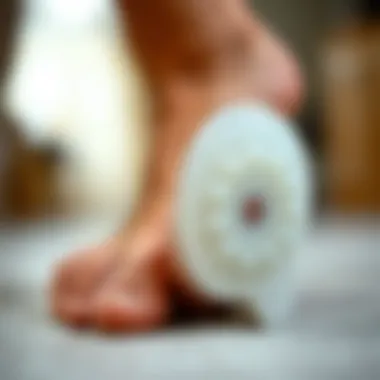
Bunion gel protectors are typically made from a soft, flexible silicone or gel material. This composition allows them to be both durable and comfortable, adapting to the unique shape of each foot. The design often includes elements that cushion the bunion while providing some structure to ensure they remain in place during movement. Some gel protectors even have a slip-on design, seamlessly fitting into various types of footwear without drawing attention.
Carefully crafted to conform to the anatomy of the foot, these protectors come in several sizes and shapes. Some models wrap around the entire toe, while others focus specifically on the bunion area, allowing for targeted relief where it's most needed. This diversity in design ensures they cater to a broad market, from fashion-forward individuals to those simply seeking comfort.
Mechanism of Action
The effectiveness of bunion gel protectors lies in their ability to absorb shock and reduce pressure on the affected area. When walking or standing, a significant amount of weight is transferred to the forefoot, which can exacerbate bunion pain. The gel material disperses this pressure, providing a more even distribution across the foot.
Additionally, these protectors create a slip-resistant surface against the shoe, reducing movement that can cause further irritation. The cushioning they provide not only mitigates pain during regular activities but also assists in maintaining a more natural foot position, thus preventing the bunion from worsening.
In sum, bunion gel protectors serve as an essential tool in managing foot health for those grappling with bunions. By understanding their composition, design, and function, individuals can make informed decisions to better integrate these protectors into their daily lives, promoting comfort and enhancing their ability to engage in various activities.
Benefits of Using Bunion Gel Protectors
Bunion gel protectors play a pivotal role in enhancing foot health, especially for individuals grappling with bunion discomfort. By addressing multiple facets of foot care, these gel protectors are not just about immediate relief but also have a ripple effect on overall quality of life. Here, we delve into the specific benefits these protectors offer, addressing pain relief, protection from friction, and mobility enhancement, aiming to present a well-rounded understanding for readers across the fashion and lifestyle industries.
Pain Relief and Comfort
One of the foremost benefits of bunion gel protectors is their capacity to provide significant pain relief. Bunions can cause nagging aches that radiate from the foot into one's daily life. The gel material aptly cushions the bunion, absorbing shocks and reducing pressure during movement. The sensation of relief isn’t just physical; it cultivates comfort, allowing individuals to abandon that hesitant limp they might develop.
Many users report that wearing these protectors makes it feel like they're walking on soft clouds instead of pavement. To accentuate this, consider the following points:
- Immediate Impact: Users often experience instant comfort upon application, which can foster a more active lifestyle promptly.
- Long-term Benefits: Continuous use can spread awareness about keeping feet healthy, ultimately preventing further issues down the line.
- Psychological Uplift: Reducing pain translates to boosted morale. Imagine being able to browse for shoes without that worry in the back of your mind!
Protection from Friction and Pressure
Another critical aspect of bunion gel protectors is their ability to shield against friction and pressure. These two factors are the culprits behind many foot ailments. The gel layer serves as a barrier, preventing shoes from rubbing against the bunion, which can lead to blisters and exacerbated pain. Here’s how they achieve this:
- Customized Fit: Many gel protectors come in various shapes and sizes, allowing users to pick one that suits their unique foot structure. This customization drastically enhances comfort.
- Durability: The materials used in quality protectors resist wear and tear, ensuring sustained protection even after numerous uses. This means they can withstand the rigors of daily life, whether it's standing for hours or walking long distances.
- Stylish Integration: Some gel protectors are designed to be discreet, allowing individuals to seamlessly incorporate them into their footwear without hindering style.
Facilitating Mobility
Mobility is intrinsic to our daily lives, influencing everything from job performance to leisure activities. Bunions can restrict movement, leading to compensatory patterns that ultimately affect posture and overall body mechanics. Bunion gel protectors can facilitate mobility in several ways:
- Enhancing Stability: A well-cushioned foot is less likely to experience instability, allowing for a more confident stride. This stability can prevent future injuries.
- Encouraging Activity: With less pain and discomfort, wearing these protectors can motivate users to engage in more physical activities, from simple walks in the park to active sports.
- Maintaining Proper Alignment: Using bunion gel protectors encourages a natural foot position, thus supporting proper alignment through the legs and into the back. This is a boon for minimizing issues related to improper posture over time.
"Investing in bunion gel protectors isn’t just about temporary relief; it’s a step towards long-term foot health."
Through these benefits, bunion gel protectors prove to be not merely accessories but essential tools aimed at ensuring that individuals can lead a more active and fulfilling life without the overshadow of foot pain. This understanding is particularly crucial for fashion designers and retailers who must consider both aesthetics and functionality in footwear choices.
Choosing the Right Bunion Gel Protector
Selecting the correct bunion gel protector is not just a matter of preference; it’s fundamental to the overall effectiveness in managing bunion pain and improving foot health. Many often overlook this aspect, but understanding the nuances involved in choosing the right model can play a significant role in both relief and daily comfort. Here, we delve into critical factors such as size and fit, the quality of materials, and how the aesthetic design can influence wearer compliance and satisfaction.
Size and Fit Considerations
When it comes to bunion gel protectors, sizing is crucial. A protector that is too tight may exacerbate discomfort, while one that’s too loose can fail to provide the support needed. It's essential to measure your foot accurately, taking into account the width and length, to ensure a snug yet comfortable fit.
Many brands offer multiple sizes or even adjustable options to cater to the diverse shapes of feet. Also, keep in mind that some protectors are designed specifically for left or right foot; thus, selecting the correct one can make all the difference. An ideal protector should hug the bunion without pinching or restricting circulation.
Material Quality
Not all bunion gel protectors are created equal when it comes to the materials they’re composed of. High-quality gel protectors often use medical-grade silicone or other soft, flexible materials that offer both cushioning and durability. This quality material can withstand daily wear and tear while providing adequate protection against friction and pressure.
Moreover, consider breathability. Materials that allow for air circulation tend to be more comfortable during extended periods of use. Some gel protectors are even infused with antibacterial properties, which can further reduce the risk of skin irritations or infections. Choose protectors that balance softness with durability to ensure you won’t be swapping them out too regularly.
Design and Aesthetics
Don’t underestimate the role of design in your choice of bunion gel protectors. While the primary aim is functional, many wearers value how these protectors look as well. Today’s designers offer various styles, colors, and shapes to suit different preferences and occasions. This means you can find gel protectors that are not only effective but also align with your personal style.
Moreover, a well-designed protector should seamlessly fit into your everyday footwear. For example, opting for a low-profile design allows you to wear them with a broader range of shoe styles, from casual shoes to more formal options. This versatility adds to the overall appeal, making it easier for individuals to comply with wearing maintain toe health without compromising on style.
With these considerations, individuals can empower themselves to make informed choices about bunion gel protectors, ensuring they select products that enhance both comfort and foot health.
Application and Maintenance of Gel Protectors
The significance of bunion gel protectors extends beyond mere comfort; their application and regular maintenance play a crucial role in ensuring their effectiveness. Understanding how to appropriately apply and care for these protective devices can significantly enhance their benefits, ultimately contributing to improved foot health. Without proper usage and upkeep, these gel protectors may not provide the relief they promise, leading to frustration and continued discomfort.
How to Apply Gel Protectors Correctly
Proper application of gel protectors is essential for maximizing their protective qualities. Here's a step-by-step guide on the best practices for applying these aids:
- Clean the Affected Area: Start by washing and thoroughly drying your foot, focusing on the area around the bunion. This ensures that any dirt or moisture won’t interfere with the adhesive properties of the gel.
- Select the Right Size: Make sure the protector fits snugly without being too tight. A protector that is too loose may shift around and not provide the necessary protection.
- Positioning: Place the gel protector on the bunion area, ensuring it covers the swollen joint adequately. It should conform to the natural structure of your foot.
- Press Firmly: Once positioned correctly, press the gel down gently but firmly, allowing it to adhere well to your skin.
- Check for Movement: After application, walk around for a minute to ensure there’s no slipping or discomfort. Adjust as needed.
By following these steps, you maximize the effectiveness of the gel protector, taking an important step towards alleviating discomfort and protecting your foot from further irritation.
Cleaning and Care Instructions
Maintaining bunion gel protectors is equally important to ensure their long-term functionality. Here are straightforward care instructions:
- Washing: Depending on the material of the gel protector, clean it regularly with mild soap and warm water. Avoid harsh chemicals that could degrade the material.
- Air Dry: After cleaning, allow the protector to air dry completely before reapplying. Ensure that it’s stored in a cool, dry place, away from direct sunlight, which can compromise its integrity.
- Inspect for Damage: Regularly check the gel protector for any signs of wear and tear. Look for cracks or changes in texture. If it shows signs of significant damage, it's time to replace it.
Proper care not only extends the life of the gel protector but also ensures that the wearer continues to receive optimal relief from bunion-related pain. By being diligent in both application and maintenance, individuals can enjoy the benefits of bunion gel protectors while promoting better foot health.
Potential Drawbacks and Limitations
While bunion gel protectors offer significant relief and support for individuals suffering from bunions, it's essential to acknowledge their drawbacks and limitations. Understanding these factors can provide a more holistic view of bunion management and underscore the importance of comprehensive foot care. Let’s delve into two primary concerns:
Not a Permanent Solution
It’s crucial to grasp that bunion gel protectors are typically a temporary measure. These gel pads serve to cushion the bunion and relieve discomfort by reducing friction and pressure against shoes. However, they do not address the underlying deformity that characterizes bunions. As such, users may find that while immediate relief is felt, the fundamental problem remains unchanged.
In many cases, relying solely on gel protectors may lead individuals to postpone seeking more definitive treatments, such as orthodontic solutions or surgical options. Foot health won’t magically improve just because one is using these products. Instead, they should be viewed as a part of a broader strategy which might include physical therapy, lifestyle changes, and even consultations with podiatrists.
Moreover, a person might come to depend on these gel protectors. Some may feel a false sense of security, mistakenly thinking that using the gel protectors will prevent the bunions from worsening. In reality, without addressing factors such as foot alignment or improper footwear, bunions can progress, leading to increased pain and complications.
"Foot problems often stem from an imbalance in the body. To truly alleviate them, one must look deeper than surface solutions."
Allergic Reactions or Skin Sensitivity
Another significant consideration when using bunion gel protectors is the potential for allergic reactions or skin sensitivity. The materials used in these gel pads, often silicone or various synthetic compounds, may not suit everyone. Some users report irritation or rashes after prolonged contact with their skin. This reaction can lead to discomfort, negating the very relief the gel protectors are intended to provide.
People with pre-existing skin conditions, such as eczema or psoriasis, are particularly at risk. It’s advisable to check the ingredients beforehand, and even perform a patch test if unsure about how skin will react.
Notably, while these products claim to provide comfort, they can lead to other foot problems if a skin issue occurs. When skin is compromised, it may affect overall mobility and posture, leading to additional complications in foot health.
Consider discussing options with healthcare professionals to find a balanced method of tackling bunions effectively and safely.
Integrating Bunion Gel Protectors into Fashion Choices
In today's style-driven world, foot health frequently takes a backseat to aesthetics. Yet, integrating bunion gel protectors into fashion choices is essential for both practitioners and laypeople alike. These gel protectors not only alleviate the discomfort associated with bunions but also allow individuals to maintain a sense of style without sacrificing comfort. It's a delicate dance between fashion and function that can significantly enhance one’s quality of life.
First and foremost, understanding the balance between the everyday footwear we choose and the protective benefits of bunion gel is crucial. Footwear designs can either exacerbate or mitigate the discomfort caused by bunions. This means that, for anyone suffering from bunions, selecting shoes that accommodate gel protectors can be a game-changer. If the shoe doesn’t fit, the protector won’t work effectively. Moreover, styles that favor wider toe boxes or flexible materials can provide additional relief while ensuring that one's fashion is not compromised.
"Fashion is not just about what you wear; it’s about how what you wear makes you feel."
For someone grappling with bunion discomfort, this idea rings especially true.
Choosing Footwear That Works with Gel Protectors
When it comes to finding the right footwear for bunion gel protectors, a few key elements should guide one’s choices.
- Cut and Shape: Opt for shoes with a rounded toe box or even better, those with a slight elevation from the toe area. This design creates more space for the gel protectors to sit comfortably without crowding the foot.
- Material Flexibility: Shoes made from soft materials or those with elastic elements can adapt better to the user’s foot shape, which is vital for allowing the gel protectors to offer their maximum benefits.
- Supportive Structure: A stable shoe with good arch support is not just a plus for comfort—it can also help to reduce overall foot strain, which is particularly beneficial for managing bunions.
Choosing high-quality shoes crafted with these elements in mind isn’t merely a trend; it's a commitment to preserving one’s foot health while remaining fashionable.
Styles for Comfort and Elegance
Fashion and functionality intersect vividly when considering how to incorporate bunion gel protectors into one's wardrobe. Seeing them as a mere accessory can be limiting; instead, they represent a new avenue of personal expression.
- Elegant Flats: Many flats are far from flat these days. Opt for low-heeled options that exude elegance and sophistication while providing space and comfort for bunion gel protectors.
- Casual Sneakers: Most sneakers today employ a variety of designs, meaning one can find visually appealing options that also offer the necessary room for gel protectors. Look for designs that fuse style with breathability, ensuring comfort across the board.
- Dressy Sandals: There’s a lingering stereotype that sandals can’t be chic. Modern designs disprove this with straps that emphasize good looks while accommodating foot conditions gracefully.
Ultimately, the aim is to elevate one’s wardrobe while keeping foot health at the forefront. The fashion industry is increasingly recognizing the needs of individuals with foot ailments, making it possible to enjoy stylish arthritis-friendly options without the burden of pain. Combining bunion gel protectors smartly with contemporary footwear choices presents an opportunity to live confidently and stylishly despite foot concerns.
For more insights on this topic, consider exploring resources from American Podiatric Medical Association or valuable discussions on Reddit about managing foot health through fashionable choices.
Integrating bunion gel protectors into fashion choices is not merely about preventing pain; it’s about embracing one’s individuality and finding joy in how one presents themselves. After all, healthy feet are stylish feet.
Professional Recommendations on Bunion Care
When it comes to managing bunions effectively, the voice of professionals carries significant weight. The recommendations from healthcare practitioners, especially podiatrists, hold the key in navigating through the complex foot health landscape. Bunions, while common, require a tailored approach to care that accommodates individual needs and lifestyles. This section dives into the vital advice and strategies that can be employed to facilitate relief and promote long-term health of your feet.
Advice from Podiatrists
Podiatrists are the specialists when it comes to foot care, and their guidance is indispensable. They often emphasize that understanding the nuances of each bunion situation is critical. Here’s what they typically recommend:
- Early Intervention: If you start to feel discomfort or notice a bump at the base of your big toe, consulting a podiatrist promptly can prevent the condition from worsening.
- Correct Footwear: One of the first things a podiatrist might suggest is to ditch the tight shoes. Opt for footwear with ample toe space to allow your bunions room to breathe. A well-fitted shoe can make all the difference.
- Bunion Gel Protectors: Many podiatrists advocate for the use of bunion gel protectors. These aids can cushion bunions, reducing friction and pressure while you go about your daily activities. The right gel protector can serve as an effective adjunct to other treatment methods.
- Custom Orthotics: Sometimes off-the-shelf solutions aren't enough. Podiatrists may recommend custom orthotics tailored to your foot’s structure, helping to redistribute weight and alleviate pressure on the bunion area.
- Regular Foot Assessments: Tracking the bunion’s development is crucial. Regular check-ups can help monitor changes and adapt treatment plans accordingly.
"Your feet are your foundation. A little care today can save you from big troubles tomorrow."
— Wise words from a seasoned podiatrist.
Physical Therapy and Bunion Management
Physical therapy has emerged as a powerful ally in the fight against bunion discomfort and its associated complications. By tapping into targeted exercises and manual therapies, individuals can bolster their foot health significantly.
- Strengthening Exercises: A physical therapist may suggest exercises that target the muscles surrounding the bunion, improving their strength and flexibility. Simple stretches and foot exercises can lead to better alignment and reduced pressure on the bunion itself.
- Gait Analysis: Understanding how you walk can provide insights into making adjustments that prevent further bunion aggravation. Physical therapists often perform detailed gait analyses to spot any abnormalities that could contribute to bunion formation or pain.
- Manual Therapy: Techniques like massage can reduce tension in the feet and improve circulation. Therapists skilled in manual therapy can manipulate the foot joints to alleviate pain and improve function.
- Education: Perhaps one of the most vital roles of physical therapy is education. Therapists equip patients with knowledge about proper posture and foot mechanics, ensuring that they can make informed decisions moving forward.
Exploring Alternative Treatments
When it comes to addressing bunions, bunion gel protectors often take the spotlight, but alternative treatments deserve equal attention. Understanding these alternatives is essential, as they can complement or enhance the relief and management of this pesky foot condition. Inadequate attention to alternatives might leave some individuals grappling with ongoing discomfort, while strategically incorporating these options can make a noteworthy difference in overall foot health.
Orthotic Devices
Orthotic devices can be a game-changer for those dealing with bunions. These specially designed shoe inserts work by redistributing pressure on the foot, shifting weight away from the bunion area. Think of them as a cozy hug for your feet, tailored to provide support where it’s most needed.
- Types of Orthotic Devices:
- Benefits of Orthotic Devices:
- Considerations When Choosing Orthotics:
- Custom-made Orthotics: These are crafted by podiatrists based on the individual’s foot structure. They offer personalized support, which can significantly reduce discomfort.
- Over-the-Counter Orthotics: These devices can be found in most pharmacies and provide a general level of support. While they might not always fit perfectly, they nonetheless help in many cases.
- Enhanced alignment of the foot.
- Reduction in pain associated with bunions and other foot ailments.
- Improved overall comfort during prolonged periods of standing or walking.
- Fit: A good fit is crucial for effectiveness. An ill-fitting orthotic can exacerbate existing issues.
- Material Quality: Look for durable and flexible materials that can withstand daily use without losing their supportive properties.
Surgical Interventions
Surgical intervention is often seen as a last resort for bunion treatment, but in some cases, it’s the best way forward, especially for severe bunions causing significant pain or mobility issues. While it may seem daunting, understanding the types of surgical options available can shed light on its importance in comprehensive bunion care.
- Types of Surgery:
- Benefits of Surgical Interventions:
- Consideration Factors for Surgery:
- Osteotomy: Involves cutting and repositioning the bone near the bunion, providing better alignment for the toe joint.
- Exostectomy: This less invasive option removes the bony bump that forms on the toe joint without repositioning bones.
- Arthrodesis: This option fuses the bones in the affected joint, which can help achieve optimal positioning but may limit some range of motion.
- Effective for long-term relief, especially in chronic cases.
- Potential improvement in overall foot function and aesthetic appearance of the foot.
- Reduction in pain and improvement in quality of life.
- Surgical risks: Just like any operation, there are inherent risks involved. It’s necessary for patients to weigh these against potential benefits.
- Recovery time: Time taken for recovery can vary, impacting daily functions and activities.
Ultimately, the choice of treatment—from bunion gel protectors to orthotics or surgery—depends on individual needs and the severity of the condition. Consulting with a healthcare professional can provide personalized guidance, helping individuals navigate their options thoughtfully.
In summary, exploring alternative treatments for bunions expands the toolkit available for those struggling with foot health. Orthotic devices provide instant support, while surgical interventions aim for long-lasting relief. Together, these approaches can enhance the quality of life for individuals dealing with bunions.
Finale
The journey toward understanding bunion gel protectors reveals not just how these aids fit into foot health, but also their broader implications for comfort, mobility, and even personal style. Bunion gel protectors serve as a frontline defense against the discomfort and pain associated with bunions. For individuals, wearing these protectors can markedly enhance daily life, enabling one to walk, run, or even just stand without the nagging sensations that stem from bunions.
Summarizing the Importance of Bunion Gel Protectors
Bunion gel protectors offer several noteworthy benefits that extend from immediate relief to longer-term implications. These products, usually made of silicone or soft gel, cushion the bunion and mitigate friction. As someone who spends hours on their feet, this cushioning can mean the difference between a day of ease and one filled with discomfort. This cushioning is particularly vital during activities that involve prolonged standing or walking.
Moreover, these protectors play a crucial role in maintaining overall foot health. By alleviating pressure on the big toe joint, they can help in preventing further complications, such as the development of corns or calluses. The protective barrier aids in maintaining skin integrity, reducing the risk of blisters, which can become a sore spot both literally and metaphorically.
"A little prevention goes a long way—the right bunion gel protector not only shields your foot from immediate discomfort but also safeguards your long-term foot health."
Eliminating unnecessary pain is one aspect, but the ripple effects of using bunion gel protectors can foster a more active lifestyle. With increased comfort, individuals often find themselves more willing to engage in activities they love, from sports to casual strolls in the park. For fashion professionals, understanding the significance of bunion gel protectors can inform better design and product pairing in footwear, ensuring that comfort doesn't take a backseat to style.