Exploring the Impact of Bubble Clogs in Fashion
Intro
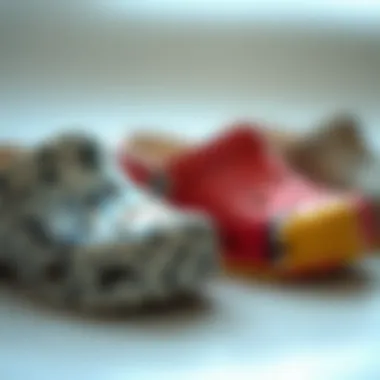
Bubble clogs have carved a niche in the footwear landscape, establishing themselves not merely as a fad but as a significant element of contemporary style. Originating from a blend of comfort and distinct design, these shoes encompass a variety of materials and cultural influences. As we peel back the layers of bubble clogs, we uncover not just their aesthetic charms, but the underlying narratives that connect them to sustainability and consumer trends.
Understanding the mechanics of this peculiar footwear reveals much about today's fashion attitudes. Whether you're a fashion designer, a student keen on textile trends, or a blogger seeking fresh content, grasping the essence of bubble clogs can equip you with knowledge that's both historical and current. From material composition to contemporary iterations, these shoes speak volumes about the interplay of form and function.
In the following sections, we will explore their evolution, the latest trends surrounding them, expert opinions from industry insiders, and their relevance within the broader context of sustainable fashion. Let’s embark on a journey through the phenoemenon of bubble clogs, garnering insights that reflect their growing importance in the world of fashion.
Prologue to Bubble Clogs
Bubble clogs have made quite the splash in the world of fashion, carving out a niche that speaks to comfort and style. They are no longer just a simplistic choice for casual wear; these quirky shoes represent a blend of utility and fun that resonates with a diverse audience. Understanding bubble clogs means diving into their practical applications, aesthetic appeal, and their rising popularity in today's ever-evolving fashion landscape.
In the realm of footwear, the importance of comfort cannot be overstated. Bubble clogs are designed with a focus on ease, often featuring soft materials and thoughtful construction that allow for prolonged wear without discomfort. This focus on comfort caters especially to those who are on their feet all day, such as healthcare workers or retail personnel.
Moreover, the unique design of bubble clogs sets them apart. With their distinctive rounded soles and often vibrant colors, these shoes catch the eye, making a statement that elevates casual attire. It’s a form of self-expression that appeals largely to younger demographics but also resonates with anyone who values individuality in their wardrobe choices.
Here are a few key elements to consider regarding bubble clogs:
- Versatility: They adapt seamlessly to different settings, from home to casual outings and even certain professional environments.
- Variety of Styles: Available in numerous designs and colors, bubble clogs can cater to various fashion preferences, from minimalist to boldly patterned.
- Health Considerations: Many designs offer a level of arch support and cushioning that promotes foot health.
"In a world where comfort and fashion often clash, bubble clogs bring them together beautifully."
As we delve deeper into this article, we'll cover various aspects of bubble clogs, including their historical context, material composition, and the vibrant trends shaping their current popularity. This exploration is not just for the fashion savvy; retailers, bloggers, and aspiring designers also stand to gain valuable insights that might influence their next steps in the industry. Understanding bubble clogs is about appreciating how they mirror societal shifts in tastes, priorities, and the ever-changing dialogue between functionality and fashion.
Historical Context of Clogs
The historical significance of clogs is not merely about fashion—it’s a narrative woven into the very fabric of many cultures. Understanding this context enriches our comprehension of bubble clogs, revealing how past innovations can dictate present styles. Clogs, with their wooden roots, serve as symbols of practicality, artisan craftsmanship, and evolving human needs. The essence of clogs throughout history mirrors shifts in societal values, labor practices, and fashion inclinations. Through this lens, bubble clogs can be appreciated as an adaptation of a timeless form, marrying aesthetic appeal with functional design.
Origins of Wooden Clogs
The journey of wooden clogs began in the fields of medieval Europe, particularly in the Netherlands and France, where they were primarily crafted from willow or poplar. Workers, needing sturdy and dependable footwear, turned to these wooden shoes as a fashionable yet practical solution. The design was dictated by functionality—each pair shaped like the contours of the foot yet allowing for considerable durability against harsh working conditions.
Imaginations at the time led to elaborate carvings and painted designs adorning these otherwise simple forms. They stood out not just for their utility but also for their artistic presentation, becoming symbols of local identities.
"The initial necessity for wooden clogs morphed into a celebration of heritage and creativity."
In various cultures, we note distinct adaptations. For instance, Japan introduced the "geta," a wooden sandal that served similarly for farmers and laborers. This parallel illustrates how various societies took a universal need and imbued it with local flair. By the time we move into the 18th and 19th centuries, wooden clogs started appearing on fashion runways, influencing styles beyond their practical roots.
Evolution into Fashion Items
As fashion began to diverge from purely functional wear, clogs reinvented themselves on the global stage. The industrial revolution fueled accessibility, allowing these shoes to proliferate across Europe and eventually the world. With the advent of new materials and techniques, the designs transitioned from purely wooden constructs to hybrids involving leather and fabric overlays.
The 1960s and 70s marked a pivotal turning point. Clogs, now embraced by the counterculture movement, underwent a transformation into symbols of rebellion against convention, often paired with bell-bottoms and crochet tops.
- By the 1990s and 2000s, brands like Birkenstock and later, Crocs, took liberty in diverging from traditional clogs, creating distinctive comforts amalgamated with fashion-forward sensibilities.
- Today, bubble clogs exemplify this evolution, incorporating modern aesthetics while showing respect to their historical origins. Adorned with playful colors and patterns, bubble clogs speak to a trend that favors comfort without sacrificing style.
Taken together, the origins and evolution illustrate a trajectory of necessity giving way to artistry and, ultimately, to personal expression in fashion—seamlessly blending the past into the present. Understanding this context is key for anyone interested in the convergence of footwear and cultural identity.
The Concept of Bubble Clogs
Understanding bubble clogs is pivotal in appreciating not just their role in contemporary fashion, but also their intricate harmony between comfort and style. Unlike traditional footwear, bubble clogs represent a creative evolution that resonates with a modern audience seeking both practicality and aesthetic appeal. Their unique design merges the classic with the avant-garde, making them a topic worthy of exploration in detail.
Defining Bubble Clogs
Bubble clogs are a distinctive type of footwear that stand out due to their soft, cushioned nature and airy, roomy design. Characteristically, they feature a rounded toe box and a sole that is often made from flexible materials.
The design itself evolves from traditional clogs, yet incorporates modern elements like a lightweight upper. This results in a shoe that doesn't just look good but also provides an unmatched level of comfort—ideal for anyone who spends long hours on their feet. In essence, bubble clogs embody a blend of functionality and flair, ideal for the busy lifestyle of today’s crowd.
Key Points in Defining Bubble Clogs:
- Soft and Cushy Feel: The bubble aspect refers to the soft cushion in the bottom, offering exceptional coziness.
- Airy Upper: Most bubble clogs come with a breathable design, helping to keep feet fresh all day.
- Stylish Variety: Available in various designs and colors, these clogs can cater to assorted fashion sensibilities.
By melding comfort with style, bubble clogs have carved out a niche that appeals to various demographics, from professional stylists to everyday consumers.
Distinctive Features of Bubble Clogs
When diving deeper into what sets bubble clogs apart from other footwear options, several distinctive features emerge. Each element contributes to their charm, resonating with wearers who prioritize both fashion and functionality.
- Lightweight Composition: Most bubble clogs are crafted from lightweight materials, allowing for easy wear during daily activities—be it running errands or enjoying casual outings.
- Durable Soles: They often have robust soles that provide stability, making them suitable not just for leisurely walks but also for more demanding environments.
- Variety of Styles: From bold colors to eclectic prints, the designs are numerous. Some sport whimsical patterns while others may adopt a more minimalist approach, allowing for versatility in accessorizing.
- Easy Maintenance: Many bubble clogs can be wiped clean easily, making them a low-maintenance option for busy individuals.
- Adaptability: Whether it’s a sunny beach day or a chilly evening, bubble clogs can suit various settings and wardrobes, which truly emphasizes their versatility.
Materials Used in Bubble Clogs
Understanding the materials used in bubble clogs is crucial for grasping their appeal in both style and practicality. The choice of material not only influences the design aesthetic but also impacts comfort, durability, and sustainability. With increasing consumer awareness about environmental issues, the materials utilized in bubble clogs have evolved significantly. Let's dive into some of the primary materials that create these distinctive shoes, each bringing its own set of characteristics to the table.
Plastic and Its Properties
Plastic is often the backbone of bubble clogs, known for its versatility and availability. One of the most common types is EVA (Ethylene Vinyl Acetate), a lightweight plastic that offers flexibility without compromising sturdiness.
- Water Resistance: Plastic is impervious to water, making bubble clogs a suitable choice for wet environments such as beaches or gardens.
- Ease of Cleaning: A quick rinse and they're good to go, a feature that is particularly appealing for those who value low-maintenance footwear.
- Variety of Colors and Styles: The malleability of plastic allows for a broad range of designs and colors, accommodating diverse fashion preferences.
However, one cannot ignore the environmental concerns associated with plastic usage. While it offers convenience, the environmental footprint of plastic production and disposal is significant, raising questions about long-term sustainability in fashion.
Rubber and Comfort Enhancements
Rubber presents another popular choice for bubble clogs, especially for its inherent comfort features. Many brands integrate rubber components to elevate both support and grip, adding to the overall functionality of the footwear.
- Shock Absorption: Rubber provides excellent cushioning, which enhances comfort—especially for long wear. This makes bubble clogs suitable for running errands or casual outings.
- Slip Resistance: The durability of rubber combined with its texture results in superior traction, ensuring wearers can navigate various surfaces without fear of slipping.
- Long-Lasting Quality: Unlike some plastics that may degrade over time, high-quality rubber offers longevity, making it a wise investment, both financially and environmentally.
These enhancements develop a compelling case for rubber as an advantageous addition to bubble clogs, especially when looking for performance and style.
Sustainable Material Alternatives
In recent years, there has been a notable shift towards sustainable materials, driven by heightened consumer awareness around the fashion industry's impact on the environment. Many brands are now exploring innovative alternatives that reduce ecological footprints. Some worth mentioning include:
- Recycled Materials: Using recycled plastics or rubbers helps diminish waste and minimizes reliance on newly extracted resources. It’s a win-win for both fashion and the planet.
- Biodegradable Options: Biodegradable materials that can break down over time are becoming increasingly common in sustainable footwear design.
- Natural Fibers: Some brands are experimenting with natural materials like hemp or cork, which not only offer a fresh take on aesthetics but also stand out due to their environmental benefits.
Adopting these alternatives signals a positive direction for the bubble clog industry, aligning consumer values with catwalk trends. While the established materials have their merits, exploring how sustainable options could reshape the landscape of bubble clogs opens a fruitful conversation.
"In a world where sustainability is gaining traction, the evolution of bubble clogs and their materials reflects not just fashion trends but shifts in consumer conscience."
In summary, the materials used in bubble clogs play a vital role in defining their essence, echoing beyond mere functional parameters to embody the values of modern consumers. As the dialogue around sustainability continues, we may witness even more innovative materials shaping the future of bubble clogs.
Fashion Trends Surrounding Bubble Clogs
As we wade through the tides of modern fashion, bubble clogs stand out for their unique combination of comfort, practicality, and style. They are not just footwear; they symbolize a larger movement within the world of fashion that prioritizes versatility and individual expression. Understanding the fashion trends surrounding bubble clogs gives insight into their growing popularity and relevance in today's wardrobe choices. Unlike more traditional footwear, bubble clogs allow wearers to navigate a spectrum of settings—from casual outings to more sophisticated peeks. This adaptability is pretty much what today’s fashionistas crave.
Seasonal Styles
When it comes to seasonal styles, bubble clogs tend to sway with the seasons. In spring and summer, vibrant colors and playful patterns reign supreme. Designers experiment with floral motifs or bright hues, appealing to those who wish to embrace a lively aesthetic. Picture a pair of light blue bubble clogs with yellow daisies—perfect for a picnic or a stroll in the park.
On the flip side, autumn and winter styles lean towards earthy tones and textured materials. Think of rich burgundy shades or sleek matte finishes that may remind one of fallen leaves or cozy evenings. This seasonal adaptation allows bubble clogs to remain relevant regardless of weather, further cementing their place as a fashion staple.
In addition to colors and styles, the materials shift as well. In warmer months, breathable materials improve comfort, allowing one’s feet to stay cool. Come colder seasons, thicker rubber soles might be in demand, offering warmth and traction. The result? Good looking clogs that also make sense for practical wear.
Cultural Influences on Design
Bubble clogs don't exist in a vacuum; they draw influence from various cultural movements. For example, the rise of sustainability in fashion has led some designers to prioritize eco-friendly materials when crafting their bubble clogs. Organic cotton or recycled plastic might find their way into new models, appealing to ethically-minded consumers. It’s a fine line, but more brands are toeing it with grace.
Moreover, global influences are increasingly evident. From Scandinavian minimalism, marked by clean lines and neutral colors, to brightly colored Caribbean motifs, bubble clogs are a canvas for cultural exploration. Designers might even infuse traditional elements from Indigenous footwear, creating a contemporary yet respectful homage.
Furthermore, the integration of technology into design can’t be ignored. Some bubble clogs come with built-in orthopedic support or innovative cushioning technology, catering to consumers who value comfort just as much as style. This marries functionality and fashion flawlessly, showing how cultural influences continuously shape and refine the aesthetics of bubble clogs.


"The beauty of bubble clogs lies in their ability to transcend boundaries, both geographical and stylistic. They are no longer just utilitarian; they are an expression of personal flair."
Consumer Perspectives on Bubble Clogs
Understanding consumer perspectives on bubble clogs is essential to capturing their place in the fashion industry. Attitudes and preferences influence how these unique footwear items are perceived, purchased, and utilized. Focusing on various factors allows stakeholders—such as designers, retailers, and fashion enthusiasts—to make informed decisions that resonate with their target audience.
Target Demographics
When it comes to bubble clogs, identifying the target demographic is like finding the key that opens the treasure chest of consumer preferences. Generally speaking, bubble clogs seem to attract a diverse array of consumers—spanning various age groups, lifestyles, and fashion sensibilities.
- Younger Consumers: Often, younger individuals, particularly teenagers and young adults, gravitate toward bubble clogs for their playful aesthetic and comfort. They appreciate the more casual vibe these shoes offer, making them an apt match for everything from a laid-back school day to a weekend outing.
- Health-Conscious Individuals: The ergonomic design of bubble clogs makes them appealing to health-conscious consumers. These individuals often prioritize foot health and comfort, drawn into the bubble clog's promise of support without sacrificing style.
- Ethical Fashion Enthusiasts: There’s also a growing segment of conscious consumers who value sustainability. They often seek products made from environmentally friendly materials, and bubble clogs made from recycled or sustainable components align closely with their values.
In essence, the target demographic for bubble clogs is broad, necessitating a flexible marketing strategy that speaks directly to the values and needs of these various consumers.
Purchasing Motivations
So, what drives consumers to put their hard-earned cash down on bubble clogs? There are several compelling motivations behind their purchasing decisions, each reflecting broader societal trends and individual preferences.
- Comfort and Practicality: Many consumers prioritize comfort, particularly in today’s fast-paced world. Bubble clogs, known for their cushy feel, cater to those who value easy-to-wear footwear. This practicality often trumps other factors, especially for those who spend long hours on their feet.
- Fashion Expression: For others, purchasing bubble clogs is linked to the desire for unique self-expression. The vibrant colors and chic designs allow wearers to channel their individuality and make bold fashion statements—providing a sense of joy and liberation.
- Curiosity and Novelty: Additionally, some consumers are simply intrigued by the bubble clog concept. They might buy them out of curiosity or the latest trend in footwear. This impulse can often lead to quick sales, as consumers want to be part of what's fresh and exciting in fashion.
- Value for Money: Lastly, the price point of bubble clogs can influence purchasing behavior. Many models are priced competitively, making them accessible without breaking the bank. Consumers appreciate that they can acquire a fashionable and functional pair without a sky-high price tag, aligning with the growing demand for affordable fashion.
"Consumers are more than just buyers; they are storytellers, connecting with brands and products that resonate with their values and aspirations."
Understanding these purchasing motivations provides valuable insight for fashion designers and retailers aiming to create products that align with consumer demand. This knowledge can serve them well! It can lead to more targeted marketing strategies and ultimately boost sales in a competitive market.
Functional Aspects of Bubble Clogs
Bubble clogs serve more than just an aesthetic purpose in modern footwear; they hold considerable functional significance that is essential to understanding their place in fashion and daily wear. Beyond their unique designs and bright colors, these shoes are built with specific elements that cater to the wearer's comfort, health, and versatility in various environments. As consumers increasingly seek functionality alongside style, bubble clogs have emerged as a remarkable blend of the two.
Health Benefits and Ergonomics
One of the foremost considerations for any footwear is its effect on foot health and overall ergonomics. Bubble clogs are designed with ample cushioning and arch support, which helps to alleviate common foot problems like plantar fasciitis and fatigue during long hours of standing. The design concept often incorporates a contoured footbed that aligns the foot's natural shape, promoting better posture and reducing stress on the joints.
Moreover, the lightweight nature of materials like plastic and rubber found in bubble clogs can minimize the energy needed for walking, making them an ideal choice for individuals who are constantly on their feet, be it healthcare professionals or retail workers. Regular wearers often report less discomfort than they experience from traditional footwear options.
"When it comes to foot health, choosing the right clogs can be a game-changer. A good fit can change how you feel at the end of the day."
Versatility in Various Settings
Bubble clogs are more than just casual footwear; they are surprisingly adaptable across a range of settings. In environments that require frequent movement, such as restaurants, salons, or home care, these shoes provide the perfect combination of breathability and ease of wear. Their slip-on nature makes them easy to take on and off, which is invaluable in fast-paced work environments.
Additionally, their visually appealing styles allow bubble clogs to transition seamlessly from a work to leisure setting. For instance:
- In Professional Spaces: When paired with scrubs or uniforms, bubble clogs enhance a staff member's professional look while prioritizing comfort.
- For Social Occasions: With vibrant colors and trendy designs, they can be matched with casual outfits, making them suitable for weekend outings or gatherings.
- End-of-Day Relaxation: A warm and comfy choice at home, users often find themselves slipping into bubble clogs after a long day, enjoying the relaxed fit as they unwind.
In essence, the versatility of bubble clogs makes them a favoured option for many, as they cater to various lifestyle needs without compromising on comfort or style. Their functional aspects not only serve the wearers but also augment the growing trend towards practical yet fashionable choices in footwear.
Bubble Clogs in Popular Culture
Bubble clogs have wormed their way into popular culture, becoming not just a practical footwear choice but also a trendy statement piece. Their rise isn’t simply about functionality; it intertwines with aesthetics, societal norms, and artistic expression. Understanding their cultural significance provides insights into how they resonate with various demographics and the impact they leave across fashion landscapes.
Appearances in Media
Bubble clogs have often graced television and film, making appearances in a variety of contexts. From vibrant colors to unique designs, they are not just background shoes but are frequently drama’s accessory of choice. For example, they have popped up in cooking shows and lifestyle programs, where hosts wear them while demonstrating a certain casual flair. These days, bubble clogs are also seen in music videos, adding a splash of authenticity and quirky style.
They’ve caught the eye of advertisers too. Many brands leverage the appeal of bubble clogs in marketing campaigns, showcasing them as symbols of creativity and freedom. Think about how certain advertisements feature them in outdoor settings or during relaxed social gatherings, promoting a lifestyle that values comfort without sacrificing style.
"Bubble clogs are as much a part of pop culture now as the music or fashion trends they accompany, illustrating how everyday items can become iconic."
Influence of Fashion Icons
Fashion icons have a remarkable knack for shaping trends, and bubble clogs are no different. Many contemporary designers and celebrities have embraced this footwear trend, often styling them in unexpected ways. When influential figures wear bubble clogs with high-fashion attire or streetwear, it bridges the gap between casual and chic, prompting fans to adopt similar styles.

Consider how certain musicians or social media influencers have strategically combined bubble clogs with vibrant outfits, making them highly sought after among their followers. This phenomenon doesn’t just elevate the clogs to a trendy status, but it also cultivates an atmosphere where such styles are celebrated and normalized.
Additionally, fashion weeks globally have seen bubble clogs featured on runways, showcasing their adaptability in design and appeal. As they evolve from mere comfort to a fashion-forward choice, their presence in popular culture continues to gain momentum, driving both demand and creative innovation in their design.
Sustainability Considerations
In an era where environmental consciousness is paramount, exploring sustainability in fashion is not just a trend; it’s a necessity. This section addresses the sustainability considerations specific to bubble clogs, providing insights into how their production and lifecycle impact the planet. This is especially relevant as the fashion industry faces increasing scrutiny regarding its environmental footprint. Fashion designers, retailers, and consumers alike need to grasp the implications of their choices in materials and methodologies.
Environmental Impact of Production
The production of bubble clogs entails a variety of materials, predominantly plastics and rubbers. While these materials offer durability and comfort, their environmental toll cannot be understated. Producing synthetic materials involves the extraction of fossil fuels, a process which significantly contributes to greenhouse gas emissions. Moreover, the manufacturing processes often lead to water pollution and excessive waste.
"Fashion is a mirror of society’s values. The more we value sustainability, the more we must scrutinize our production practices."
In contrast, manufacturers increasingly turn to sustainable alternatives. Innovations such as bio-based plastics, made from renewable resources, have started to make inroads into the clog market. Using materials like recycled rubber or organic cotton in non-slip soles can lessen the ecological impact while also appealing to the growing demographic of eco-conscious consumers. This shift in material choice not only addresses environmental concerns but also aligns with a brand's narrative, showcasing their commitment to sustainability.
Recycling and End-of-Life Options
When it comes to sustainability, the life cycle of bubble clogs doesn't end with the consumer’s purchase. A robust recycling strategy can drastically mitigate waste. Unfortunately, many conventional bubble clogs find themselves in landfills, taking years to decompose and contributing to overflowing waste sites. Educating consumers on how to recycle properly can shift the paradigm.
Here’s where brands can play a pivotal role. Some forward-thinking companies have begun to implement take-back programs, where consumers can return their worn clogs for recycling or repurposing. This not only enhances brand loyalty but also fosters a circular economy within the footwear industry.
Consider these end-of-life options:
- Recycling: Programs that accept used clothing and footwear for repurposing.
- Upcycling: Creative solutions to transform old clogs into new products.
- Donation: Encouraging consumers to donate usable clogs to charities or thrift shops.
Incorporating these practices not only benefits the environment but also elevates brands that prioritize eco-friendliness. Adopting sustainability in every aspect of production and post-consumer choices creates a ripple effect, influencing both industry standards and consumer behaviors. As bubble clogs continue their ascent in the fashion scene, they must not just be viewed as stylish, but also as an avenue for promoting environmental stewardship in the modern era.
Future Trends in Bubble Clogs
The realm of fashion is ever-evolving, and bubble clogs are no exception. As we look forward into the future, it’s clear that they will play a bigger role in shaping footwear trends. With an increasing focus on sustainability and individual expression, bubble clogs sit at the crossroads of style, comfort, and social responsibility. Understanding these future trends is vital for anyone involved in fashion—designers, retailers, and consumers alike.
Innovation in Design
Design is where the magic happens when it comes to bubble clogs. Emerging designers are experimenting with unique forms, colors, and materials that break away from traditional expectations. For instance, instead of the classic solid colors, neon and pastel patterns are catching the eye of a younger audience. Additionally, many brands are starting to blend bubble clogs with other shoe types, creating hybrid styles that cater to diverse tastes.
- 3D Printing: This technology is becoming increasingly popular in footwear design. By using 3D printing, companies can create intricate designs that were previously impossible with traditional methods.
- Customization: The trend of personalizing footwear is rising. More brands are offering options that let consumers choose colors, patterns, and even shapes, putting creativity back in the hands of the wearer.
Incorporating elements like ventilation and unique cushioning will likely be a focal point. The idea is that the more breathable and comfortable the bubble clog is, the more people will reach for them in their daily lives. This approach answers the growing consumer demand for both function and aesthetics.
Innovative designs not only infuse a fresh perspective into bubble clogs but also respond to the call for more stylistic variety, ensuring that these clogs appeal to a wide audience.
Consumer Trends and Preferences
When speaking about the future of bubble clogs, it’s important to pay attention to the preferences of consumers. A notable shift is emerging in the way people perceive style versus comfort. Many individuals are opting for footwear that provides ease without sacrificing aesthetic appeal. Thus, bubble clogs are appealing to those who wish to balance relaxation and chicness in their wardrobes.
Moreover, the trend towards sustainability is reshaping consumer preferences as well. A growing number of buyers are prioritizing brands that embrace eco-friendly practices, such as using recycled materials or transparent sourcing processes. This shift means that brands must be more transparent about their production methods and the ecological impact of their products.
- Social Influence: The rise of social media platforms has changed how trends propagate. Influencers showcase bubble clogs as staples of casual chic, influencing their followers to adopt similar styles.
- Inclusivity: The demand for inclusive sizing and designs that cater to all walks of life is shaping how brands approach production, making bubble clogs a versatile option for everyone.
By understanding and adapting to these consumer trends, companies that design bubble clogs can create products that resonate with their target demographic, pushing the envelope of modern fashion forward.
Closure
In the final analysis, the study of bubble clogs transcends mere footwear; it embodies a blend of fashion, functionality, and a conscious nod towards sustainability. As this article has demonstrated, bubble clogs are not only aesthetic marvels but also versatile pieces that cater to a diverse demographic. Their historical journey—from humble origins to contemporary fashion statements—underscores their significant role in the ever-evolving landscape of style.
The importance of bubble clogs lies in their unique characteristics, which harmoniously combine comfort and chic appeal. Consumers today seek items that not only elevate their outfits but also align with values that matter to them, such as eco-friendliness. The insights into material composition, especially the increasing trend towards sustainable alternatives, reflect a broader societal shift towards responsible consumption.
"Fashion is the armor to survive the reality of everyday life." — Bill Cunningham. This quote rings particularly true in the realm of bubble clogs.
Every bite-sized detail covered, from their cultural imprint in popular media to their ergonomic benefits, illustrates why these shoes deserve a spotlight. Designers and brands have an opportunity to innovate further, tailoring their approaches to satisfy the wants and needs of the fashion-savvy consumers. Staying attuned to these developments will help industry professionals remain relevant in a market that thrives on change.
As we conclude, it's evident that bubble clogs are here to stay; their fusion of practicality and style continues to resonate with a broad audience. The future beckons, and those who can adapt and embrace this trend will thrive in the rapidly evolving world of fashion. Thus, whether you're a designer, a student, or a retailer, understanding the nuances of bubble clogs will equip you to make informed decisions in your respective spheres.
In summary, the comprehensive exploration of bubble clogs lays a foundation for further discussions and innovations in this vibrant space. The landscape of fashion is ever-changing, and investments into understanding products like bubble clogs today will yield dividends tomorrow.
For further insights on fashion trends and consumer behavior, please explore resources such as Wikipedia, Britannica, and community discussions on Reddit.