
The Importance of 4th of July Cloth Napkins


Intro
As the 4th of July approaches, the air fills with a palpable sense of patriotism and celebration. One element that often goes unnoticed amid the fireworks and BBQs is the fabric that adorns our tables—the cloth napkin. Traditionally overlooked, these textiles not only serve a practical purpose but also reflect the cultural ethos of the occasion. This article will explore why 4th of July cloth napkins deserve a closer look, delving into their historical roots, design considerations, and ways they enhance festive gatherings. Let's pull back the curtain on this often-underappreciated component of our festive setups and discover how thoughtful choices in fabric and pattern can add layers of meaning to our celebrations.
Latest Trends and Styles
When it comes to dressing a table for Independence Day, the right cloth napkin can really tie everything together. In recent years, there’s been a marked shift towards designs that embrace both creativity and environmental consciousness.
Seasonal Fashion Highlights
- Patriotic Patterns: Stars, stripes, and bold color palettes dominate this season. Napkins featuring intricate star designs or classic red and white stripes create a vibrant and festive atmosphere. Fabrics like linen and cotton not only look good but also hold up well outdoors.
- Adapted Vintage: A throwback style is making waves. Cloth napkins that riff on styles from the 70s or even the colonial era are popping up in stores. These designs often boast a homespun feel, inviting guests into a cozy, nostalgic vibe.
- Mixed Media: A fresh trend involves pairing cloth napkins with unconventional materials like recycled denim or burlap. These pairings offer an earthy touch while elevating the overall aesthetic of a table setting.
"A well-set table speaks volumes of the host's creativity and respect for their guests. The cloth napkin is the unsung hero of the dining experience."
– Culinary Style Enthusiast
Influencer Style Inspiration
In the age of social media, influencers play a key role in shaping trends. Various lifestyle bloggers have begun showcasing their flower-strewn tablescapes adorned with unique cloth napkins that stand out. They often emphasize how strategic use of napkins can reflect one’s personality and creativity. Popular platforms like Instagram abound with ideas and styles—an excellent source for new inspirations.
Expert Insights
When diving deeper into the fabric choices and styles for 4th of July celebrations, insights from industry experts offer a valuable perspective.
Fashion Industry Analysis
Leading designers and stylists highlight that textile choices extend beyond aesthetics. Many are advocating for the use of organic, sustainable materials—showing a clear shift towards eco-friendly practices. The fabric’s origin affects its ecological footprint, hence designers are exploring new methods to honor tradition while aligning with sustainable practices. Brands like West Elm and Pottery Barn have begun promoting collections that specifically cater to these celebratory occasions, emphasizing both style and sustainability.
Sustainable Fashion Practices
Sustainability isn’t just a trend; it’s becoming a necessity. Many consumers are looking for options that minimize waste and environmental impact, right down to the cloth napkins on their tables. This includes using napkins made from recycled materials or organic cotton. Choosing to invest in quality cloth napkins means they can be reused year after year, drastically reducing the need for single-use paper products.
Moreover, sustainable practices extend to the dyeing processes, where natural dyes are becoming more prevalent, aligning both aesthetic appeal and ecological responsibility.
As we consider cloth napkins for the 4th of July, it becomes evident that they hold significance beyond their practical use, encapsulating elements of our history, culture, and values. With a wealth of designs and sustainable choices available, integrating these textiles into our celebrations offers a chance to express individual style while honoring the holiday's spirit. The exploration does not simply enhance our decor but enriches the narrative surrounding this deeply-rooted American celebration.
Prologue to 4th of July Cloth Napkins
When one thinks of the 4th of July, visions of fireworks and barbecues often come to mind. However, tucked away in those festive memories are the cloth napkins that, while sometimes ignored, play an important role in table settings throughout this holiday. This section highlights the significance of these cloth napkins, revealing how they contribute to the overall dining experience and embody various cultural significances.
A well-set table speaks volumes; cloth napkins can elevate a simple gathering to one that resonates with a festive and patriotic spirit. The intricate patterns and vibrant colors associated with Independence Day—think red, white, and blue—help to foster a collective pride and nostalgia that binds people together while celebrating the nation's history.
There are many benefits to using cloth napkins for July 4th. For starters, they offer a level of sophistication that paper napkins simply cannot replicate. They are durable, reusable, and environmentally friendly choices, playing a crucial role in the trend toward sustainable living. Choosing cloth over disposable materials can create a ripple effect, encouraging others to make similar choices that benefit the planet. Furthermore, the tactile experience of fabric can enhance one's enjoyment during a meal, subtly inviting comfort in conjunction with the independence emblematic of the day.
The practical considerations, of course, go hand in hand with emotional and aesthetic elements. A well-folded napkin can act as a fantastic conversation starter or a visual cue that accents the decor theme. It's not just about functionality, though; the fabric, textures, and unique designs can inspire creativity and express a host of personal styles from vintage to modern chic.
"A 4th of July gathering without cloth napkins feels like a party without music—there's something inherently festive missing from the experience."
In summary, cloth napkins for the 4th of July are more than mere dining accessories. They represent heritage, hospitality, and a commitment to sustainability—all while adding a unique flair to this cherished celebration. As we explore the origins and symbolism of cloth napkins further, the enriching qualities they bring to Independence Day festivities will become ever clearer.
Design Choices for 4th of July Napkins
When it comes to 4th of July celebrations, design choices for cloth napkins play a pivotal role. These choices can enhance the overall ambiance, contributing to a themed gathering that resonates with American pride. The right napkin can tie together your decor, reflecting the spirit of the holiday.
Color Schemes and Patterns
Color schemes and patterns are not mere aesthetics; they encapsulate the essence of Independence Day. Typically, one finds the patriotic hues of red, white, and blue dominating much of the cloth napkin designs. The combination of these colors evokes a sense of national pride and unity. Furthermore, patterns such as stars or stripes can reinforce imagery associated with the holiday, blending seamlessly with traditional fireworks and flags.
Consider a checkered pattern in red and white, reminiscent of classic picnic tables. This design nods to the summertime festivities while remaining rooted in American tradition. On the flip side, sophisticated navy background napkins with white stars might elevate a more formal table setting, catering to diverse tastes.
"A carefully chosen color palette isn’t just for show; it’s a reflection of values and sentiments shared among guests."
In selecting your design, think about the mood you want to create. Fun and playful patterns may suit a backyard barbecue, while subtle or elegant designs could complement a dinner party. Ultimately, the choices you make will speak volumes about the care and thought invested in the hosting experience.
Fabric Selection for Durability
Durability is another essential factor. The cloth napkins utilized during 4th of July gatherings face unique challenges. Think about the outdoor elements, spills from festive barbecues, and even the wear and tear that comes from folding and unfolding them throughout the day.
Materials like 100% cotton or linen provide a sturdy and functional solution. Cotton has a natural absorbency that allows it to handle spills effectively, while linen adds a touch of elegance. Another popular option includes polyester blends that combine durability with ease of care. Compare the difference: A cotton napkin may simply look worn after multiple washes while a polyester blend retains its pristine look longer despite repeated use.
When selecting fabric, consider both the comfort it offers and its environmental impact. Opting for organic materials may entail a higher upfront cost, but they ensure sustainability while still delivering on durability, making them an environmentally sound choice.
Innovative Designs and Trends
The world of fabric design is continuously evolving, and this is no less true for cloth napkins designed for the 4th of July. New trends have emerged, infusing a contemporary twist on traditional holiday themes. Recently, digital printing technology has allowed for intricate designs that were once thought impractical. Imagine using a napkin that features a stunning landscape of fireworks digitally captured in vibrant colors. Such innovations blend artistry with functionality, turning these napkins into conversation starters rather than mere table accessories.
Moreover, versatility is key. Innovative design choices allow napkins to double as decorative elements. For instance, napkins adorned with hanging loops can act as place cards, guiding guests to their seats while simultaneously adding flair to the table setting.
Incorporating sustainable and innovative practices extends beyond fabric choice; it includes design techniques, such as laser-cut patterns that minimize waste and promote a minimalistic aesthetic. This approach demonstrates a conscious effort toward sustainability while celebrating the festive spirit of the holiday.
As we continue to elevate the significance of cloth napkins in our celebrations, consider how these design choices can be thoughtfully integrated into your own 4th of July gatherings.
Cultural Significance of Cloth Napkins
The role of cloth napkins extends beyond mere practicality; they weave a narrative of culture, history, and social etiquette. In the context of the 4th of July, cloth napkins serve as a canvas that reflects American values and traditions, making them an essential part of festive gatherings. These textiles embody more than just decorative flair—they symbolize the spirit of community, togetherness, and celebration.
Historical Context in American Celebrations
Cloth napkins have a rich history in American celebrations, especially so during significant holidays like Independence Day. Originally, the use of napkins can be traced back to European dining customs, where they were indispensable items at the table. As America grew and evolved, so did its dining practices. The 4th of July became a landmark occasion to express national pride, and cloth napkins began to play a key role in these celebrations.
Fabric napkins were often adorned with patriotic colors—red, white, and blue—echoing the American flag and enhancing the festive atmosphere. Families would gather for picnics, barbecues, and elaborate dinners, and the presence of cloth napkins would elevate these occasions from ordinary meals to special celebrations. The act of setting a table with cloth napkins conveys a message: it reflects an acknowledgment of the day’s significance and honors those whose sacrifices led to the nation’s founding.
The Napkin as a Symbol of Hospitality
Cloth napkins are inherently tied to the notion of hospitality. In many cultures, offering a napkin to guests is viewed as a courteous gesture. Particularly on the 4th of July, where family and friends come together to mark a pivotal moment in history, these napkins add to the warmth and welcome of the gathering.
When dining, how a napkin is presented—or even its absence—can indicate the level of care taken by the host. A neatly folded cloth napkin can suggest attention to detail and a commitment to a pleasant dining experience, reinforcing bonds among guests. In economic terms, while disposable napkins might save a few pennies, investing in cloth napkins demonstrates a commitment to hospitality and sustainability. It shows that the host values their guests enough to invest in quality and tradition.
"A cloth napkin placed on the lap is not just practical; it's a ritual that fosters connection and sets the tone for shared experiences."
The importance of these fabric additions to the table setting cannot be understated. They contribute to the visual aesthetic of a meal, influencing moods and conversations alike. By choosing 4th of July-themed napkins, hosts make a conscious decision to celebrate not just independence but the beauty of community and shared experiences, embracing both the past and the present in their gatherings.
In sum, cloth napkins are much more than textiles. They symbolize traditions, reflect cultural values, and enhance the aesthetics of dining. Observing their role during American festivities like the 4th of July reveals an understanding of hospitality that is both timeless and essential.
Sustainable Choices in Fabrics
When discussing the importance of cloth napkins, especially those associated with the 4th of July, the conversation inevitably turns toward sustainability. In a world increasingly aware of environmental issues, opting for sustainable fabrics not only proves beneficial for the planet but also enriches the overall dining experience. Take a moment to consider this: every small choice adds up, especially when it comes to products used time and time again.
Cloth napkins embody a sense of permanence and elegance. They represent not just a practical necessity during a meal but also a commitment to mindful living. Switching to sustainable fabric options can significantly reduce the carbon footprint of your celebrations. This means fewer resources used in manufacturing processes and less waste finding its way into landfills. As such, choosing eco-friendly materials sends a powerful message—not just to your guests, but to the wider world about the value of preserving our environment.
Eco-friendly Fabric Options
The market today is rich with eco-friendly fabric choices that are both functional and stylish. Here are some popular materials worth exploring:
- Organic Cotton: Grown without harmful pesticides or fertilizers, organic cotton napkins offer softness and durability while being kind to the earth.
- Bamboo Fabric: Naturally hypoallergenic and biodegradable, bamboo has gained traction for its rapid growth cycle and minimal resource requirements.
- Linen: Made from the flax plant, linen is both strong and biodegradable. Not only does it age beautifully but it also becomes softer with each wash, making it an excellent sustainable choice.
- Recycled Materials: Fabrics made from recycled polyester or repurposed cotton help to combat waste while providing creative designs.
Using these materials for 4th of July table settings can elevate the festive ambiance while serving a deeper purpose. With vibrant colors and patterns apt for the occasion, these napkins contribute to an atmosphere that’s not only celebratory but also conscientious.
The Importance of Sourcing
Beyond just the fabric itself, the journey of sourcing is crucial. Understanding where and how your materials are produced is vital for ensuring that you're making responsible choices.

- Local Sourcing: Choosing fabrics sourced from local resources minimizes transportation emissions, which is a big win for the environment. Supporting local businesses also stimulates the economy and promotes ethical manufacturing practices.
- Transparency in Production: Look for brands that are open about their sourcing practices. Transparency fosters trust and allows consumers to feel confident in the choices they are making.
- Fair Labor Practices: Ensuring that the materials come from facilities with fair labor practices is another important aspect. It’s not just about the fabric; it’s about who makes it and under what conditions.
"By choosing napkins made from ethically sourced materials, you're not just setting a table; you're telling a story of care, respect, and consciousness."
Setting the Table with Cloth Napkins
Setting the table with cloth napkins is akin to putting on the finishing touches of a beautifully wrapped gift. It’s not just about practicality; it’s art that elevates the dining experience, especially on a day as significant as the 4th of July. When you incorporate cloth napkins into your décor, you are making a statement about your commitment to a thoughtful celebration. Cloth napkins can be the unsung heroes of your table setting, adding a layer of elegance and traditional charm that disposable alternatives simply cannot match.
There are numerous benefits to utilizing cloth napkins. First and foremost, they come with a sense of luxury—not just in appearance but in feel. Using cloth brings a tactile richness to the experience; it can transform even the simplest of meals into something more memorable. Moreover, they are reusable, making them a sustainable choice. You lessen your impact on the environment, a growing concern among many today. By choosing cloth, you help minimize waste while also creating a more welcoming atmosphere for your guests.
Incorporating Napkins into Your Decor
To adorn your table, consider the balance of colors, patterns, and the overall theme of your 4th of July celebration. Napkins can harmonize with the rest of your décor or stand out as a focal point. As you place your napkins, pay attention to how they complement your chosen tableware. Napkins in bold hues—think deep red, patriotic blue, and crisp white—can pop beautifully against softer backgrounds like natural linen tablecloths or wooden tables.
Coordinating napkin rings can also add a personal touch. You could even create a story with your napkins. For instance, consider using napkins that showcase iconic American symbols or motifs. This choice not only beautifies your table but instills a sense of national pride as you celebrate the holiday. If you are feeling crafty, you can even create custom napkin holders using themes from the holiday—like stars or stripes—that will surely impress your guests.
Creative Folding Techniques
Basic Folds
Let’s start with basic folds. There’s a special charm in the simplicity of a classic fold. Using a basic fold is an excellent way to ensure your napkins are functional without overshadowing the rest of your table. Common choices here include the rectangle fold or the triangle fold. Those shapes allow your napkin to double as a holder for cutlery or even small flower arrangements. This simplicity also tends to resonate well within a casual gathering, such as a backyard barbecue.
Basic folds are also popular because they are easy to accomplish and can be done in a rush just before guests arrive. Furthermore, they maintain a neat appearance throughout the meal, while still allowing the fabric's texture and design to shine through.
Advanced Designs
If you want to take it up a notch, advanced designs can provide a delightful surprise for your guests. Think of intricate shapes like the fan fold or the tapered cone. These designs evoke a feeling of upscale dining and show that you’ve put thought and effort into your presentation.
However, it’s important to note that advanced designs require a bit more time and patience. Depending on the complexity, you may need to practice a few times before achieving that perfect look. The end result is definitely worth it, as these folds can elegantly display silverware or even serve as a vessel for small floral centerpieces, adding flair to the dining experience.
"Setting the stage for an event is about the details—cloth napkins are a noteworthy detail that leaves a lasting impression."
DIY Customizations for July Celebrations
Customizing cloth napkins for the 4th of July is not just a creative outlet, but an opportunity to add a personal touch to your celebrations. Embracing DIY customizations allows individuals to express their patriotic spirit while also showcasing their artistic flair. With a few supplies and a bit of imagination, the possibilities can be as vast as the sky on Independence Day.
Personalized Embroidery Ideas
Embroidery is an art that can transform a plain cloth napkin into a cherished keepsake. By stitching meaningful symbols, words, or even dates, you can elevate the significance of your dining experience.
- Monograms: Incorporate monograms of family members’ initials or a larger "4th of July" label to celebrate the day.
- Patriotic Patterns: Stitch simple motifs like stars, stripes, or even eagles, which are emblematic of American pride. Using a mix of red, white, and blue threads can create a unified and festive look.
- Family Crests or Symbols: If your family has its own crest or symbol, why not include that? It will surely be a conversation starter.
The process itself doesn’t have to be daunting. With some basic supplies, you can begin by marking the designs on your napkins with a fabric pen, then embroider them. This will not only make your napkins uniquely yours but could also serve as an engaging activity for families and friends, especially if you plan a crafting day leading up to the 4th.
Fabric Paint and Stencils
Another creative route you can take is using fabric paint and stencils. This method provides an effective way to achieve detailed designs without extensive artistic skills. It's a great way to introduce smaller children to crafting as well, allowing them to get in on the 4th of July spirit.
- Stencils: There are store-bought stencils or you can create your own. Cut out stars, flags, or any symbol that resonates with what Independence Day represents for you.
- Color Choices: When it comes to fabric paint, selecting vibrant hues that pop can bring a festive touch to your napkins. Red, blue, and white will showcase the holiday perfectly.
- Techniques: Don’t be afraid to experiment with techniques, whether it’s sponging, brushing, or spray painting to achieve different effects and textures.
Once your designs are complete, remember to allow them to dry thoroughly before using or washing them. Following this, it's also important to set aside time to enjoy the process. A communal atmosphere can turn what might be a simple task into a cherished memory.
Festive Events and Themes
The 4th of July is a time when families and friends come together to commemorate the birth of the United States. These gatherings often highlight the importance of camaraderie, patriotism, and celebration. Cloth napkins, while seemingly simple, play a pivotal role in these festive events and can elevate the dining experience significantly. They not only serve a practical purpose but also contribute to the overall ambience and theme of the celebration.
Cloth napkins designed specifically for the 4th of July are imbued with significance, often accompanied by stars, stripes, or various motifs that represent American heritage. They evoke a sense of pride and nostalgia, making them an essential decorative element at any Independence Day gathering. By incorporating these napkins into your decor, you are embracing tradition while also making a statement about your commitment to celebrating your country's history.
Picnics and Outdoor Gatherings
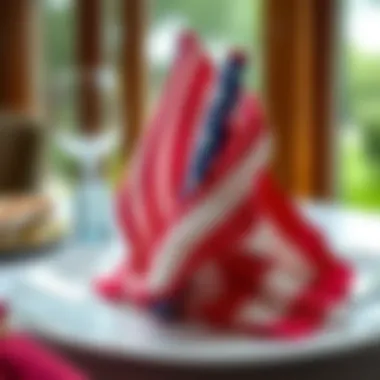
In the warm embrace of July, picnics and outdoor gatherings become a go-to for many families. The charm of a picnic is not just in the food but also in the setting and presentation—the act of dining al fresco brings a sense of relaxation and festivity. Here, cloth napkins can shine in their role.
Whether laid neatly on a blanket or used to wrap up sandwiches, cloth napkins add a touch of elegance to the casual atmosphere of a picnic. They can also be employed as practical tools to handle the inevitable spills that come with enjoying barbeque ribs or juicy watermelon slices. The tactile nature of cloth napkins enhances the sensory experience of the meal.
- Considerations for Napkin Use in Picnics:
- Color & Design: Choose patterns that reflect the theme, such as classic red, white, and blue stripes or intricate Americana motifs.
- Durability: Opt for heavier fabrics that can withstand outdoor conditions, like cotton or linen, preventing quick wear and tear.
- Portability: Select lightweight options that can easily be packed without taking much space.
In outdoor settings, making sure your cloth napkins are machine washable increases their usability, ensuring they remain fresh and clean for multiple gatherings.
Formal Dinner Settings
As the day transitions into evening, some may prefer to celebrate Independence Day with a more formal dinner. Creating a sophisticated table setting elevates the occasion and provides an opportunity for hosts to showcase their attention to detail. Elegant cloth napkins can enhance this atmosphere significantly.
The presentation of food starts with the table, and folded cloth napkins can offer a stylish flair that will impress guests.
- Styling Tips for Formal Settings:
- Folding Techniques: Invest time in mastering various napkin folds, such as the classic fan or the intricate rose fold; these styles can leave a lasting impression.
- Pairing with Tableware: Ensure that the color of the napkin complements the plates and glassware, creating a cohesive aesthetic that ties the entire dining experience together.
- Setting the Tone: Consider using napkin rings or decorative elements to hold the linens together, enhancing the formal aspect of your table setting.
In a formal context, cloth napkins can truly bring together the artistic presentation of a meal, reflecting the host's thoughtful approach to the occasion.
"The use of cloth napkins in any gathering, formal or informal, signifies a level of care that transforms a meal into an experience."
By taking the time to incorporate cloth napkins into both picnics and formal dinners, you not only honor the tradition of the 4th of July but also encourage a sense of belonging and celebration among your guests.
Care and Maintenance of Cloth Napkins
Caring for cloth napkins, especially those adorned for the 4th of July, is just as important as selecting the right ones for your festive table. Without proper maintenance, these beautiful pieces can lose their charm and functionality as they get stained or worn out. The utmost goal here is to preserve the integrity and vibrancy of your napkins, ensuring they remain a highlight on your dining table for many Independence Days to come.
Washing and Storing Guidelines
To keep your cloth napkins in prime condition, it’s crucial to adhere to established washing and storing guidelines. Here are some essential tips to consider:
- Pre-wash Inspection: Before tossing your napkins in the wash, inspect them for stains and sort them by color. This minimizes the risk of color bleeding.
- Temperature Settings: Wash them in cold or warm water, depending on the fabric type. Hot water can shrink or fade many materials.
- Detergent Choice: Use mild detergents to maintain the colors and fibers. Avoid bleach unless absolutely necessary, as it can weaken the fabric.
- Drying Method: Air drying is preferable, as it prevents shrinking and snagging. If you must tumble dry, use low heat and remove them promptly to avoid wrinkles.
- Storage: Fold your napkins neatly when not in use. Keep them in a cool, dry place to prevent mold and mildew, and consider using breathable storage bags to protect them from dust.
Following these guidelines not only extends the lifespan of your cloth napkins but also ensures they look crisp and clean for every gathering.
Handling Stains Effectively
Accidents happen, especially during lively 4th of July celebrations where BBQ sauces, drinks, and desserts can make a messy entrance. Here’s how to tackle stains effectively:
- Act Quickly: The sooner you address a stain, the easier it will be to remove. Blot (don’t rub!) the stain with a clean cloth to absorb excess liquid.
- Stain Solutions: For most stains, a simple mix of water and mild dish soap can work wonders. Rub gently from the outside toward the center of the stain to avoid spreading it.
- For Tough Stains: Sometimes, you might encounter stubborn spots like ketchup or red wine. In these cases, a mixture of white vinegar and water can help lift those tough stains.
- Testing First: Always test cleaning solutions on a hidden corner of the napkin first to ensure no discoloration occurs.
- Rinse and Repeat: After treating the stain, rinse the area thoroughly with cold water before washing it completely. This prevents residue build-up.
By adopting these effective stain-handling techniques, you can keep your napkins looking fresh and ready for every meal, enhancing the dining experience and embodying the essence of celebration.
Closure: The Lasting Impact of Cloth Napkins
As we reflect on the role of cloth napkins during 4th of July celebrations, it becomes clear that their significance transcends mere functionality. They represent a thoughtful blend of tradition, innovation, and sustainability that can enhance our dining experiences while maintaining a connection to America’s fabric of culture.
Elevating the Dining Experience
The presence of cloth napkins on any table instantly elevates the dining experience, particularly during festive occasions like the 4th of July. These napkins serve as both a practical accessory and a decorative element. When choosing the right colors and patterns—think vibrant reds, whites, and blues paired with star motifs or stripes—they set the mood for celebration.
With a well-dressed table, every meal transforms into a special occasion. The tactile quality of fabric adds sophistication that paper alternatives simply cannot match. Cloth napkins allow guests to enjoy their meals without concern, imparting a sense of luxury as they engage in conversation or partake in activities like barbecues. Furthermore, the act of folding these napkins into creative shapes can showcase the host's attention to detail and elevate the overall aesthetic.
Reflections on Tradition and Modernity
In today’s world where sustainability gains emphasis, cloth napkins resonate with the ideals of environmentally-conscious living. They hark back to periods when meals were accompanied by beautifully crafted textiles, yet they are also adaptable to modern trends. By incorporating eco-friendly materials or innovative designs, one can honor tradition while embracing contemporary practices.
This juxtaposition of tradition and modernity is an interesting dance. Cloth napkins celebrate our historical roots, reminding us of the essence of hospitality—all while encouraging innovative approaches through customization or DIY projects. Using personal touches like embroidery or fabric paint, one can make their napkins unique additions that reflect personal stories or family heritage, thus knitting together the past and present as families gather.
"A well-set table invites connection. With cloth napkins, we not only bring beauty but also mindfulness to our gatherings."
Ultimately, appreciating the cloth napkin’s role during the 4th of July celebrations means recognizing what they embody: a fusion of elegance, practicality, and a nod to sustainable practices. As we move forward, the decisions made today about how we incorporate these essential elements into our lives can resonate far beyond the dinner table, impacting our approach to both festivity and sustainability in every event.